 What Is PP Nonwoven Fabric?
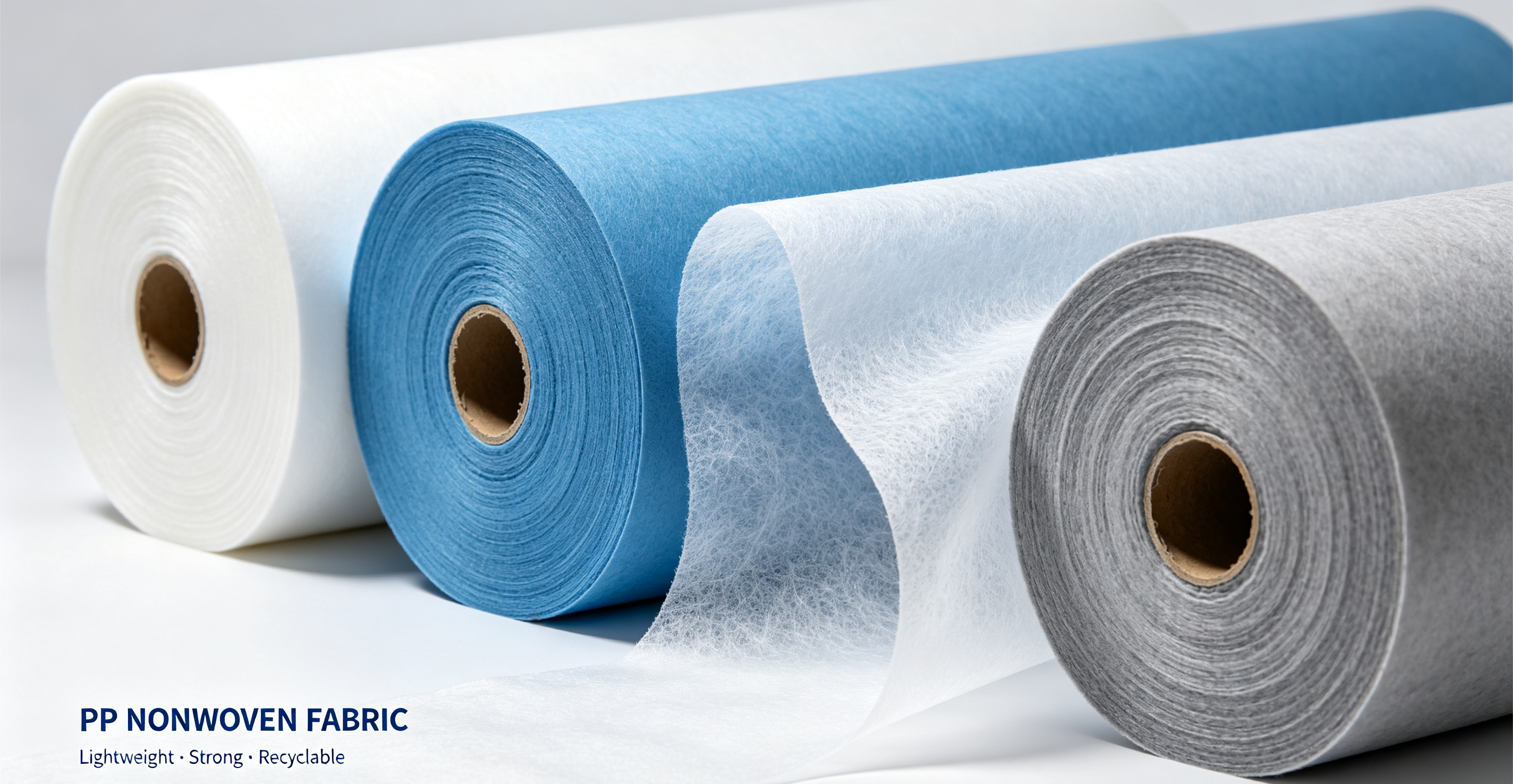
PP nonwoven fabric is a synthetic textile material made from pure polypropylene polymer particles. Through high-temperature melting, spinning, web-forming, and thermal consolidation processes, continuous fiber webs are formed and bonded into a stable fabric structure. Without traditional textile processing, it features a simpler production flow, lower energy consumption, and stable physical and chemical properties.
Available in diverse specifications ranging from 10GSM to 200GSM+, variable widths up to 320cm, and customizable colors and surface treatments, it can be perfectly tailored to meet personalized demands of different industries and scenarios.
Core Advantages of PP Nonwoven Fabric
The widespread popularity of PP nonwoven fabric stems from its excellent comprehensive properties that outperform most traditional fabrics and ordinary nonwoven materials. Its core strengths cover performance, cost, environmental protection, and practicability, fully meeting commercial and industrial application standards.
1. Lightweight Yet High Strength
PP nonwoven fabric boasts an outstanding strength-to-weight ratio. It is ultra-light in texture, reducing the overall weight of finished products and saving raw material costs per square meter. Meanwhile, it features excellent tensile strength and tear resistance, resisting deformation and damage during stretching, folding, and long-term use. This unique property makes it suitable for both lightweight disposable products and heavy-duty industrial scenarios.
2. Superior Moisture & Chemical Resistance
Pure polypropylene material is naturally water-repellent and non-absorbent, effectively blocking moisture and liquid penetration. Besides, it shows strong resistance to most acids, alkalis, and common industrial chemicals, maintaining stable performance in humid, corrosive, and harsh working environments. It will not rot, mildew, or deteriorate like natural fibers, greatly extending the service life of end products.
3. Breathable & Skin-Friendly
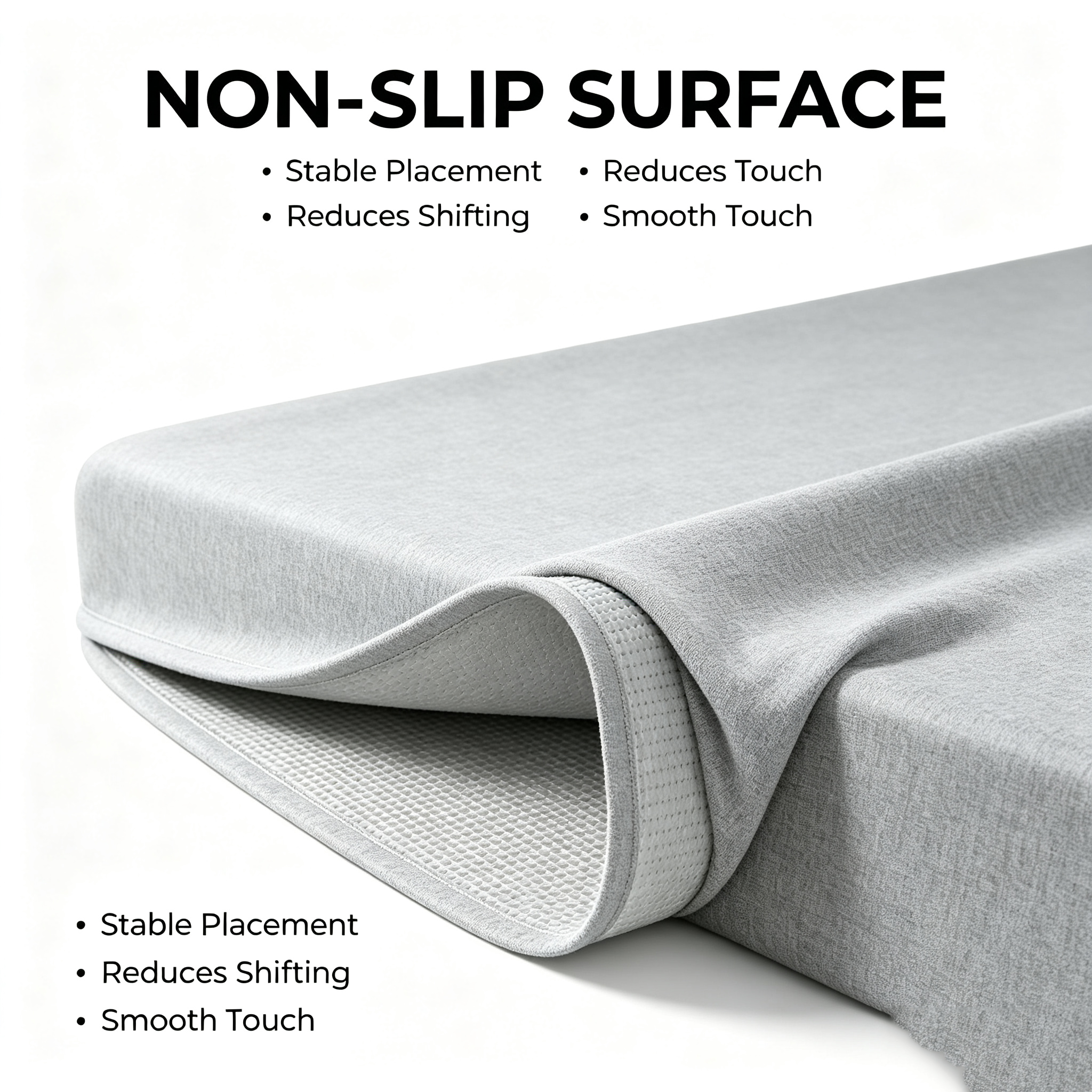
The porous web structure of PP nonwoven fabric ensures excellent air permeability, achieving a perfect balance between barrier performance and air circulation. After professional softening treatment, the fabric surface is smooth and soft, non-irritating to human skin, and fully compliant with hygiene and safety standards. It is widely recognized as a safe material for direct contact with human bodies.
4. Eco-Friendly & Recyclable
In the context of global sustainable development, PP nonwoven fabric stands out as an eco-friendly material. It is non-toxic, odorless, and free of harmful substances during production and use. Most importantly, it is fully recyclable and reusable, effectively reducing plastic waste and helping enterprises meet international environmental protection and carbon neutrality standards.
5. Cost-Effective & Customizable
Thanks to streamlined production processes and low material loss, PP nonwoven fabric has a competitive price advantage in high-volume applications. Meanwhile, it supports comprehensive customization including GSM density, fabric width, color, waterproof, antistatic, and antibacterial surface treatments, adapting to diverse personalized application requirements.
Main Applications of PP Nonwoven Fabric
With versatile performance, PP nonwoven fabric covers multiple core industries, becoming a core auxiliary material for various downstream products:
1. Medical & Hygiene Industry
It is the mainstream material for disposable medical supplies, including surgical masks, isolation gowns, medical caps, shoe covers, and hospital bed sheets. Its sterile, breathable, waterproof, and bacteria-isolating properties fully meet medical safety standards. It is also widely used in baby diapers, sanitary napkins, and wet wipes as a skin-contact layer material.
2. Packaging & Daily Products
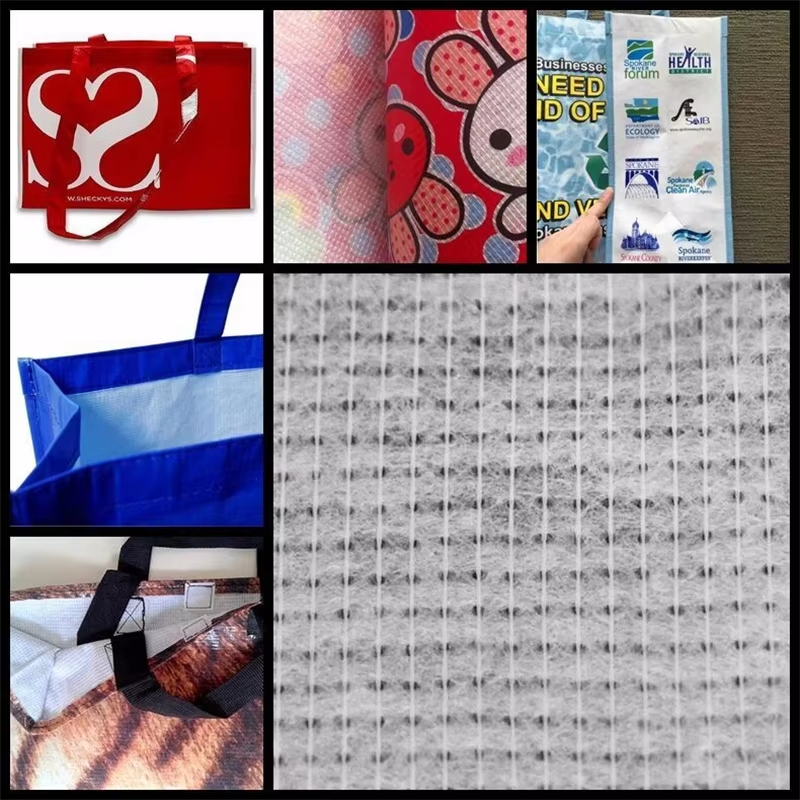
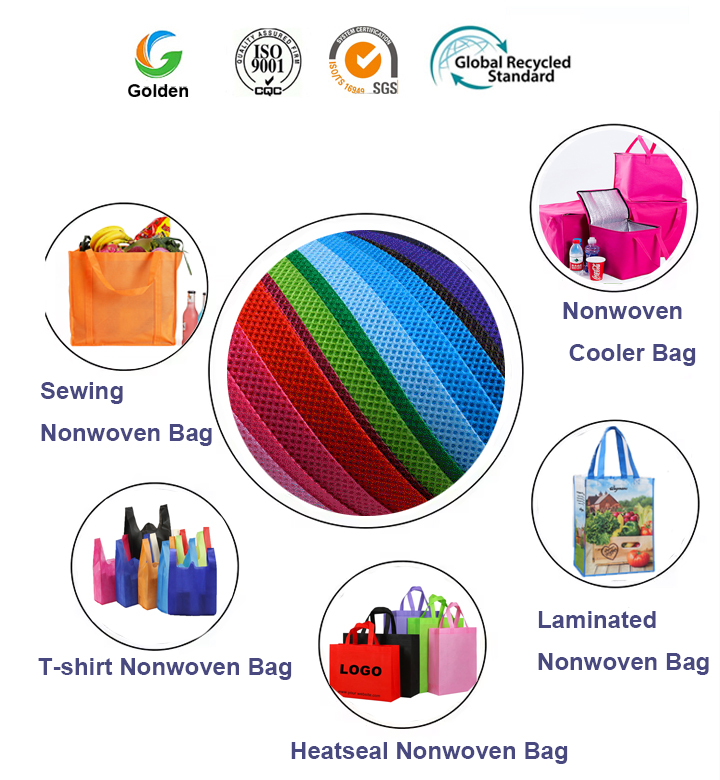
PP nonwoven fabric is the preferred material for eco-friendly nonwoven shopping bags, promotional bags, gift packaging, and storage bags. It is durable, reusable, and printable, replacing traditional plastic bags to help brands shape green and environmentally friendly images.
3. Agricultural & Horticultural Industry
As agricultural covering cloth, seedling breeding cloth, and weed-proof ground cloth, it has good air permeability, light transmission, and anti-aging properties. It can insulate heat, prevent weeds, and protect crops from extreme weather, effectively improving crop survival rate and yield.
4. Furniture & Home Textiles
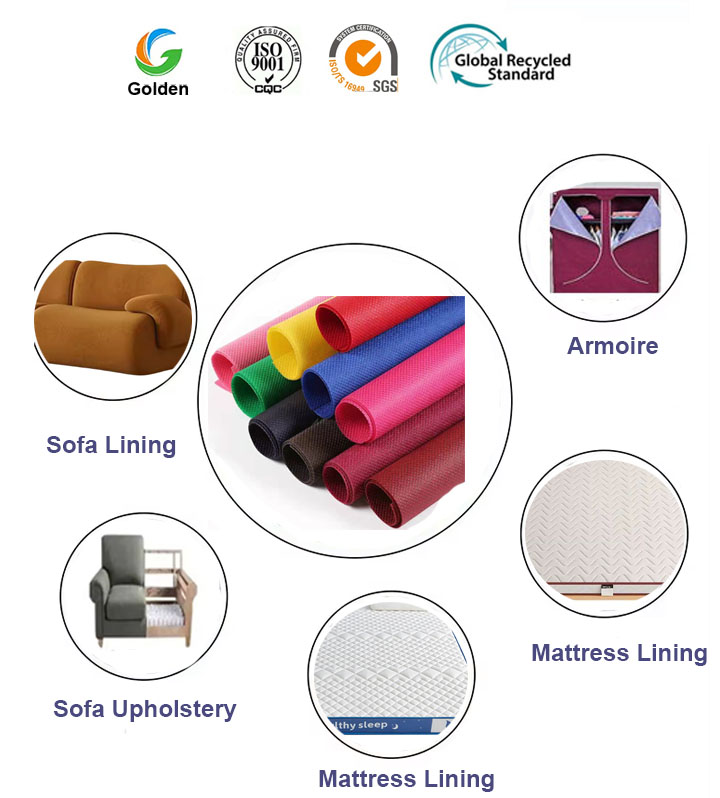
Widely used as sofa and mattress inner lining, bedding base fabric, and carpet backing cloth. It features good toughness, wear resistance, and breathability, improving product structural stability and service life while reducing overall production costs.
5. Industrial & Construction Fields
Applied in industrial filter cloth, geotextiles, building waterproof coiled materials, and wall insulation materials. Its chemical resistance, tensile resistance, and anti-corrosion properties ensure stable operation in complex industrial and construction environments.