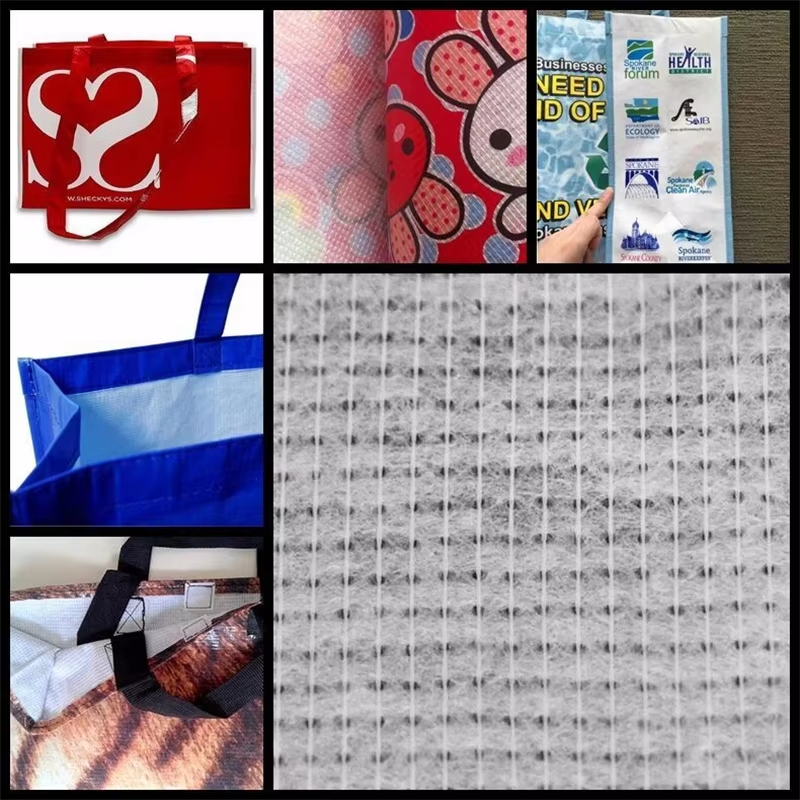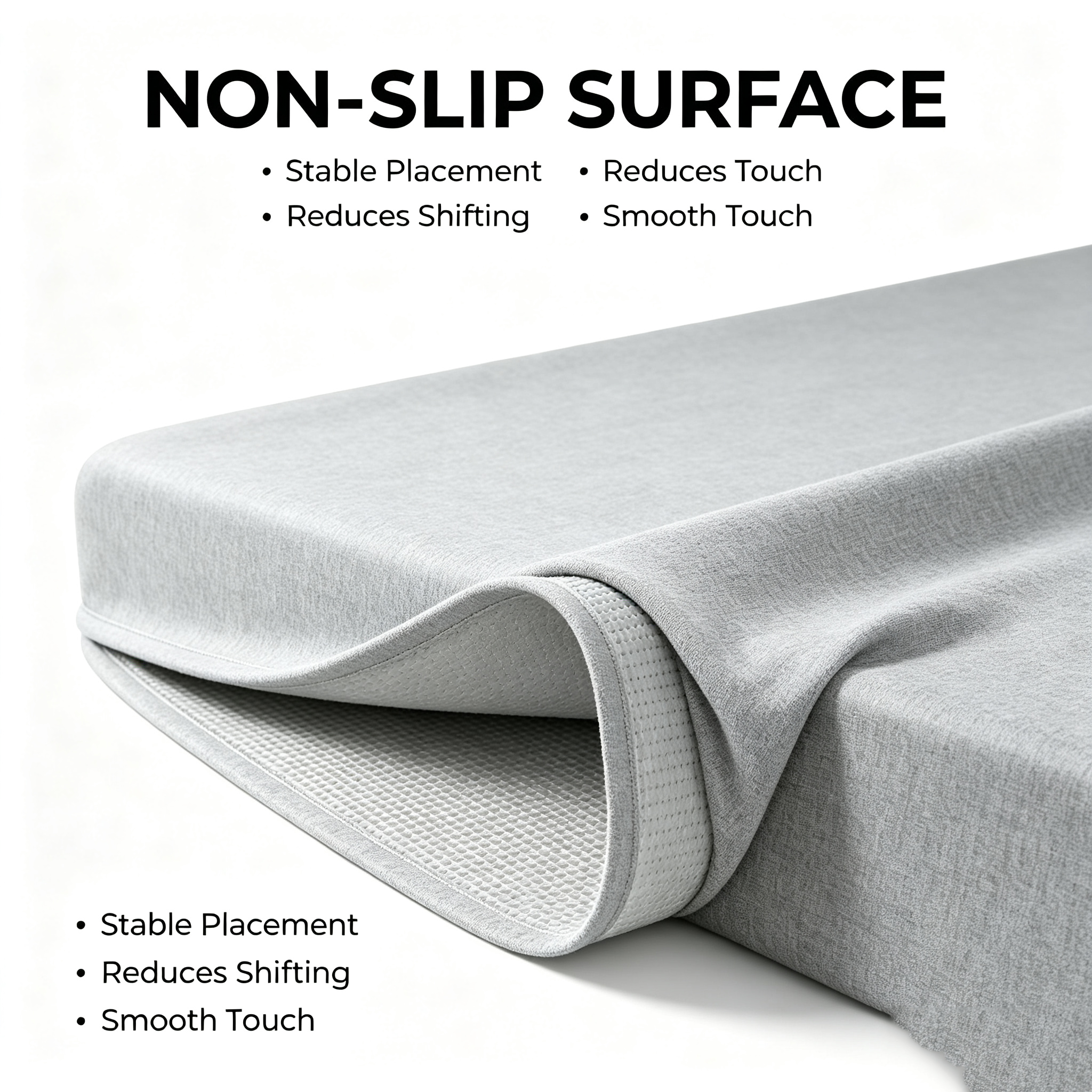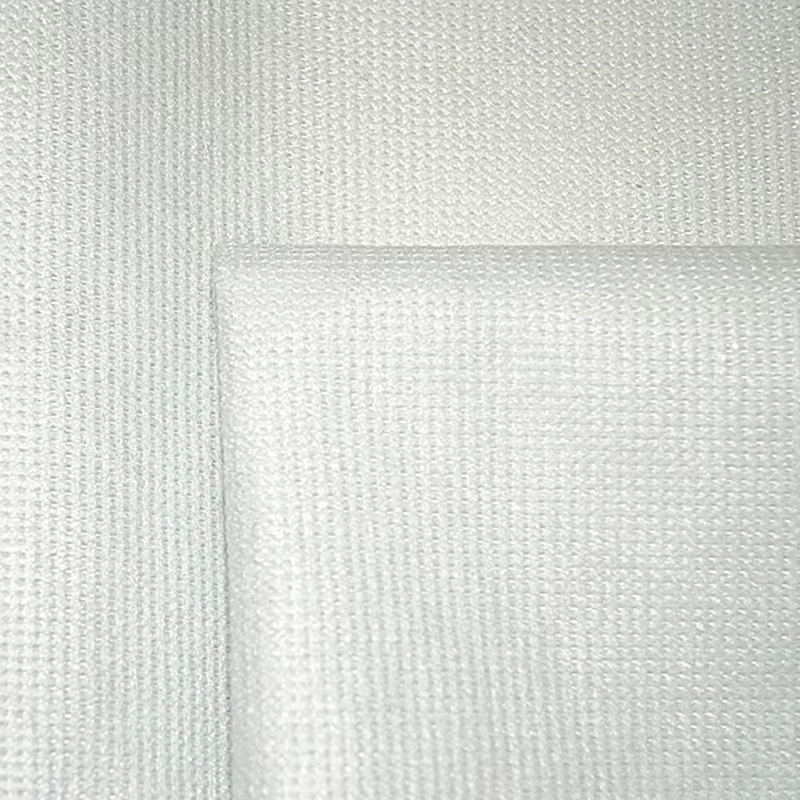
In the global nonwoven textile market, stitchbond nonwoven fabric stands out as a durable, cost-effective composite material trusted by manufacturers across dozens of industries. Unlike traditional woven cloth or regular needle-punched nonwovens, stitchbond fabric bonds fiber webs with stitching threads, balancing high tensile strength, breathability, and customizable thickness.
Whether you source materials for construction waterproof layers, shoe linings, industrial filtration, cable wrapping, or disposable packaging, stitchbond nonwoven delivers stable performance that many alternative fabrics cannot match. This guide breaks down its production, core advantages, common specifications, and mainstream application scenarios to help buyers select the right stitchbond material for their business.
1. How Stitchbond Nonwoven Fabric Is Manufactured
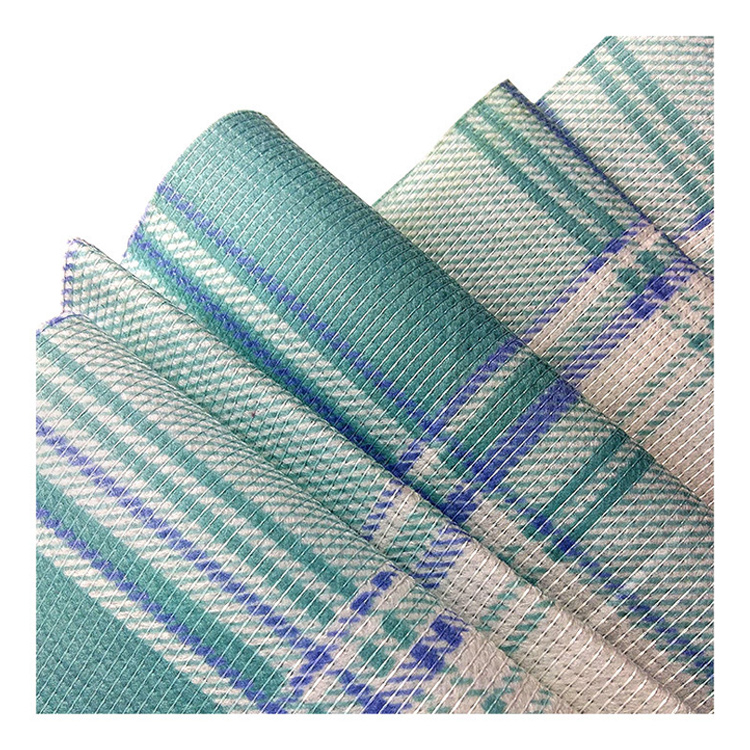
Stitchbond production avoids chemical adhesives and thermal bonding, relying entirely on mechanical stitching to lock loose fiber layers together:
- Raw fiber preparation: PP, PET, RPET, viscose, or polyester fibers are carded into uniform fiber webs.
- Web layering: Multiple fiber mats are stacked to adjust fabric weight, thickness, and density.
- Stitch reinforcement: Special warp-knitting machines run continuous filament threads through the fiber web, stitching layers firmly without glue.
- Post-treatment: Optional finishing processes include waterproof coating, anti-static treatment, flame retardant, or anti-moisture lamination.
The glue-free production makes stitchbond eco-friendly, low odor, and resistant to delamination even under long-term tension.
2. Core Advantages of Stitchbond Nonwoven Fabric
2.1 Superior Tear & Tensile Strength
Stitching threads act as reinforcing ribs. Compared to hot-rolled nonwovens, stitchbond fabric has far higher longitudinal and transverse tensile strength, not easy to crack during stretching or installation.
2.2 Excellent Air & Water Vapor Permeability
No dense melted bonding points block pores. The porous fiber structure keeps the material breathable, ideal for filtration and moisture-wicking lining materials.
2.3 Customizable Weight & Structure
Manufacturers produce stitchbond from 80gsm to 800gsm. You can adjust fiber ratios, stitch density, and layers to meet lightweight or heavy-duty industrial demands.
2.4 Eco-Friendly & Recyclable Options
RPET stitchbond fabric made from recycled plastic bottles is widely available, supporting brands’ sustainable supply chain goals. No chemical binders reduce harmful VOC emissions.
2.5 Low Cost & Long Service Life
Simplified production cuts manufacturing costs. It resists aging, mold, and moderate abrasion, extending service cycles for outdoor and buried applications.
2.6 Flexible Post-Processing Compatibility
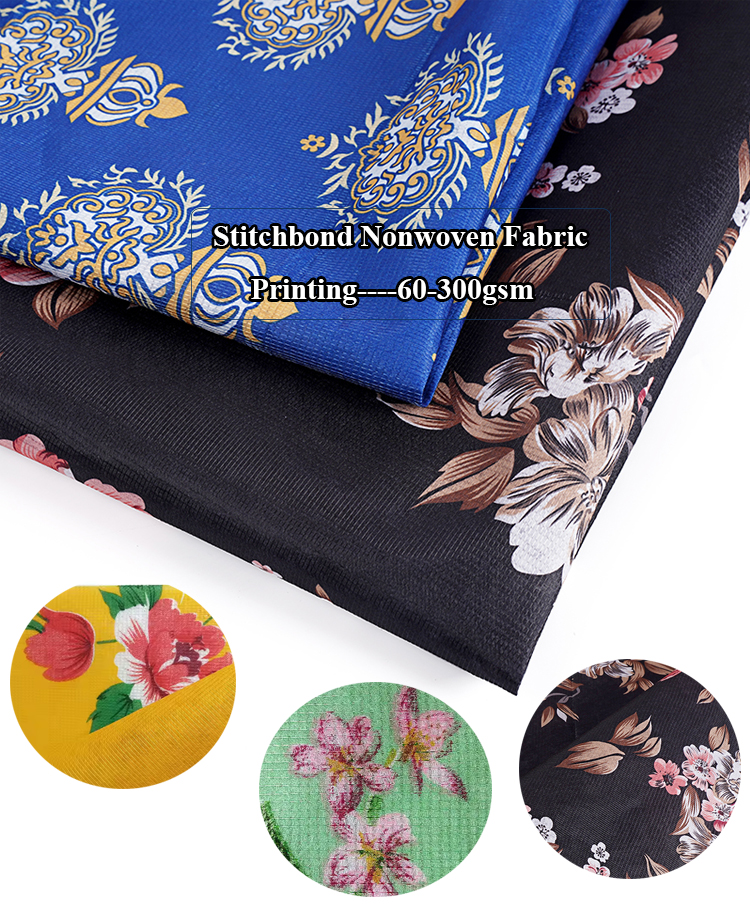
It accepts lamination, PE coating, PU waterproof film printing, and surface coating without damaging the base fiber structure.
3. Main Industrial Applications of Stitchbond Nonwoven Fabric
3.1 Construction & Waterproofing
As roof underlayment, house wrap, and foundation separation layer: its high strength prevents breakage during construction, while breathability avoids wall blistering from trapped moisture.
3.2 Footwear & Leather Composite
Used as shoe interlining, backing for artificial leather, and insole substrate. It adds stiffness without sacrificing softness, improving shoe shape retention.
3.3 Industrial Filtration
Medium and heavy-weight stitchbond works for liquid filtration, dust removal bags, and air purification media. Uniform pores stabilize filtration efficiency.
3.4 Cable & Wire Wrapping
Insulating and wrapping layer for power cables; tensile resistance protects internal wires during bending and burial.
3.5 Automotive Interior
Car carpet backing, trunk lining, sound-absorbing padding; sound insulation and anti-tear performance reduce vehicle noise.
3.6 Packaging & Agriculture
Heavy-duty wrapping fabric, plant root control cloth, greenhouse ground cover, and reusable protective packaging for metal parts.
3.7 Medical & Hygiene (Special Treated Grades)
Anti-bacterial stitchbond for disposable protective liners, medical mattress covers, and absorbent underlay materials.
4. Key Specifications Buyers Need to Confirm Before Ordering
When sourcing stitchbond nonwoven fabric from factories, confirm these critical parameters:
- Base fiber: PP / Virgin PET / RPET recycled polyester / Viscose
- Weight range: 80–800 gsm
- Width customization: 1m–3.2m standard roll width
- Stitch thread material: Polyester filament
- Functional finishing: Waterproof, flame retardant, anti-static, anti-UV, anti-mold
- Color: White, black, gray, customized pigment dyeing
- Packing: Roll packing with plastic film, pallet shipping for bulk orders