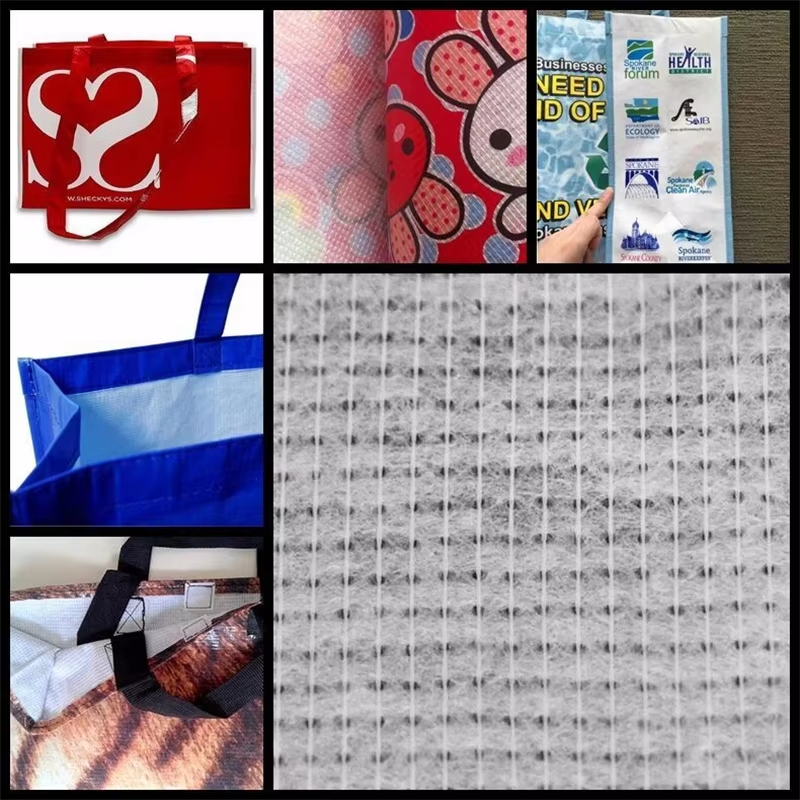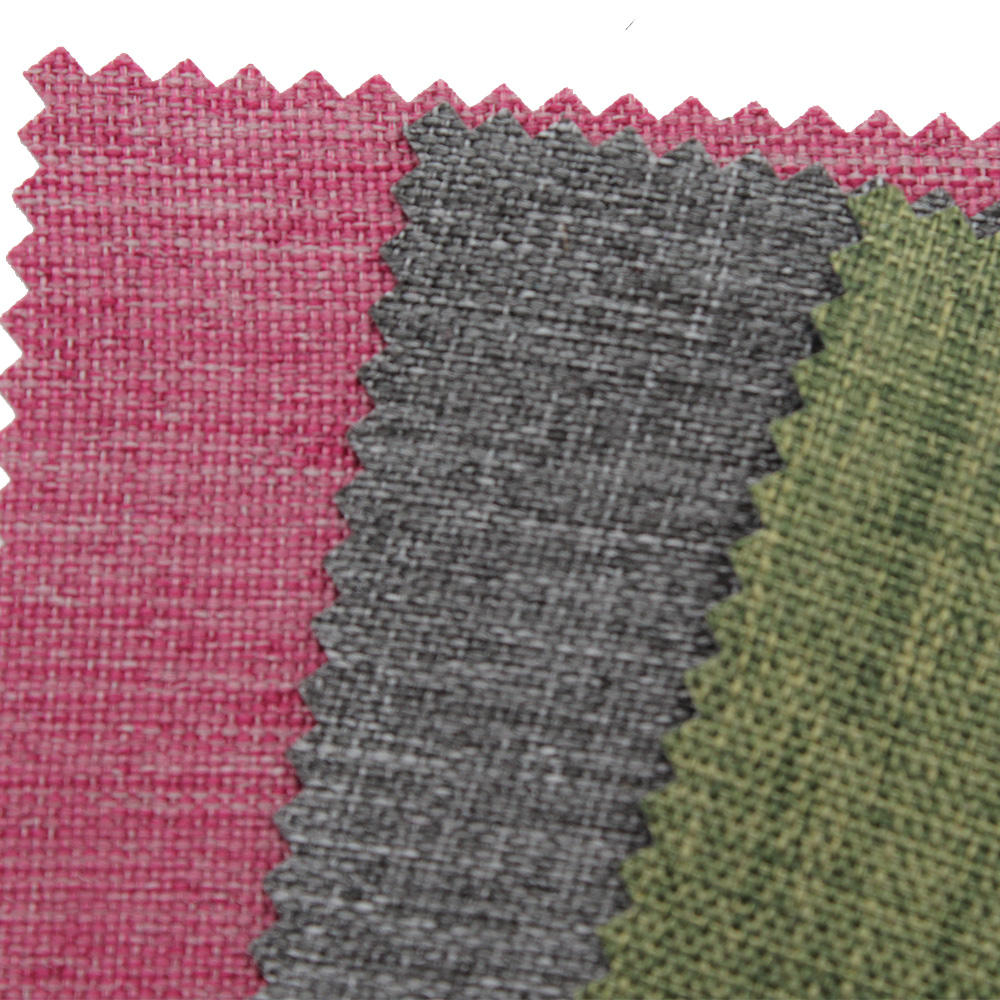
When it comes to choosing fabric that balances exceptional durability, practical functionality, and cost-effectiveness for outdoor gear, daily accessories, and industrial products, Oxford fabric stands out as the top choice worldwide. Widely recognized and adopted across global textile industries, this classic woven fabric has become a staple material for manufacturers, retailers, and DIY enthusiasts thanks to its unique structural design and customizable performance. In this guide, we will break down everything you need to know about Oxford fabric, including its core features, common types, key applications, and why it dominates the modern fabric market.
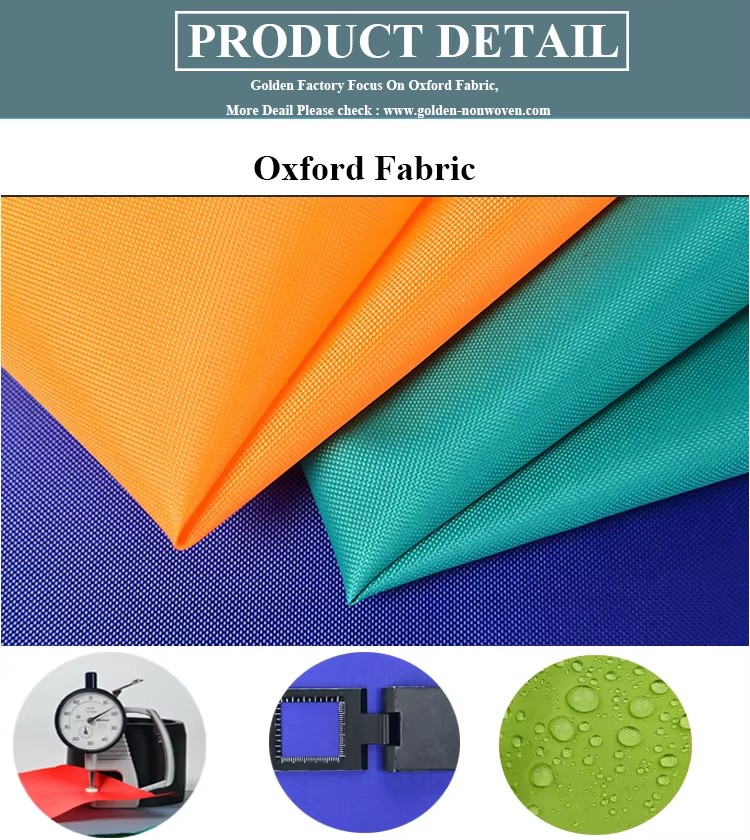
What Exactly Is Oxford Fabric?
Oxford fabric (also known as Oxford cloth) is a specialized woven material defined by its unique basket weave and warp-float structure, originating in the 19th century in the UK. Unlike ordinary single-weave fabrics, its tight, layered weaving structure delivers a perfect balance of sturdiness and flexibility . Importantly, Oxford fabric is not limited to a single fiber composition. It can be crafted from 100% polyester, nylon, cotton, or polyester-cotton blends, with polyester Oxford fabric being the most popular for commercial and industrial use due to its outstanding practicality .
With optional functional coatings like PU, PVC, and TPU, standard Oxford fabric can be upgraded with waterproof, windproof, anti-abrasion, and anti-static properties, making it adaptable to diverse harsh environments .
Core Advantages of Oxford Fabric
The global popularity of Oxford fabric stems from its unbeatable comprehensive performance, solving the common pain points of traditional fabrics such as easy wear, poor waterproofness, and low durability. Here are its key strengths:
1. Superior Durability & Abrasion Resistance
The dense basket weave structure greatly enhances the fabric’s tensile strength and tear resistance. Compared with ordinary cotton and plain weave fabrics, Oxford fabric is far less prone to fraying, fading, or deformation after long-term use . High-denier Oxford fabric can withstand frequent friction and pulling, ideal for high-wear daily and outdoor products.
2. Excellent Waterproof & Weather Resistance
With professional PU or TPU back coating, Oxford fabric achieves excellent water pressure resistance and rainproof performance. It effectively blocks rain and moisture while maintaining slight air permeability, avoiding the stuffy feeling of fully sealed waterproof fabrics . It can easily cope with rainy, windy, and humid outdoor conditions.
3. Lightweight & Flexible
Despite its robust strength, Oxford fabric remains lightweight and flexible. It can be freely folded and stretched without creasing, easy to store and carry. This feature makes it perfect for portable products like backpacks and outdoor tents .
4. High Cost-Effectiveness & Customizability
Oxford fabric supports diversified customization in denier, gram weight, color, and functional treatment. It covers low-cost lightweight versions and high-strength heavy-duty specifications, meeting the needs of mass consumer goods and high-end professional products . It also supports printing and logo customization, suitable for personalized product production.
Common Oxford Fabric Types (Denier Classification)
Denier (D) is the core standard to judge Oxford fabric thickness and strength. Different denier specifications correspond to different application scenarios:
-
210D/300D Oxford Fabric: Lightweight and soft, with basic waterproof performance. Mainly used for lightweight bags, clothing linings, shoe materials, and small daily accessories .
-
420D/600D Oxford Fabric: The most versatile mainstream specification. Balances thickness, wear resistance and flexibility, widely used in backpacks, luggage, outdoor tents, car covers, and casual outdoor gear . 600D is known as the “workhorse” of Oxford fabrics for its ultra-high practicality.
-
900D–1680D Heavy-Duty Oxford Fabric: Extra thick and tough, with super tear resistance and load-bearing capacity. Suitable for industrial protective covers, heavy-duty outdoor equipment, military supplies, and large camping gear .
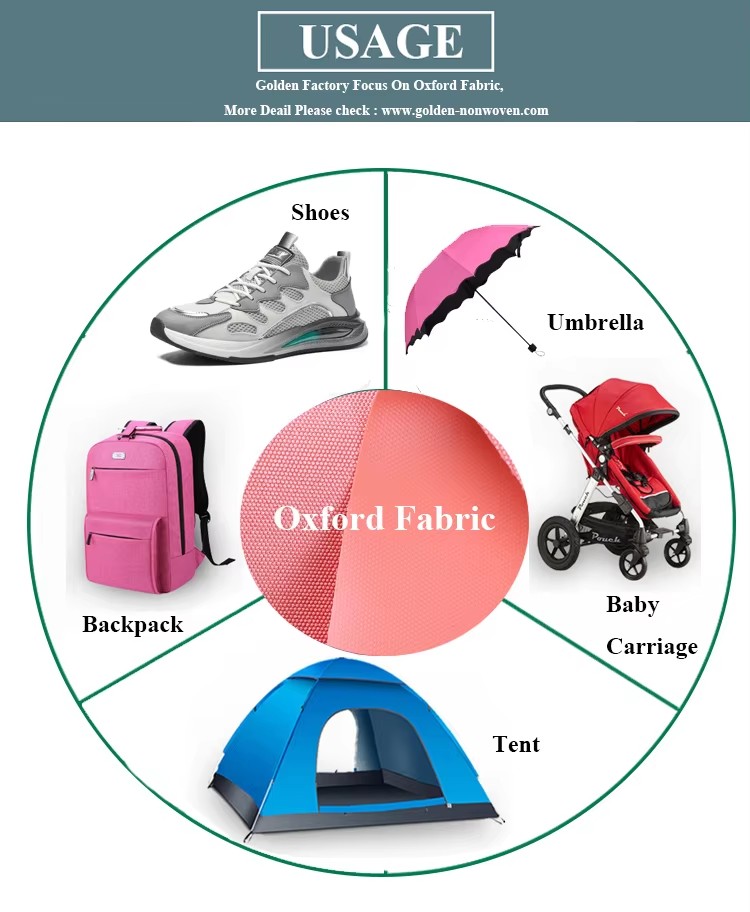
Wide Applications of Oxford Fabric
Thanks to its customizable performance, Oxford fabric covers civilian, commercial, and industrial fields, becoming an all-purpose fabric material:
Outdoor & Camping Gear
Waterproof Oxford fabric is the preferred material for tents, camping mats, outdoor awning, hiking backpacks, and travel storage bags. It resists wind, rain, and sunlight aging, ensuring long-term outdoor service life .
Daily Accessories & Luggage
From student backpacks, handbags, and laptop bags to trolley luggage, Oxford fabric replaces traditional canvas with lighter weight and better waterproofness, becoming the mainstream luggage fabric .
Protective Covers & Industrial Supplies
High-density coated Oxford fabric is widely used for car covers, motorcycle covers, furniture dust covers, and mechanical equipment protective covers, providing all-weather protection against dust, rain, and sun exposure .
Garment & Home Textiles
Cotton and blended Oxford fabrics are soft and breathable, commonly used for casual shirts, jackets, workwear, and home decorative fabrics, combining fashion and durability .
Why Choose Our Oxford Fabric?
As a professional Oxford fabric supplier, we focus on manufacturing high-quality, customizable textile materials for global clients. Our Oxford fabrics have the following exclusive advantages:
-
Full specifications: Complete denier range from 210D to 1680D, multiple gram weights and color options
-
Premium functional treatment: Eco-friendly PU/TPU/PVC coating, compliant with international environmental standards
-
Strict quality control: All fabrics pass abrasion resistance, waterproof pressure, and anti-static tests
-
Custom service: Support personalized coating, printing, width, and functional customization
-
Bulk supply & fast delivery: Stable inventory, competitive factory direct price