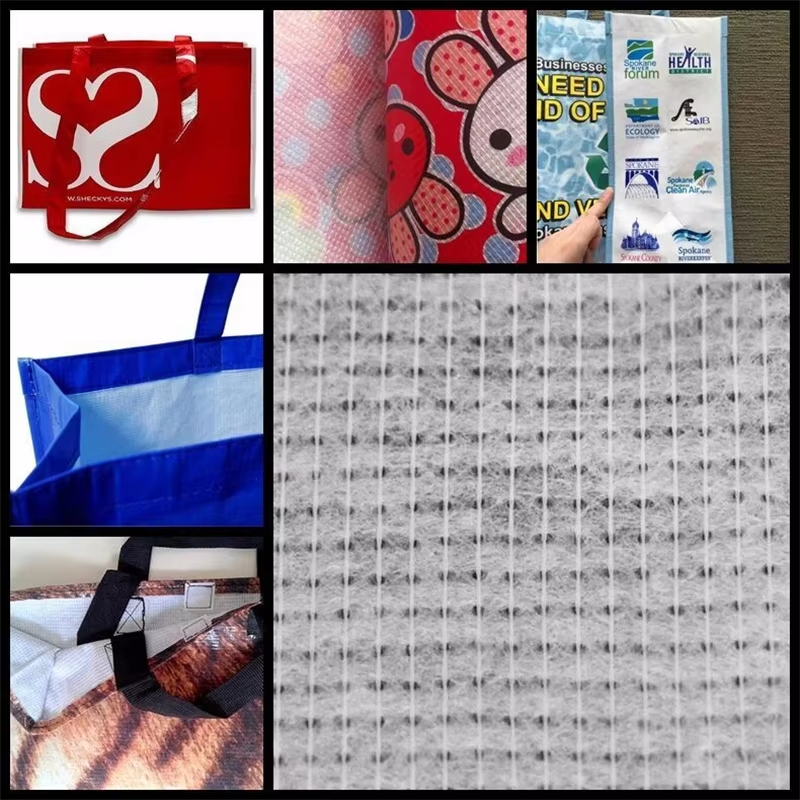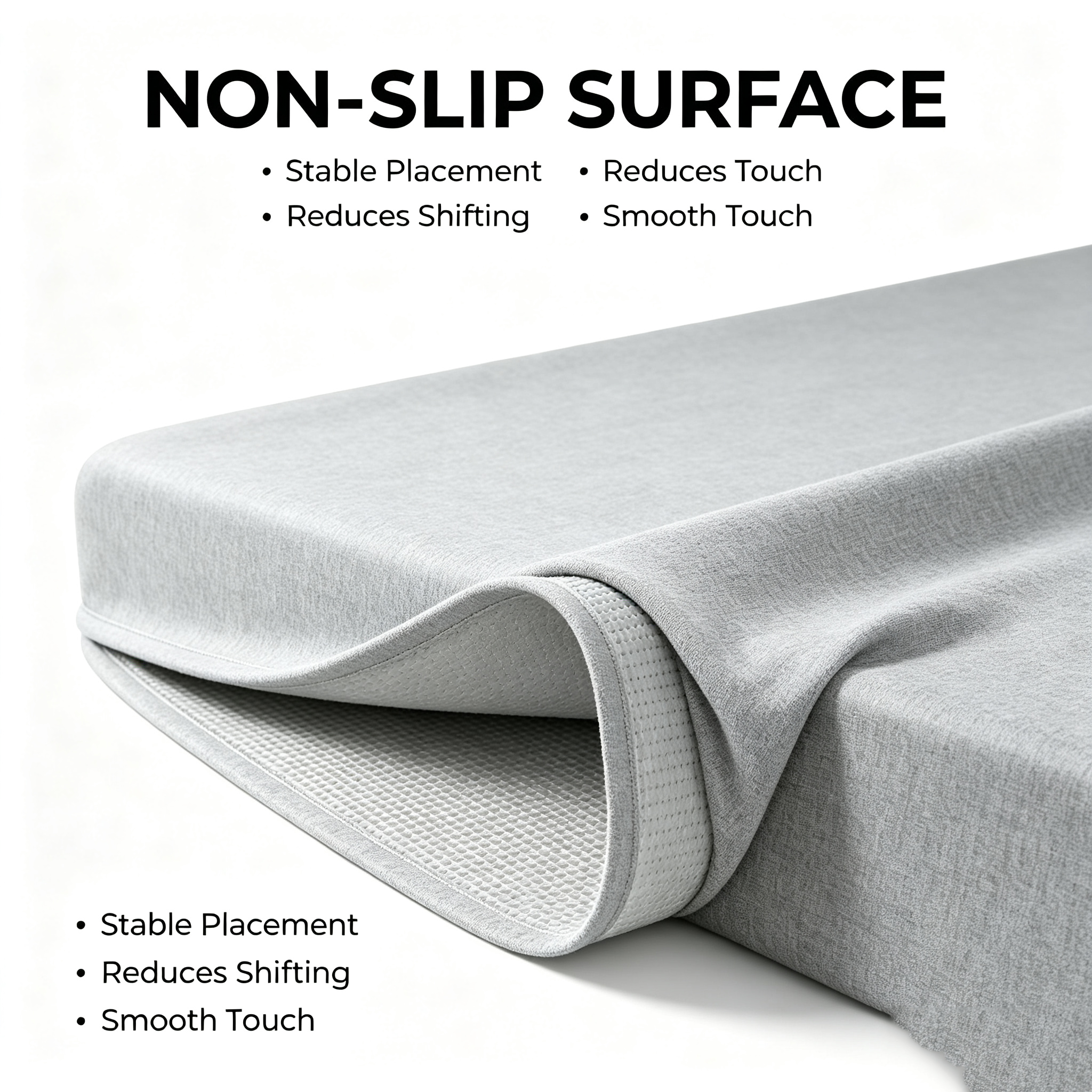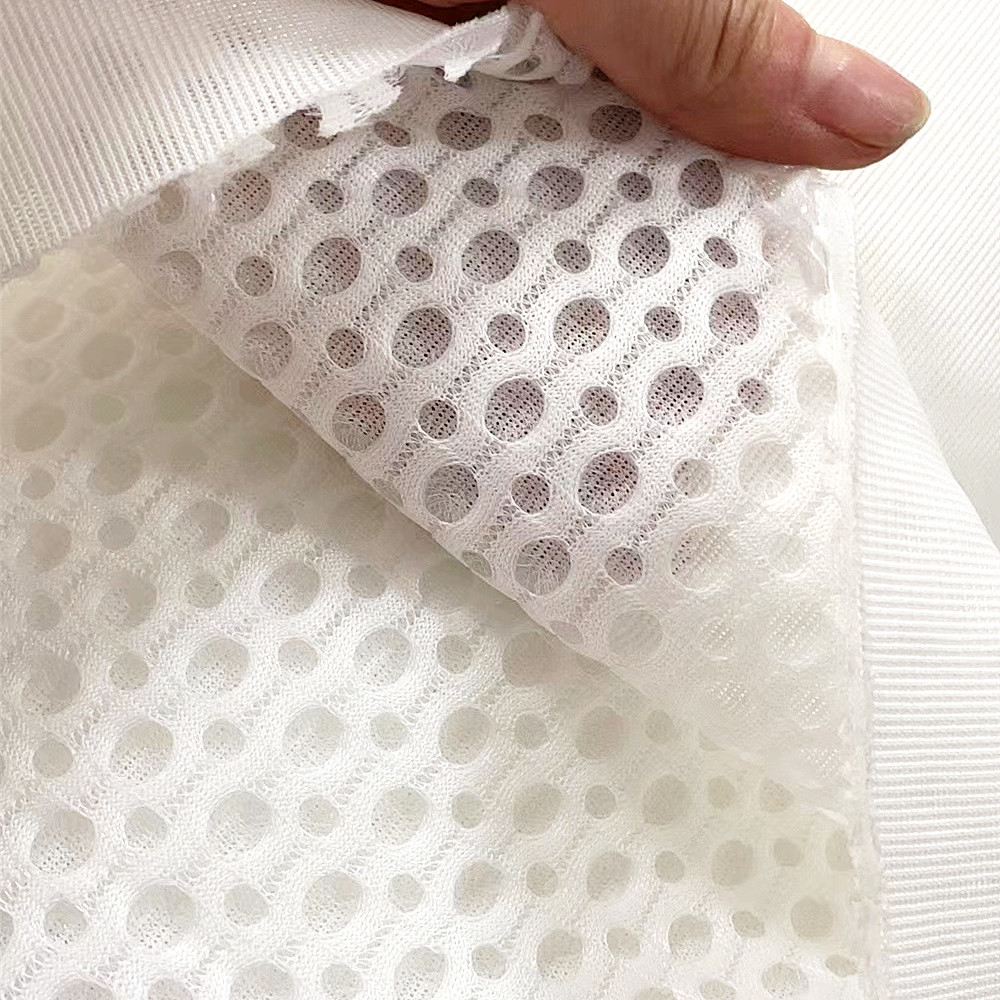
Mesh fabric is one of the most practical and widely used textiles in modern design, manufacturing, and daily life. Characterized by its open, grid‑like structure with evenly spaced holes, mesh balances lightweight comfort, durability, and exceptional airflow. Whether you’re designing sportswear, building industrial components, crafting home decor, or engineering protective gear, mesh fabric delivers consistent performance across countless applications.
In this guide, we break down what mesh fabric is, how it’s made, key types, core benefits, top use cases, and pro care tips—perfect for designers, makers, brands, and buyers building a professional site with Google Sites.
What Is Mesh Fabric?
Mesh fabric is a woven or knitted textile defined by its open‑pore structure. These tiny, consistent gaps allow air, moisture, and light to pass through while maintaining structural strength. Unlike sheer fabrics (which use fine, tight yarns), mesh achieves breathability through intentional open spaces.
Most mesh today uses synthetic fibers like polyester or nylon for durability, stretch, and cost efficiency. Natural fibers such as cotton are also used for softer, eco‑friendly alternatives.
Key Benefits of Mesh Fabric
- Unmatched Breathability: Open structure boosts airflow and reduces heat buildup—ideal for active and warm environments.
- Lightweight & Flexible: Feels light on the body or in products without sacrificing toughness.
- Strong & Durable: Resists tearing, stretching, and daily wear; high strength‑to‑weight ratio.
- Versatile Customization: Adjustable hole size, thickness, stretch, and coating (waterproof, UV‑block, flame‑retardant).
- Easy Care: Most mesh is machine washable, quick‑drying, and low‑maintenance.
Common Types of Mesh Fabric
1. Athletic/Sports Mesh
Mid‑weight polyester knit; used in jerseys, shorts, bags, and performance wear.
2. Power Mesh
Stretchy, supportive; ideal for shapewear, lingerie, medical garments, and active bases.
3. Pinhole Mesh
Tiny, discreet holes; looks solid but breathes—great for polos, uniforms, and professional apparel.
4. Industrial Mesh
Heavy‑duty; used for filtration, safety barriers, conveyor belts, agriculture, and construction.
5. Decorative Mesh
Colorful, flexible; used for crafts, wreaths, event decor, curtains, and retail displays.
 Top Applications of Mesh Fabric
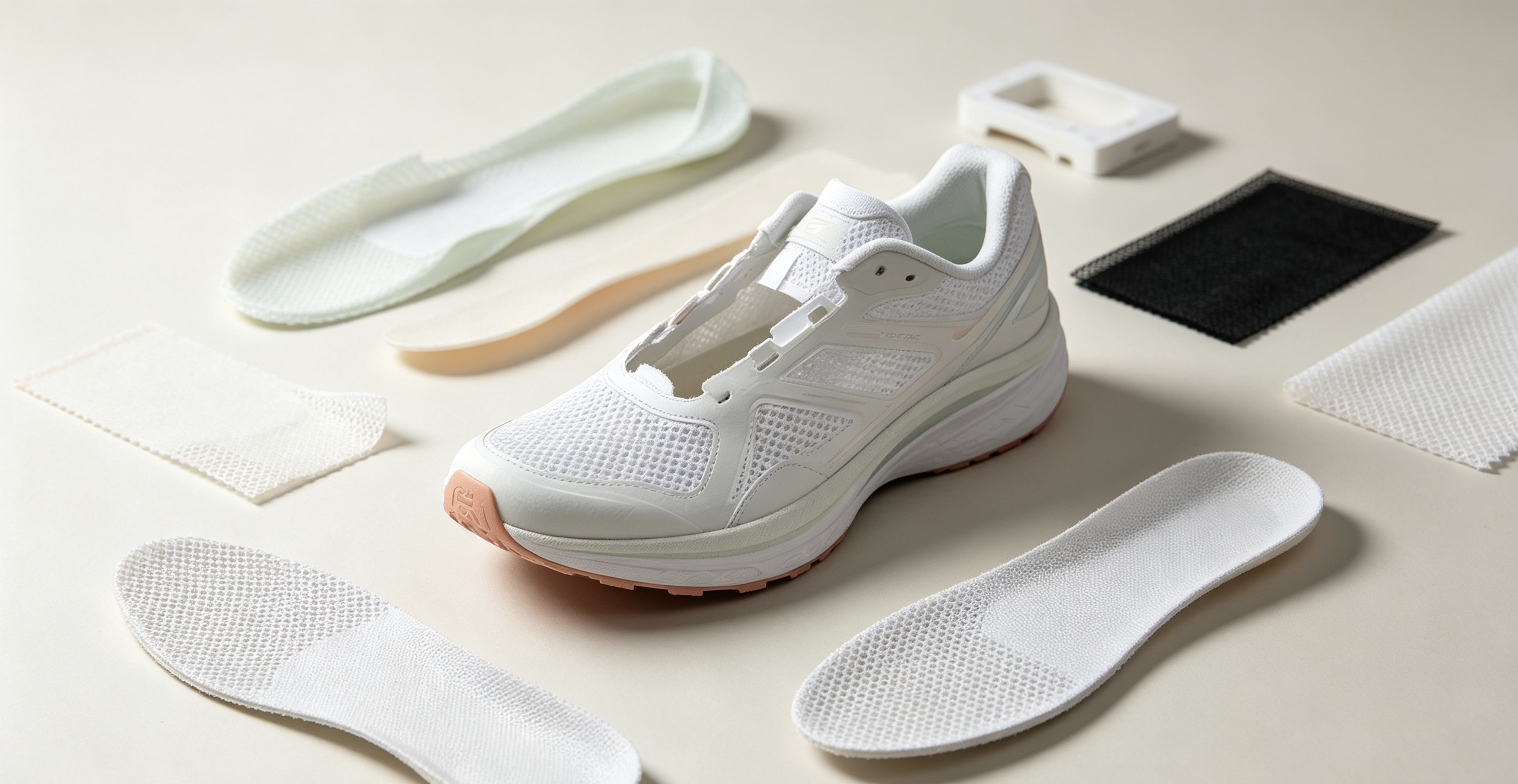
- Apparel: Sportswear, athleisure, footwear, linings, shapewear, uniforms.
- Outdoor & Gear: Backpacks, tents, hat linings, camping equipment, pet carriers.
- Industrial & Safety: Filtration screens, protective netting, safety vests, automotive parts.
- Home & Lifestyle: Curtains, cushion covers, laundry bags, organizers, decorative accents.
- Medical & Healthcare: Wound care, support braces, disposable garments, breathable equipment covers.
Pro Tips for Using & Caring for Mesh Fabric
- Sewing: Use zigzag stitches for stretch; avoid sharp pins that snag holes.
- Washing: Machine wash cold on gentle cycle; air‑dry or low heat to prevent melting or warping.
- Cutting: Use rotary cutters for clean edges; minimize fraying with overlock stitches.
- Storage: Keep away from high heat and sharp objects to preserve shape and holes.
Why Mesh Fabric Belongs in Your Next Project
Mesh isn’t just a “net‑like” material—it’s a high‑performance solution that upgrades comfort, functionality, and durability. From fashion to industry, its adaptability makes it a staple for creators and brands worldwide.
If you’re building products, collections, or content for Google Sites, mesh fabric offers a modern, user‑friendly story that resonates with practical, design‑savvy audiences.
Final Thoughts
Mesh fabric combines simplicity and performance like few other textiles. Its open structure, versatility, and long‑lasting quality explain why it remains essential across industries. Whether you’re sourcing materials, designing a line, or educating customers, understanding mesh helps you make smarter choices and create better experiences.