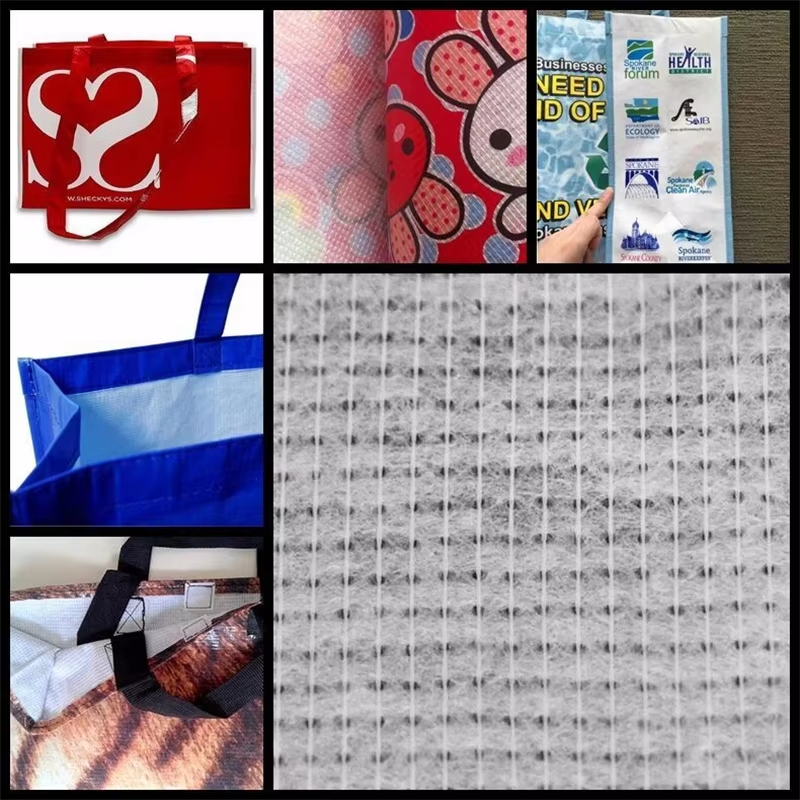
In an era of extreme weather patterns and heightened environmental awareness, finding sustainable yet high-performance materials is paramount. Enter RPET (Recycled Polyethylene Terephthalate)—a material transforming the waterproofing industry by offering durable protection while championing the principles of the circular economy. This blog explores how recycled plastic is building the next generation of waterproof barriers.
RPET: Rethinking the Waterproofing Layer
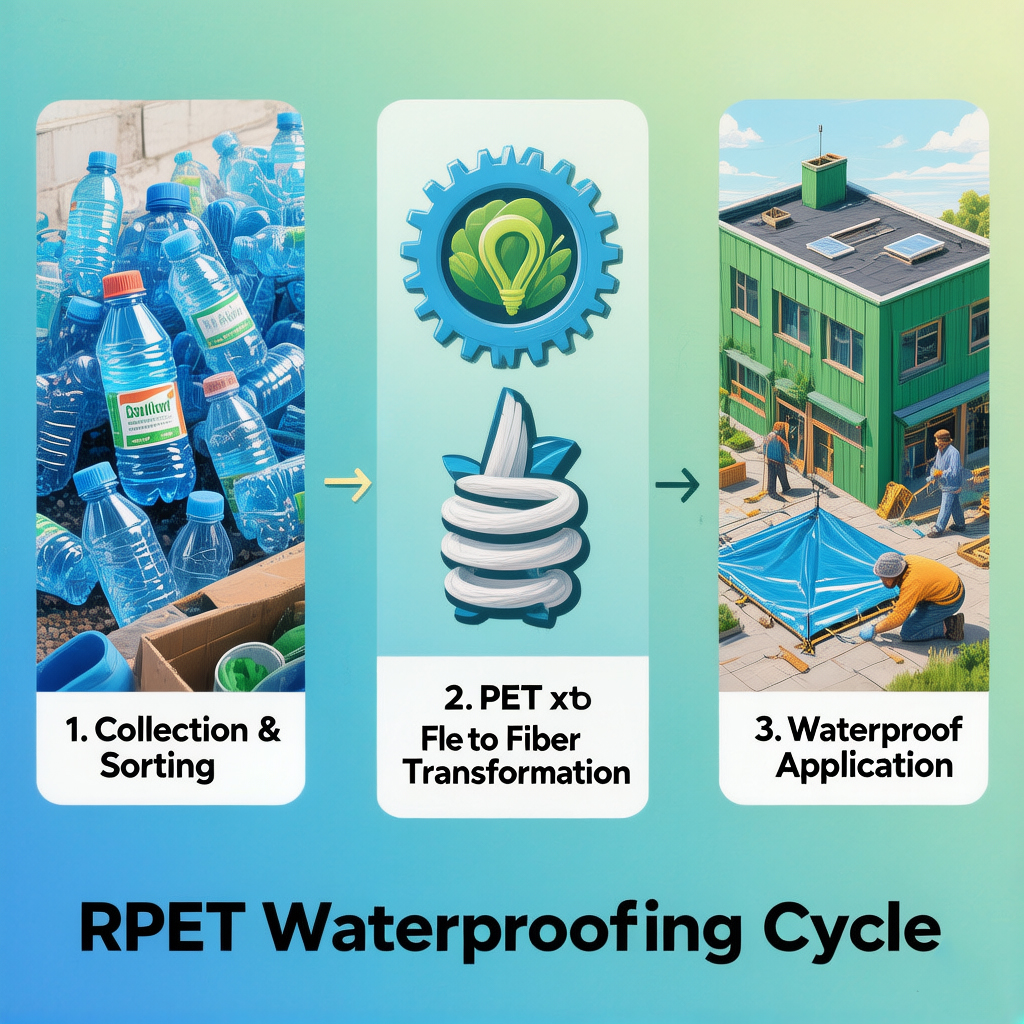
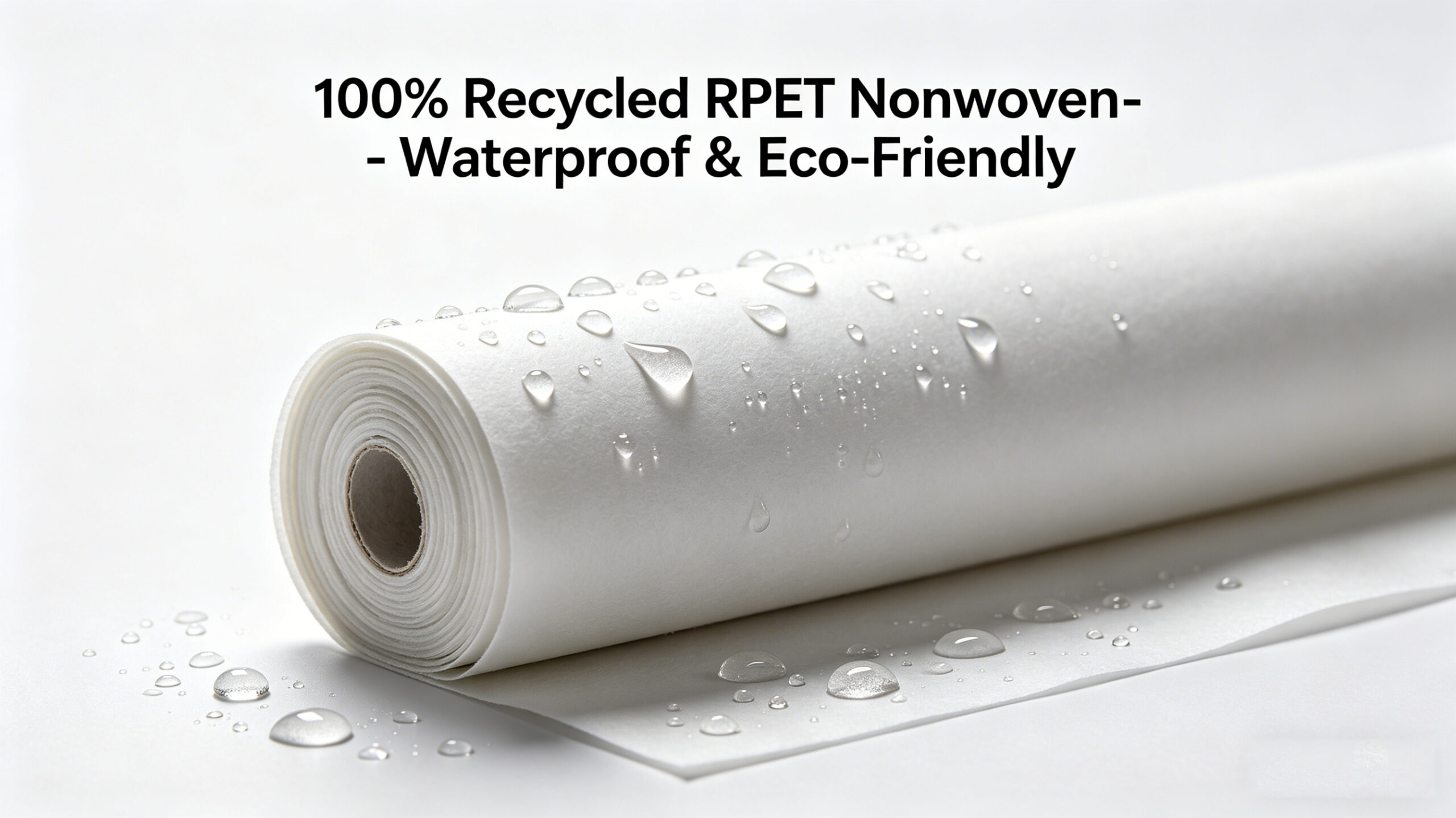
RPET for waterproofing typically refers to fabrics, films, or membranes made from recycled polyester fibers. These are derived from post-consumer PET plastic waste, such as beverage bottles. Through advanced manufacturing processes, this waste is converted into high-strength, impermeable sheets ideal for creating water-resistant barriers.
Unlike traditional bitumen or virgin plastic-based solutions, RPET waterproofing products are designed with a lifecycle that begins with waste diversion, offering a powerful sustainability story without sacrificing performance.
The Technical Advantages of RPET Waterproofing Membranes
1. Inherent Hydrophobic Properties
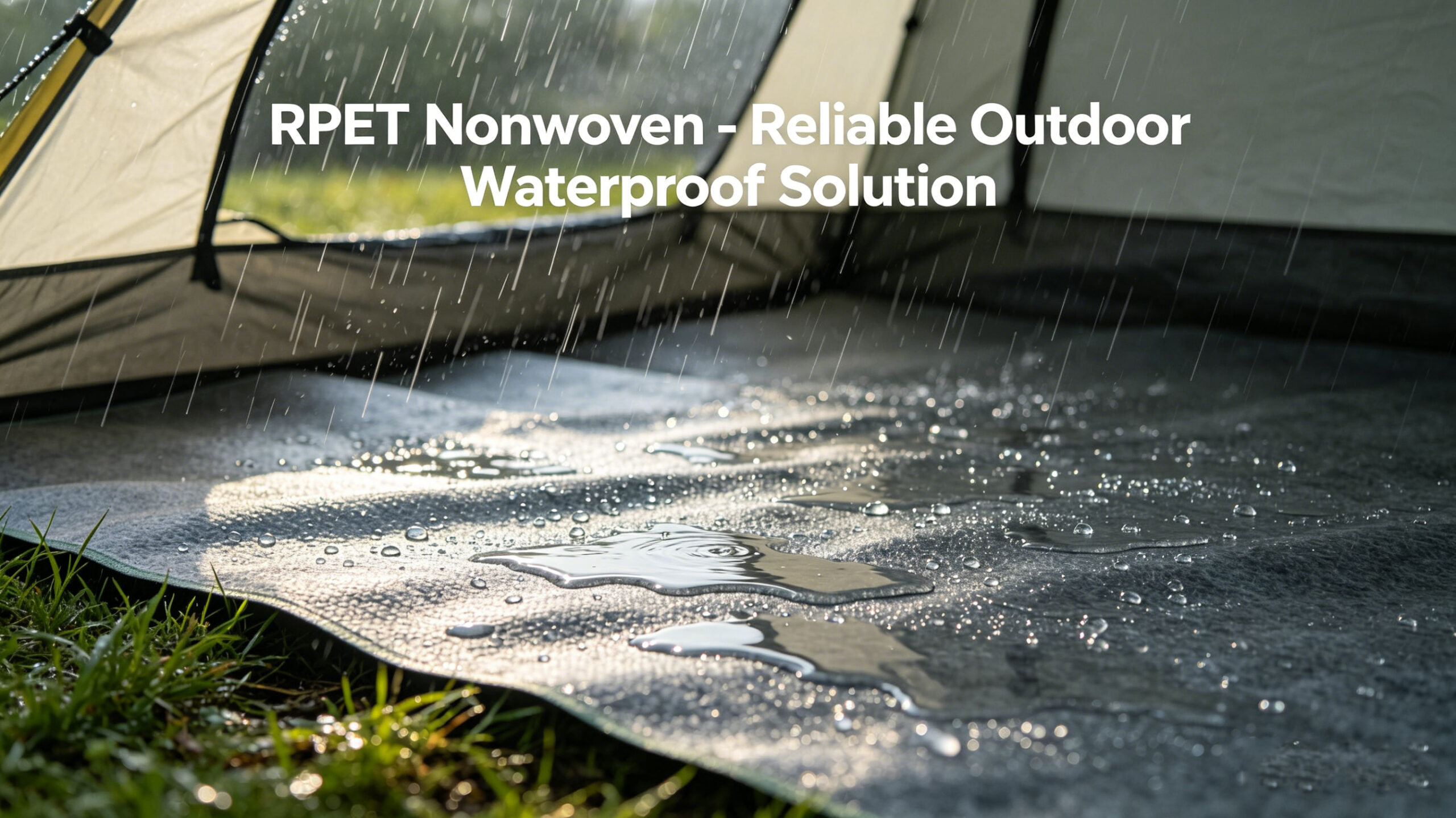
PET plastic is naturally hydrophobic, meaning it repels water. This fundamental property makes it an excellent base material for waterproofing applications. When woven into a tight fabric or extruded into a continuous film, RPET creates an effective, long-lasting shield against moisture ingress.
2. Durability and Tear Resistance
RPET membranes inherit the high tensile strength of virgin polyester. They are:
-
Puncture Resistant: Withstands site debris and root penetration in roofing applications.
-
Dimensionally Stable: Resists shrinking, stretching, or warping under temperature fluctuations, maintaining seal integrity.
-
Long-Lasting: Provides a durable waterproofing layer that matches the lifespan of building structures.
3. Chemical and UV Stability
RPET is resistant to a wide range of chemicals, including mild acids, alkalis, and salts. This makes it suitable for challenging environments like green roofs (fertilizer exposure) or foundations (soil chemicals). When treated with UV stabilizers, RPET membranes can effectively resist degradation from sunlight exposure.
The Compelling Sustainability Case
This is where RPET truly makes a wave. Choosing RPET-based waterproofing is a direct investment in environmental stewardship.
-
Circular Economy in Action: Each square meter of RPET membrane represents dozens of diverted plastic bottles, giving them a valuable second life in a long-term application.
-
Reduced Carbon Footprint: Manufacturing with recycled content consumes significantly less energy and emits fewer greenhouse gases compared to producing virgin plastic polymers.
-
Resource Conservation: It reduces dependency on fossil fuels (crude oil) and lowers the overall environmental burden of construction and infrastructure projects.
Key Applications for RPET Waterproofing
1. Roofing Underlayment & Membranes
Used as a secondary weather-resistant barrier beneath tiles or metal roofing, or as the primary waterproofing layer for flat or low-slope roofs, especially in commercial buildings.
2. Foundation and Below-Grade Waterproofing
Applied to foundation walls and footing to prevent groundwater seepage. RPET’s chemical resistance is crucial in this soil-contact application.
3. Landscaping and Green Roofs
Serves as a root-resistant and waterproofing layer in plaza decks, podiums, and vegetated roof systems, protecting the structure while supporting sustainable urban design.
4. Temporary Covers and Tarpaulins
Heavy-duty RPET fabrics are used to create durable, waterproof tarps for construction sites, material protection, and emergency shelters.
Implementation and Selection Guide
When specifying RPET waterproofing products, consider:
-
Certifications: Look for GRS (Global Recycled Standard) or similar certifications that verify the percentage of post-consumer recycled content (often 50-100%).
-
Form Factor: Available as self-adhering membranes, loose-laid sheets, or liquid-applied coatings with RPET reinforcement fabrics.
-
Compatibility: Ensure compatibility with adhesives, sealants, and the primary building materials in your assembly.
Conclusion: Building a Water-Resistant, Waste-Conscious Future
RPET waterproofing solutions stand at the intersection of resilience and responsibility. They prove that the materials protecting our buildings from the elements can also protect our planet. As green building standards like LEED and BREEAM continue to reward recycled content, RPET membranes are set to become the standard for forward-thinking architects, builders, and homeowners.
By choosing RPET, you’re not just keeping water out—you’re helping to close the loop on plastic waste, one project at a time.
Waterproof with Purpose. Discover our range of certified RPET membranes and fabrics engineered for performance and planet.