In the floral industry, beauty and sustainability are no longer mutually exclusive. Today’s consumers don’t just want stunning bouquets—they want to feel good about the packaging that protects those blooms, too. Enter RPET (Recycled Polyethylene Terephthalate), a game-changing material that marries functionality, aesthetics, and environmental responsibility. For floral brands looking to reduce their carbon footprint without compromising on quality, RPET for flower packing is more than a trend—it’s a long-term investment in both the planet and your brand’s reputation.
What Is RPET, and Why Is It Perfect for Flower Packing?
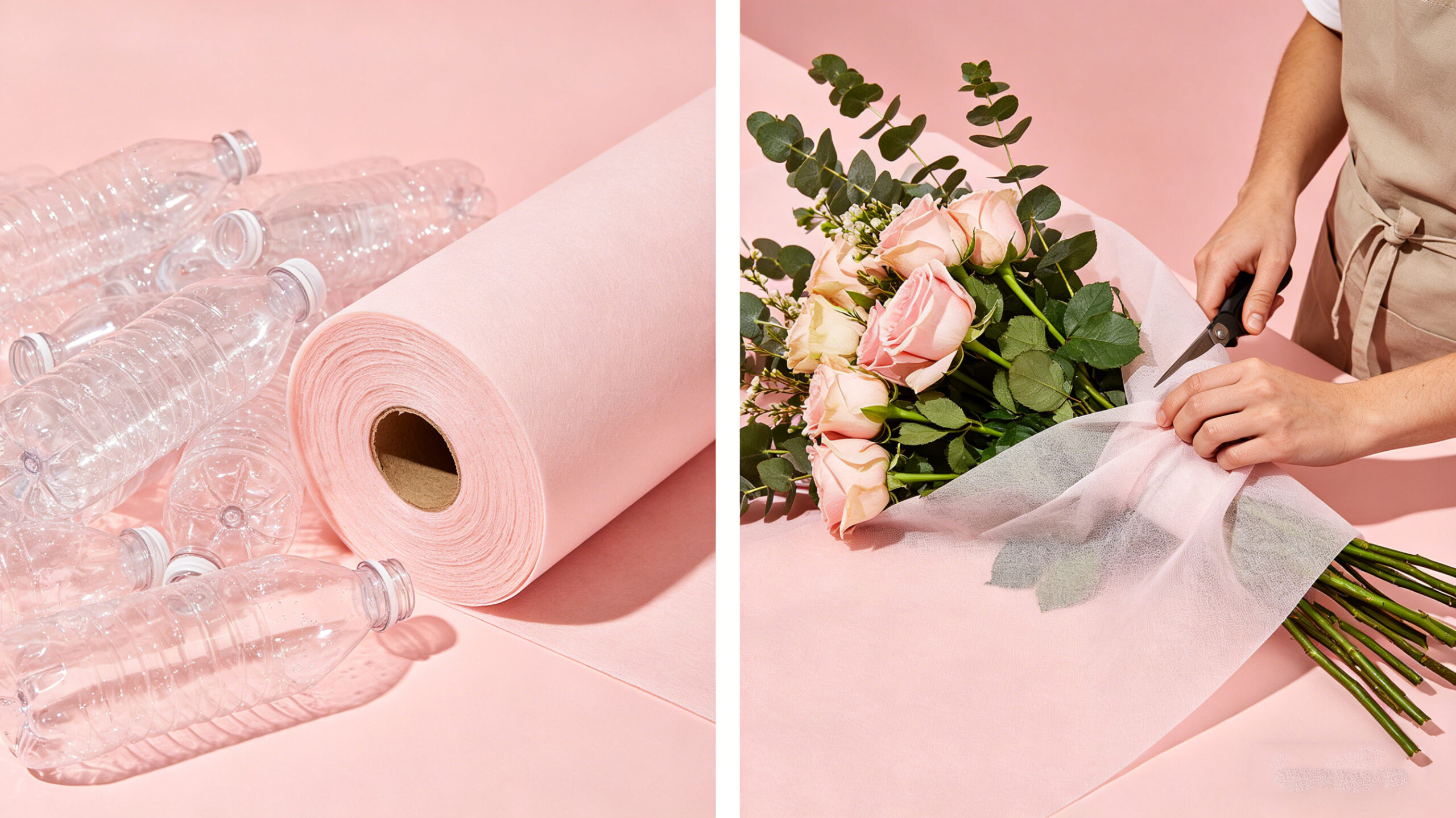
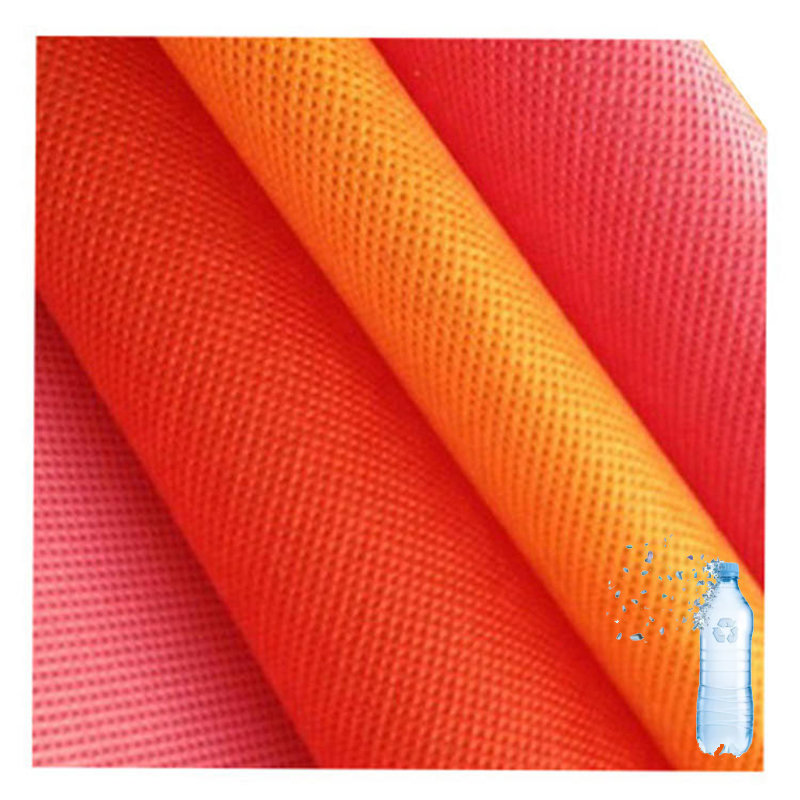
RPET stands for Recycled Polyethylene Terephthalate, a sustainable material created by collecting, sorting, and processing post-consumer PET plastic (think plastic water bottles, food containers, and other PET waste) into new, high-quality packaging materials. Unlike virgin PET, which relies on fossil fuels and contributes to plastic waste, RPET diverts plastic from landfills and oceans, reducing greenhouse gas emissions and conserving natural resources.
For flower packing specifically, RPET checks all the boxes that matter most to floral brands and their customers: it’s transparent, durable, lightweight, and customizable—all while being eco-friendly. Unlike some other sustainable materials that sacrifice functionality for green credentials, RPET offers the same (if not better) performance as traditional plastic packaging, making it a seamless swap for your existing floral packaging needs.
The Benefits of Using RPET for Flower Packing
Choosing RPET for your floral packaging isn’t just good for the planet—it’s good for your business, too. Here are the key benefits that make RPET the ideal choice for flower brands:
1. Environmental Sustainability (Your Brand’s Green Credentials)
The floral industry is inherently tied to nature, so aligning your packaging with eco-friendly practices resonates deeply with consumers. RPET reduces plastic waste by repurposing existing materials: every ton of RPET used saves approximately 7.4 barrels of oil and reduces carbon emissions by 1.8 tons compared to virgin PET production. By using RPET, you’re not just reducing your brand’s environmental impact—you’re also appealing to the growing number of eco-conscious shoppers who prioritize sustainable brands.
2. Superior Protection for Delicate Blooms
Flowers are fragile, and their packaging needs to keep them fresh, intact, and beautiful from your shop to the customer’s home. RPET is naturally durable and resistant to tears, scratches, and moisture—critical for protecting delicate petals, stems, and foliage during transit and display. Its rigid structure prevents crushing, while its transparency lets customers admire the full beauty of the bouquet without opening the packaging. Unlike flimsy paper or compostable materials that can tear easily, RPET ensures your flowers arrive in perfect condition.
3. Customizable to Match Your Brand Aesthetic
Your floral packaging is an extension of your brand—and RPET is highly customizable to fit your unique style. It can be clear (to showcase your blooms), tinted (to add a subtle pop of color), or printed with your logo, brand colors, or sustainability messaging. Whether you’re packaging single stems, small bouquets, or large arrangements, RPET can be shaped into sleeves, boxes, wraps, or blister packs to suit your needs. This versatility ensures your packaging not only protects your flowers but also reinforces your brand identity.
4. Cost-Effective and Scalable
Many brands assume sustainable packaging is more expensive—but RPET is surprisingly cost-competitive with traditional plastic. As demand for recycled materials grows, the cost of RPET has become increasingly accessible, especially for bulk orders. Additionally, RPET is lightweight, which reduces shipping costs (a major expense for floral brands). It’s also widely available and scalable, making it suitable for small boutiques and large floral retailers alike. Over time, the positive brand reputation and customer loyalty gained from using sustainable packaging can further offset any minor cost differences.
5. Food-Safe and Recyclable (Closing the Loop)
Flowers are often given as gifts, and many customers use floral packaging for short-term storage or display. RPET is food-safe (after rigorous decontamination processes) and fully recyclable—meaning once the customer is done with the packaging, it can be recycled again to create new products, closing the circular economy loop. This “cradle-to-cradle” approach not only reduces waste but also shows your commitment to true sustainability, not just greenwashing. Be sure to add clear recycling instructions on your packaging to encourage customers to participate in the cycle.
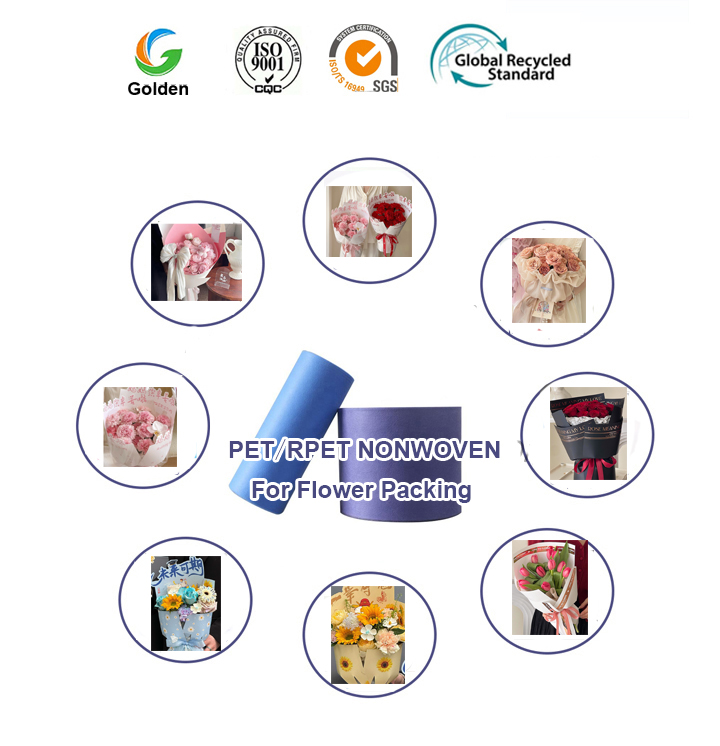
How to Incorporate RPET into Your Flower Packing Strategy
Ready to make the switch to RPET? Here are practical tips to help you integrate RPET into your floral packaging seamlessly:
-
Start Small: Begin by replacing high-use packaging items (like single-stem sleeves or bouquet wraps) with RPET versions. This allows you to test the material and get feedback from customers before fully transitioning.
-
Highlight Your Sustainability Efforts: Educate your customers about RPET! Add a small note on your packaging or a blog post on your website explaining what RPET is and why you’ve chosen it. Transparency builds trust and encourages customers to support your sustainable mission.
-
Partner with a Reputable Supplier: Choose a supplier that offers high-quality, food-safe RPET and can accommodate your customization needs. Look for certifications (like GRS—Global Recycled Standard) to ensure the material is truly recycled and sustainable.
-
Combine with Complementary Materials: For a more cohesive sustainable look, pair RPET with other eco-friendly materials (like recycled paper tags or jute ribbons). This creates a polished, eco-conscious packaging experience that aligns with your brand’s values.
RPET vs. Other Sustainable Flower Packaging Materials
While there are other sustainable packaging options for flowers (like PLA, PHA, or recycled paper), RPET stands out for its balance of functionality and sustainability. Here’s how it compares:
-
RPET vs. PLA/PHA: PLA and PHA are compostable, but they require specific industrial (or home, for PHA) composting conditions that aren’t always accessible to customers. RPET, on the other hand, is widely recyclable through standard recycling programs, making it easier for customers to dispose of responsibly. RPET also offers better durability and moisture resistance than PLA, which can break down if exposed to water—critical for flower packaging.
-
RPET vs. Recycled Paper: Recycled paper is eco-friendly but lacks the durability and moisture resistance needed to protect delicate flowers during transit. It’s also not transparent, so customers can’t see the blooms inside. RPET solves both issues, offering protection and visibility in one sustainable package.
The Future of Floral Packaging Is RPET
As consumers become more environmentally conscious and governments crack down on single-use plastics, sustainable packaging is no longer an option—it’s a necessity. RPET for flower packing offers a simple, effective way for floral brands to reduce their environmental impact while maintaining the quality and beauty their customers expect. By choosing RPET, you’re not just packaging flowers—you’re packaging your brand’s commitment to sustainability, attracting eco-conscious customers, and contributing to a greener future for the floral industry.
Ready to make the switch? Start exploring RPET packaging options today, and let your flowers shine—inside and out.