In the world of filtration—whether air, liquid, or industrial—sustainability is no longer an afterthought. Today’s businesses and consumers demand solutions that deliver uncompromising performance and environmental responsibility. That’s where RPET (Recycled Polyethylene Terephthalate) comes in. As a leading eco-friendly material for filter media, RPET for filter applications is transforming the industry, offering a circular alternative to traditional virgin plastic filters. By repurposing post-consumer PET plastic bottles into high-quality filtration media, RPET filters help brands reduce their carbon footprint, cut plastic waste, and stand out in a market increasingly driven by green values. Let’s explore why RPET is the future of sustainable filtration.
What Is RPET Filter Media? A Sustainable Game-Changer
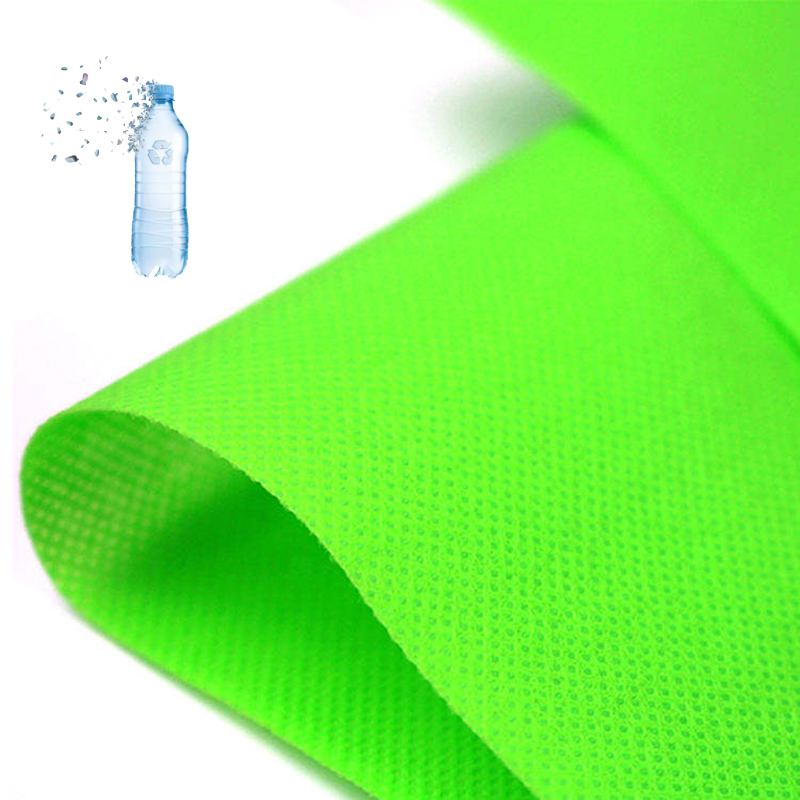
RPET filter media is a type of filtration material crafted from 100% post-consumer PET plastic waste—most commonly plastic water bottles, food containers, and other PET products that would otherwise end up in landfills or oceans. The production process of RPET for filter applications is designed to maximize sustainability while maintaining performance:
- Collection & Cleaning: Post-consumer PET waste is collected, sorted, and thoroughly cleaned to remove contaminants like labels, adhesives, and food residue.
- Shredding & Melting: The cleaned PET is shredded into small flakes, melted down, and extruded into fine fibers or membranes—key components of filter media.
- Formation: These RPET fibers are then formed into nonwoven fabrics, nanofiber membranes, or felt, depending on the specific filtration needs (e.g., air vs. liquid filtration).
Compared to virgin PET filter media, RPET diverts plastic waste from landfills, reduces reliance on fossil fuels (used to produce virgin plastic), and cuts carbon emissions by up to 70%—making it a true circular economy solution for filtration.

Key Benefits of RPET for Filter Applications (Why It Outperforms Traditional Media)
Choosing RPET for filter media isn’t just good for the planet—it’s good for your business. Here are the core advantages that make RPET filters a superior choice for brands across industries:
- Eco-Friendly Credentials (Align with Green Goals)
With global plastic waste reaching crisis levels, brands are under pressure to adopt sustainable practices. RPET filters are made from 100% recycled content, diverting millions of plastic bottles from landfills and oceans each year. Using RPET for filter applications helps your business meet sustainability targets, comply with environmental regulations, and appeal to eco-conscious customers who prioritize green products.
- Superior Filtration Efficiency
RPET filter media boasts a uniform pore structure with minimal variation (≤5% error), allowing it to capture particles as small as 1–500 nm. For reference, this means RPET filters can achieve >99% removal efficiency for particles as small as 500 nm—outperforming many traditional filter media. Whether you’re filtering air (PM2.5, dust, allergens) or liquids (impurities, debris, contaminants), RPET delivers consistent, reliable performance.
- Durability & Longevity (Lower Maintenance Costs)
RPET filter media is highly durable, with a lifespan up to 50% longer than traditional filter materials like PP (polypropylene). It resists chemicals (pH range 2–12), chlorine (up to 500 ppm), and high temperatures (up to 140°C), making it suitable for harsh industrial environments. Its high dirt-holding capacity (2–3x that of traditional media) means less frequent filter changes—reducing maintenance costs by up to 30% over time.
- Cost-Effective & Scalable
Many brands assume sustainable materials are more expensive, but RPET for filter applications is surprisingly cost-competitive. As demand for recycled materials grows, the cost of RPET has become increasingly accessible, especially for bulk orders. Additionally, RPET’s lightweight nature reduces shipping costs, while its long lifespan lowers the total cost of ownership. It’s scalable, too—suitable for small businesses and large industrial operations alike.
- Versatility (Adapt to Any Filtration Need)
RPET filter media is highly versatile, making it suitable for a wide range of filtration applications. From air to liquid, industrial to residential, RPET can be tailored to meet specific needs—making it a one-stop solution for brands with diverse filtration requirements.
Common Applications of RPET for Filter Media

RPET filters are used across industries, thanks to their versatility and performance. Here are the most common applications:
- Air Filtration
RPET nonwoven media is ideal for air filtration systems, including HVAC units, cleanrooms, paint booths, and automotive cabin air filters. It effectively traps PM2.5, PM10, dust, allergens, and overspray—improving air quality while reducing environmental impact.
- Water & Liquid Filtration
RPET membrane and nonwoven filters are widely used in liquid filtration, such as:
- Industrial wastewater treatment (chemical, electroplating, papermaking industries)
- Food and beverage filtration (beer, wine, juice clarification, with 1μm accuracy)
- Swimming pool filtration (removes debris and hair with ≥98% efficiency)
- Residential and commercial water filters (under-sink, countertop models)
- Specialty Filtration
RPET filter media is also used in high-demand specialty applications, including:
- Medical and pharmaceutical filtration (sterile filtration, low extractables)
- Oil and gas separation (oil-resistant, compliant with ISO 1817 standards)
- Electronics manufacturing (cleanroom air filtration for sensitive components)
RPET vs. Virgin PET & Traditional Filter Media: A Comparison
Wondering how RPET for filter applications stacks up against other materials? Here’s a clear comparison to help you make the right choice:
| Feature | RPET Filter | Virgin PET Filter | PP Filter |
| Sustainability | 100% recycled content, low carbon footprint | Virgin plastic, high carbon emissions | Virgin plastic, moderate carbon footprint |
| Filtration Efficiency | High (captures 1–500 nm particles, >99% removal) | High (similar to RPET) | Medium (captures ≥1μm particles) |
| Chemical Resistance | Excellent (pH 2–12, resists chlorine) | Excellent (same as RPET) | Good (pH 4–10, limited chlorine resistance) |
| Cost | Lower (bulk orders), reduced total cost of ownership | Higher (relies on fossil fuels) | Lowest (but shorter lifespan) |
| Lifespan | Long (50% longer than traditional media) | Long (same as RPET) | Short (frequent replacement needed) |
Why Choose RPET for Filter Applications? (For Your Business)
Switching to RPET filters isn’t just a sustainable choice—it’s a strategic one. Here’s how your business benefits:
- Meet Sustainability Goals: Reduce plastic waste and carbon emissions, making it easier to comply with environmental regulations and attract eco-conscious customers.
- Superior Performance: Reliable filtration for critical applications, with consistent quality backed by advanced melt filtration technology.
- Cost Savings: Longer filter lifespan and lower maintenance needs reduce the total cost of ownership over time.
- Brand Differentiation: Demonstrate your commitment to sustainability, standing out from competitors and building trust with customers.
Conclusion: RPET for Filter—The Sustainable Choice for Modern Filtration
RPET for filter applications is more than a trend—it’s a sustainable solution that balances performance, cost, and environmental responsibility. By choosing RPET filters, you’re not just investing in high-quality filtration; you’re supporting a circular economy, reducing plastic waste, and positioning your brand as a leader in sustainability. Whether you’re in the air, liquid, or industrial filtration industry, RPET offers a seamless, cost-effective way to go green without compromising on performance.
Make the switch to RPET filters today—where sustainability meets superior filtration.