The agricultural industry stands at a critical crossroads—balancing the need for increased productivity with urgent environmental sustainability. A surprising yet powerful solution is emerging: RPET (Recycled Polyethylene Terephthalate) fabrics and materials derived from post-consumer plastic waste. This blog explores the innovative applications of RPET in agriculture, focusing on soil management, protection, and sustainable farming practices.
Rethinking Agricultural Fabrics: From Waste to Resource
RPET for soil agriculture typically refers to non-woven geotextiles, woven ground covers, and protective fabrics manufactured from recycled polyester fibers. These materials are created by processing used PET products—primarily plastic bottles—into durable, permeable, and UV-stabilized textiles designed for direct use in farming and land management.
Unlike conventional plastic mulches or virgin polymer fabrics, RPET geotextiles offer a closed-loop narrative, transforming environmental liabilities (plastic waste) into agricultural assets that enhance soil health and crop productivity.
Key Applications of RPET in Soil-Based Agriculture
1. Weed Suppression Mats & Ground Covers
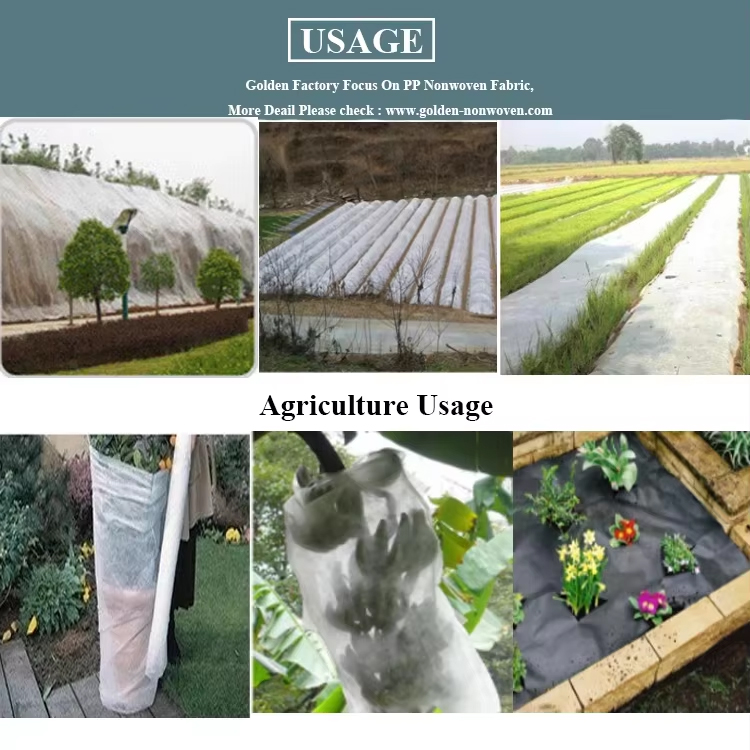
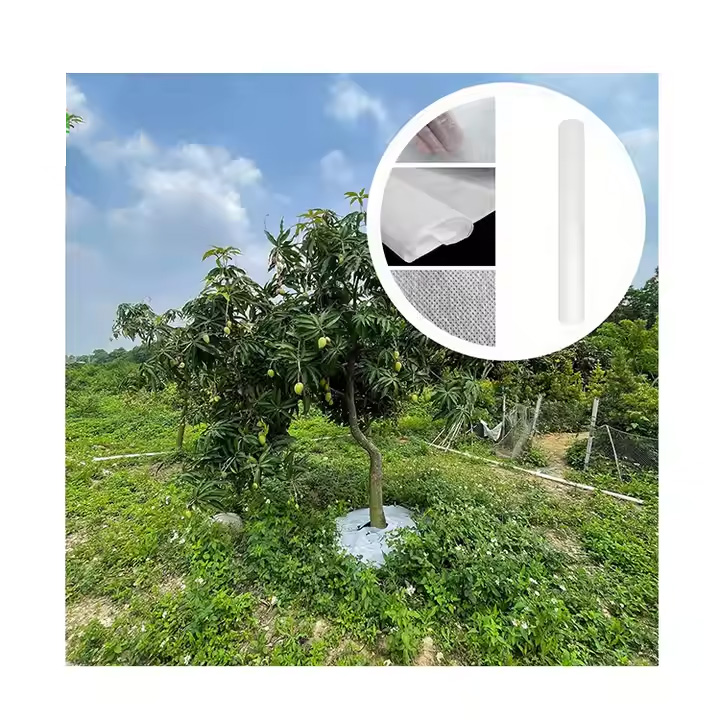
RPET non-woven fabrics are used as permeable weed barriers in orchards, vineyards, and row crops. They block sunlight to prevent weed growth while allowing water and air to penetrate the soil, reducing the need for herbicides and manual weeding.
2. Erosion Control and Soil Stabilization
On slopes, embankments, and newly planted areas, RPET geotextiles stabilize the soil, prevent erosion from wind and rain, and promote vegetation establishment. Their permeable structure holds soil in place while letting moisture through.
3. Mulching Films and Mats
RPET-based mulching sheets help retain soil moisture, regulate temperature, and prevent soil compaction. Compared to traditional plastic mulch, RPET options are often more breathable and can be engineered for different levels of biodegradability or recyclability at end-of-life.
4. Protective Covers and Plant Blankets
Lightweight RPET fabrics serve as frost protection covers, insect netting, or shade cloths. They shield young plants from extreme weather and pests while being durable enough for multiple seasons of use.
5. Soil Amendment Carriers
RPET non-woven materials can be used as biodegradable (when combined with natural fibers) containers or mats infused with fertilizers, bio-stimulants, or beneficial microbes, providing slow-release nutrition directly to the root zone.
The Sustainability and Agronomic Benefits
Environmental Impact
-
Waste Diversion: Repurposes thousands of tons of plastic waste into long-life agricultural products.
-
Reduced Carbon Footprint: Manufacturing RPET fibers consumes less energy and generates fewer emissions than virgin plastic production.
-
Chemical Reduction: Decreases reliance on herbicides and pesticides through physical weed and pest barriers.
Soil and Crop Benefits
-
Moisture Conservation: Reduces water evaporation, leading to more efficient irrigation and drought resilience.
-
Temperature Moderation: Keeps soil cooler in summer and warmer in early spring, extending growing seasons.
-
Soil Health: Minimizes erosion and compaction, preserving soil structure and organic matter.
Considerations for Implementation
-
Durability and UV Resistance: Ensure the RPET fabric is treated for UV stability to withstand prolonged sun exposure.
-
Permeability Specification: Select the appropriate weight and porosity for your specific need—higher permeability for erosion control, tighter weave for weed suppression.
-
End-of-Life Plan: While RPET is recycled in origin, consider options for recyclability, take-back programs, or controlled biodegradability for products that cannot be easily recovered from fields.
The Future of Sustainable Agriculture
RPET fabrics represent a tangible step towards circularity in agri-tech. As consumer and regulatory pressures push for greener supply chains, materials that deliver both performance and a positive environmental story will become the norm. From organic farms to large-scale sustainable agriculture projects, RPET is proving that the future of farming can be built, in part, from the materials of our past.