In today’s world, where sustainability is no longer a buzzword but a business imperative, industries are actively seeking ways to reduce their environmental footprint. The cable management sector is no exception. Enter RPET (Recycled Polyethylene Terephthalate) cable wrapping—a smart, green solution that turns post-consumer plastic waste into high-performance protective sleeving. This blog post dives deep into why RPET is the material of choice for modern cable wrapping applications.
What is RPET Cable Wrapping?
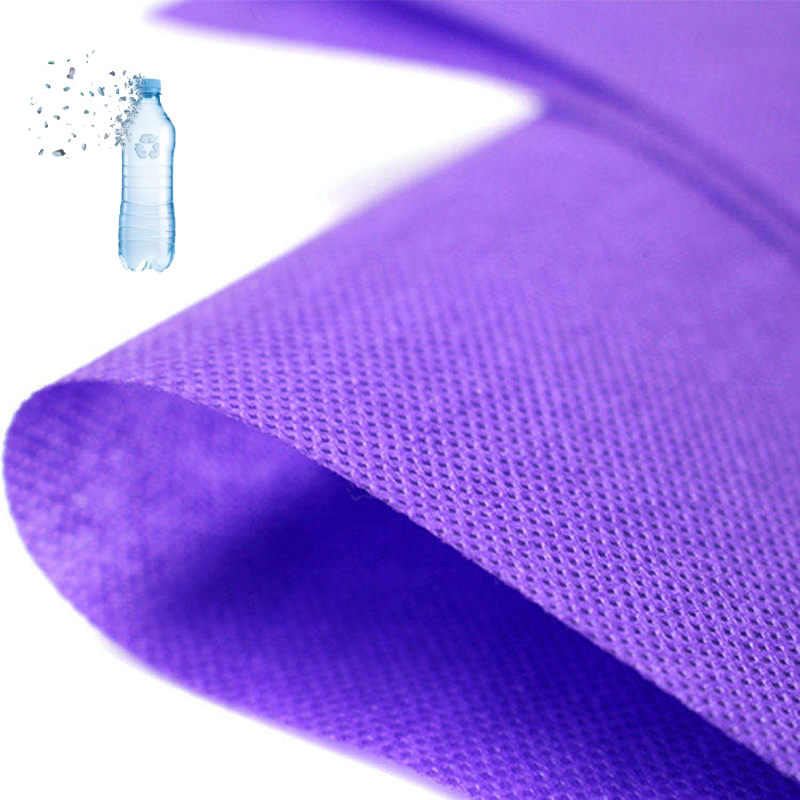
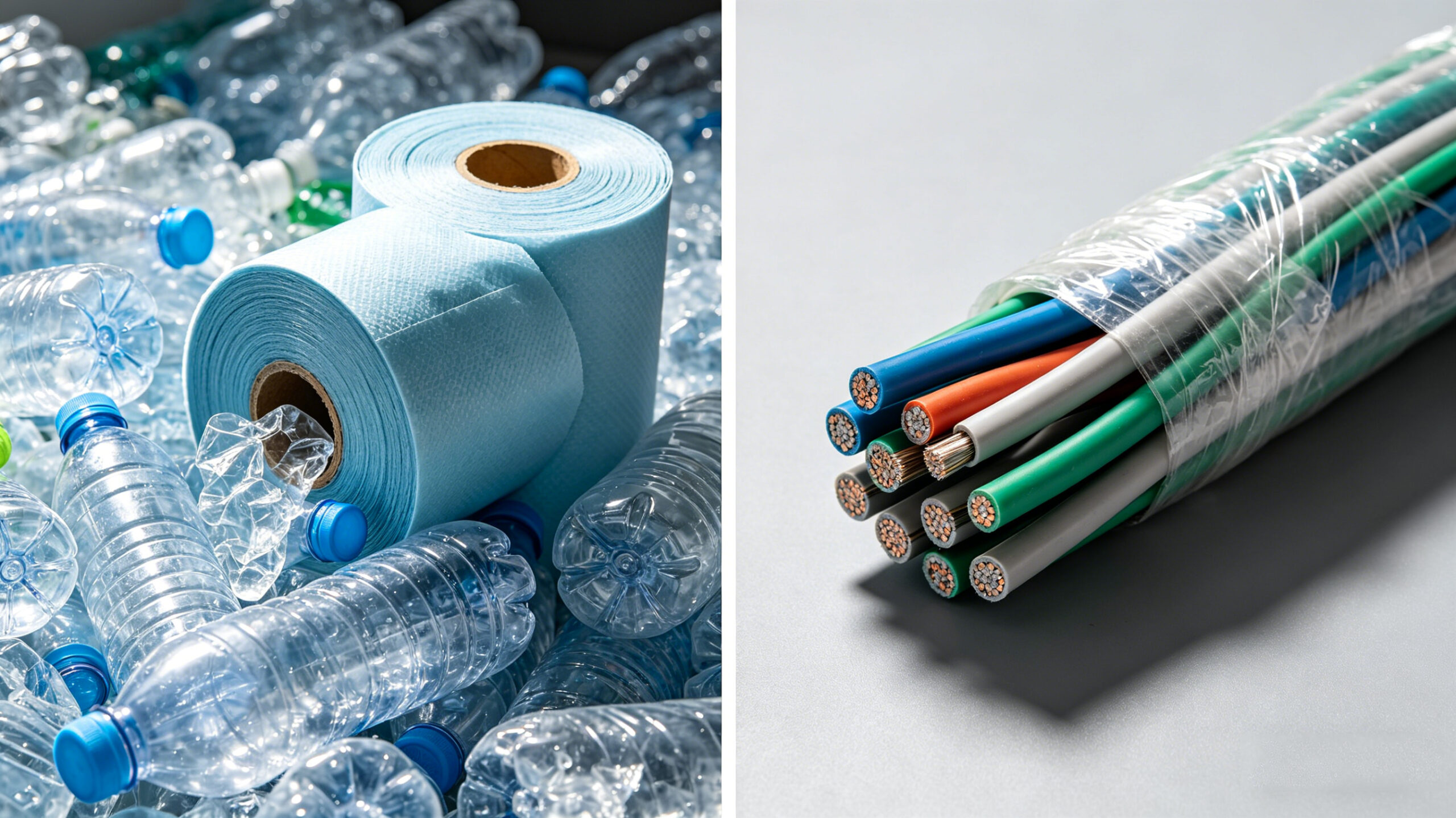
RPET cable wrapping is a type of flexible sleeving or spiral wrap used to bundle, protect, and organize cables and wires. The key differentiator is its material composition: it is made primarily from recycled PET plastic, commonly sourced from used water bottles and food containers.
The process involves collecting post-consumer PET waste, which is then cleaned, shredded into flakes, and reprocessed into polyester fibers or sheets. These fibers are woven or extruded into durable, tubular wraps that offer excellent abrasion resistance and flexibility.
Why Switch to RPET for Your Cable Management?
1. Significant Environmental Benefits
The core advantage of RPET lies in its closed-loop potential. By opting for RPET wraps, you are directly contributing to:
-
Waste Reduction: Diverting plastic bottles from landfills and oceans.
-
Lower Carbon Footprint: Manufacturing RPET consumes significantly less energy (up to 75-84% less by some estimates) and generates fewer greenhouse gases compared to virgin PET production.
-
Resource Conservation: Reducing reliance on crude oil, the primary raw material for virgin plastic.
2. Performance That Matches Virgin Plastic
Don’t let the “recycled” label fool you—RPET retains the essential properties that make PET great for cable management:
-
Durability: High tensile strength and resistance to wear and tear, ensuring long-lasting protection for cables in industrial, automotive, and data center environments.
-
Chemical Resistance: Inherently resistant to many chemicals, acids, and alkalis, making it suitable for harsh environments.
-
Flexibility: Easy to install and wrap around complex cable harnesses without cracking or losing shape.
3. Enhanced Brand Image and Compliance
Using RPET cable wraps is a visible commitment to sustainability. It aligns with global regulations pushing for increased recycled content in products and helps businesses meet their ESG (Environmental, Social, and Governance) goals. For B2B clients, this can be a strong selling point.
Applications of RPET Cable Wraps
RPET’s versatility allows it to be used across various sectors:
-
Data Centers: For organizing server racks and underfloor cabling, where airflow management and aesthetics are critical.
-
Automotive Industry: Bundling wiring harnesses in vehicles, benefiting from its heat resistance and lightweight nature.
-
Renewable Energy: Managing cables in solar panel arrays and wind turbines, where UV resistance is often a key requirement.
-
Home and Office: Tidying up computer desks, entertainment centers, and networking closets with an eco-conscious product.
Choosing the Right RPET Cable Wrap
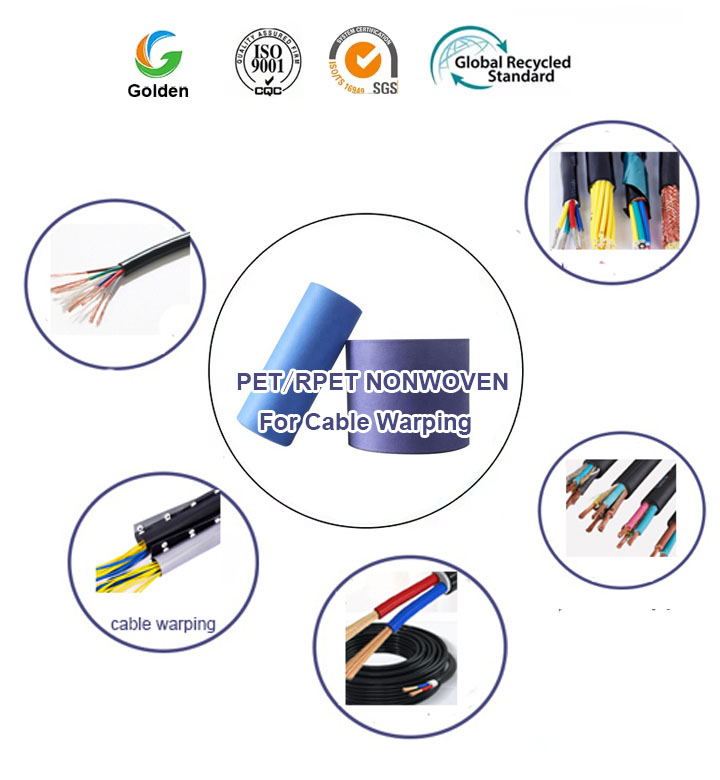
When sourcing RPET cable wraps, look for the following:
-
Certifications: GRS (Global Recycled Standard) or SCS (Scientific Certification Systems) certifications verify the percentage of recycled content.
-
Material Type: Options include woven RPET sleeves (breathable and flexible) and RPET spiral wraps (ideal for adding or removing cables easily).
-
Size and Color: Available in various diameters and colors (often including classic black and green-tinted clear) to suit different organizational needs.
The Future is Circular
RPET cable wrapping is more than just a product; it’s a step towards a circular economy in the electronics and manufacturing sectors. By choosing materials that give plastic waste a second life, we can build more sustainable infrastructure without compromising on performance or reliability.