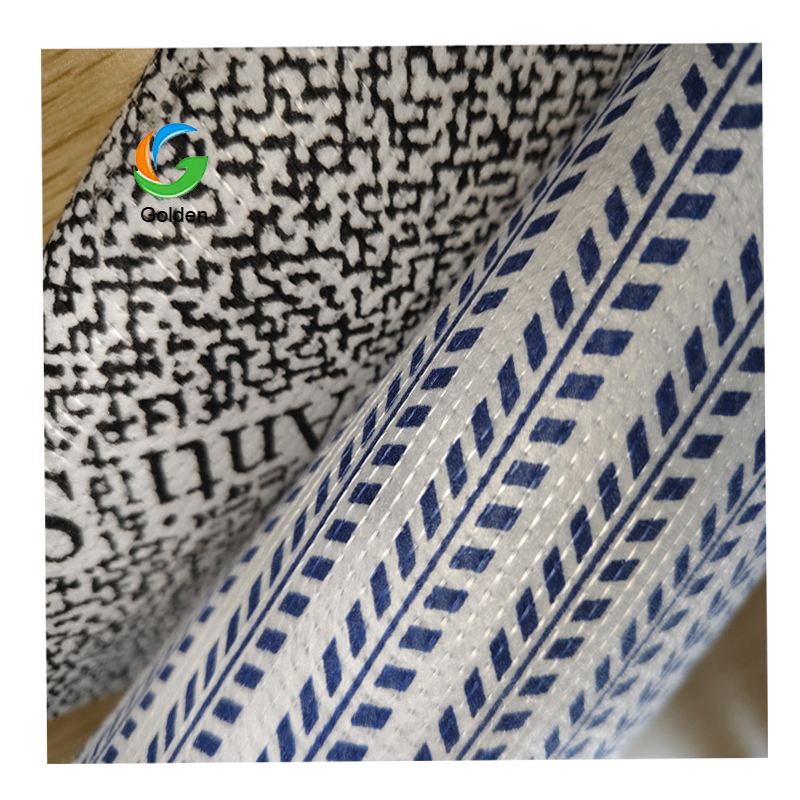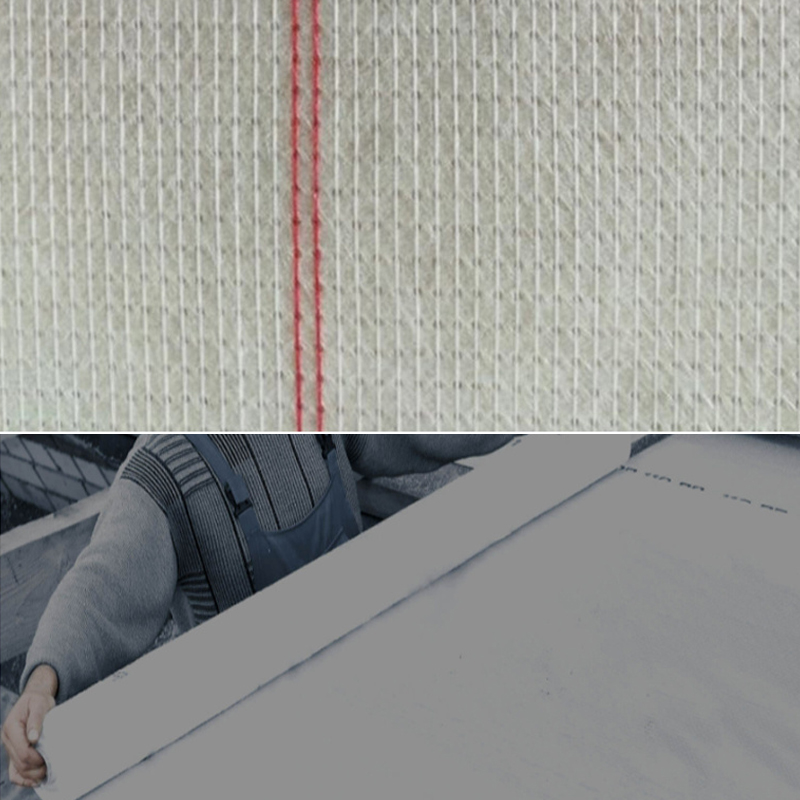
In the construction and waterproofing industry, stitchbond fabric is widely used as a reinforcement layer for roofing membranes, waterproof sheets, and building protection systems.
Thanks to its high tensile strength, dimensional stability, and excellent compatibility with coating materials, waterproof stitchbond fabric has become a preferred solution for manufacturers of roofing and waterproof membranes.
For global buyers, sourcing from a reliable stitchbond fabric manufacturer is essential to ensure long-term performance and stable production quality.
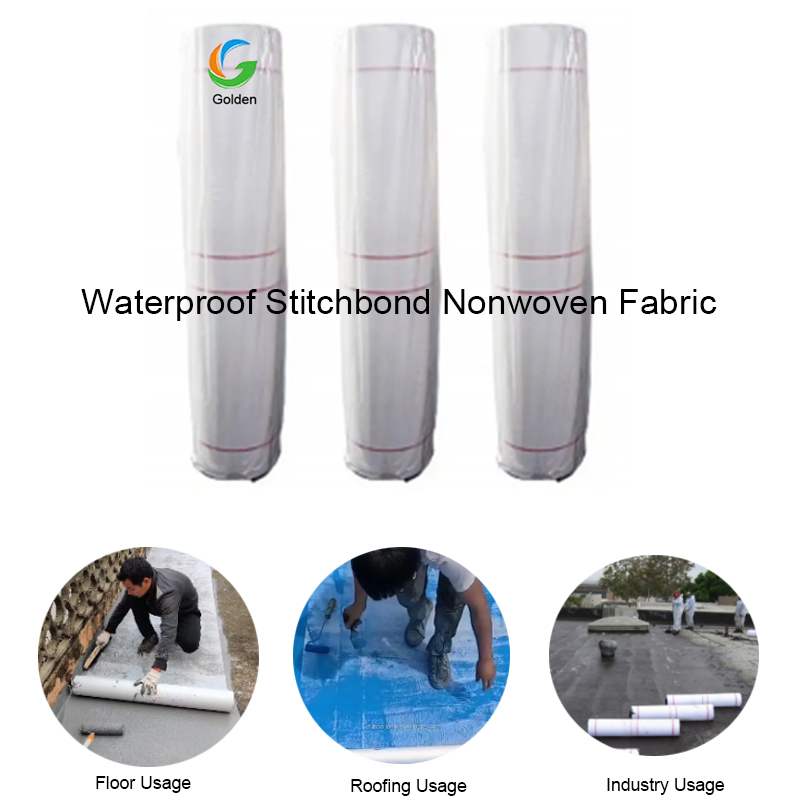
What Is Stitchbond Fabric for Waterproof Applications?
Stitchbond fabric for waterproofing is a reinforced nonwoven material produced by stitching polyester or polypropylene fibers into a stable web structure.
It is commonly used as the base reinforcement layer in waterproof products such as:
- roofing membranes
- bitumen membranes
- PVC waterproof sheets
- SBS / APP modified membranes
The stitched structure improves the membrane’s mechanical performance and prevents tearing during installation.
Why Stitchbond Is Used for Waterproof Systems
1. High Tensile Strength
Waterproof membranes need to resist:
- pulling force
- installation stress
- thermal expansion
Stitchbond fabric provides excellent reinforcement strength.
This helps improve the durability of the finished membrane.
2. Excellent Dimensional Stability
Dimensional stability is critical for waterproof materials.
Stitchbond helps prevent:
- deformation
- shrinkage
- cracking
especially under temperature changes.
3. Excellent Coating Compatibility
Stitchbond fabric works well with:
- bitumen
- PVC
- PE coating
- asphalt-based systems
This makes it highly suitable as a substrate or reinforcement layer.
4. Tear Resistance
During roofing installation, waterproof sheets may experience strong pulling force.
Stitchbond reinforcement greatly reduces the risk of tearing.
5. Long-Term Durability
For construction projects, durability is key.
Stitchbond fabric helps extend service life in:
- roofing systems
- underground waterproofing
- wall protection layers
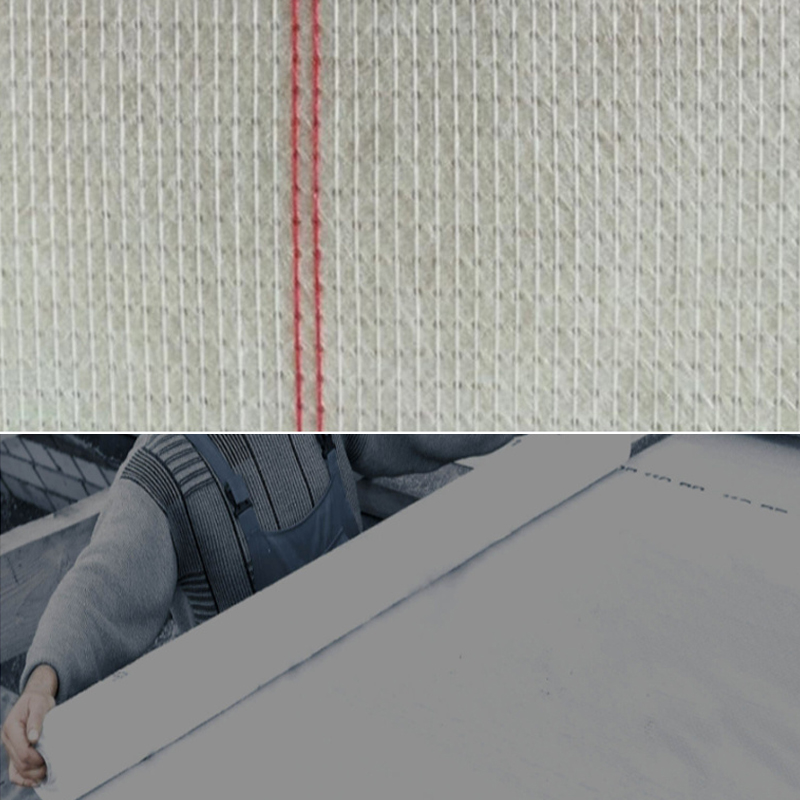
Main Applications of Stitchbond for Waterproofing
🏠 Roofing Membranes
Most common use.
Widely applied in:
- residential roofs
- commercial buildings
- industrial warehouses
🏗️ Bitumen Waterproof Membranes
Used as reinforcement backing for SBS / APP membranes.
🚧 Underground Waterproofing
Suitable for:
- basement waterproofing
- tunnel membranes
- underground structures
🧱 Wall and Floor Protection
Used as a support layer in wall waterproof sheets.
Common Materials for Waterproof Stitchbond Fabric
Polyester Stitchbond
Most common option.
Advantages:
- stronger durability
- better heat resistance
- ideal for roofing membranes
PP Stitchbond
Lower cost option for general waterproof applications.
Common Specifications
Typical options include:
- 80–120gsm → standard waterproof membrane
- 120–180gsm → roofing use
- 180gsm+ → heavy-duty construction
Width options:
- 100cm
- 160cm
- 240cm
- 320cm
Custom widths are available.
Key Benefits for Waterproof Membrane Manufacturers
Using stitchbond fabric helps factories achieve:
- stronger finished products
- lower failure rate
- easier coating process
- stable large-volume production
This is why it is widely used in construction material exports.
Custom Stitchbond Solutions for Waterproof Industry
OEM options include:
- custom GSM
- anti-UV treatment
- flame retardant
- coated surface
- custom width rolls
These options are highly attractive for B2B waterproofing buyers.
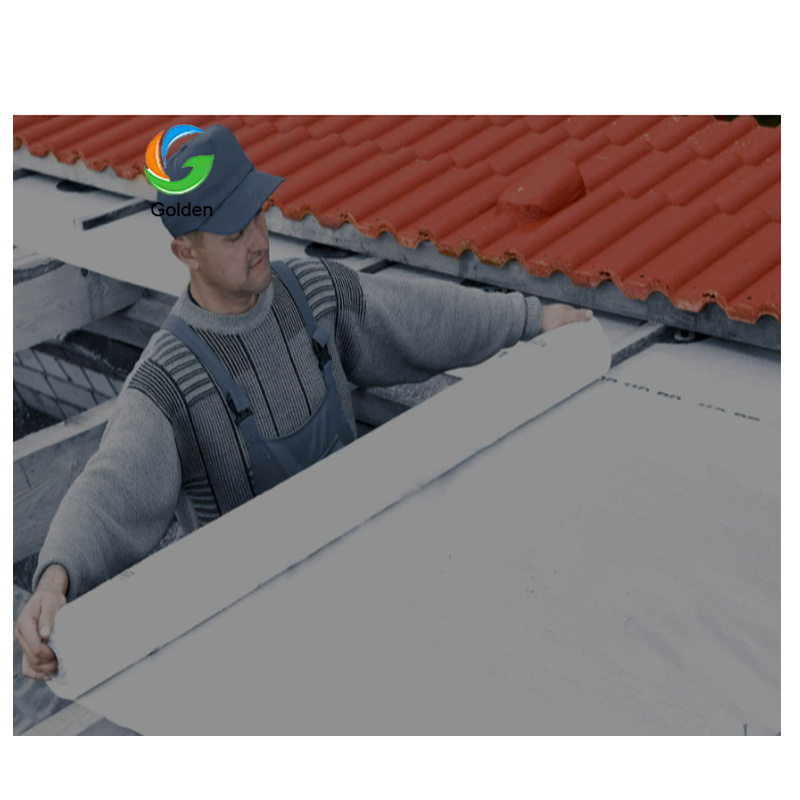
Stitchbond vs Spunbond for Waterproof Use
| Feature | Stitchbond | Spunbond |
|---|---|---|
| Tensile Strength | ⭐⭐⭐⭐⭐ | ⭐⭐⭐ |
| Tear Resistance | ⭐⭐⭐⭐⭐ | ⭐⭐⭐ |
| Roofing Use | Excellent | Good |
| Cost | Medium | Lower |
👉 For waterproof membranes → stitchbond is stronger
Why Global Buyers Choose Stitchbond for Waterproofing
Global buyers prefer stitchbond because it offers:
- stronger reinforcement
- better durability
- long service life
- stable factory supply
Especially suitable for:
- roofing manufacturers
- waterproof membrane factories
- construction material suppliers
Frequently Asked Questions
Is stitchbond fabric suitable for roofing membranes?
Yes, it is widely used as reinforcement backing.
Which material is better for waterproof use?
Polyester stitchbond is usually preferred.
Can stitchbond be UV resistant?
Yes, UV treatment can be added.
Conclusion: Choose High-Quality Stitchbond Fabric for Waterproof Systems
If you need a strong, durable, and reliable reinforcement layer for waterproof applications, stitchbond fabric is an ideal solution.
From roofing membranes to underground waterproofing, it provides excellent strength and long-term stability.
👉 Contact us today for samples, bulk pricing, and custom stitchbond fabric solutions for waterproof projects