PP Nonwoven Fabric: Complete Guide to Polypropylene Nonwoven Material for Industrial Use
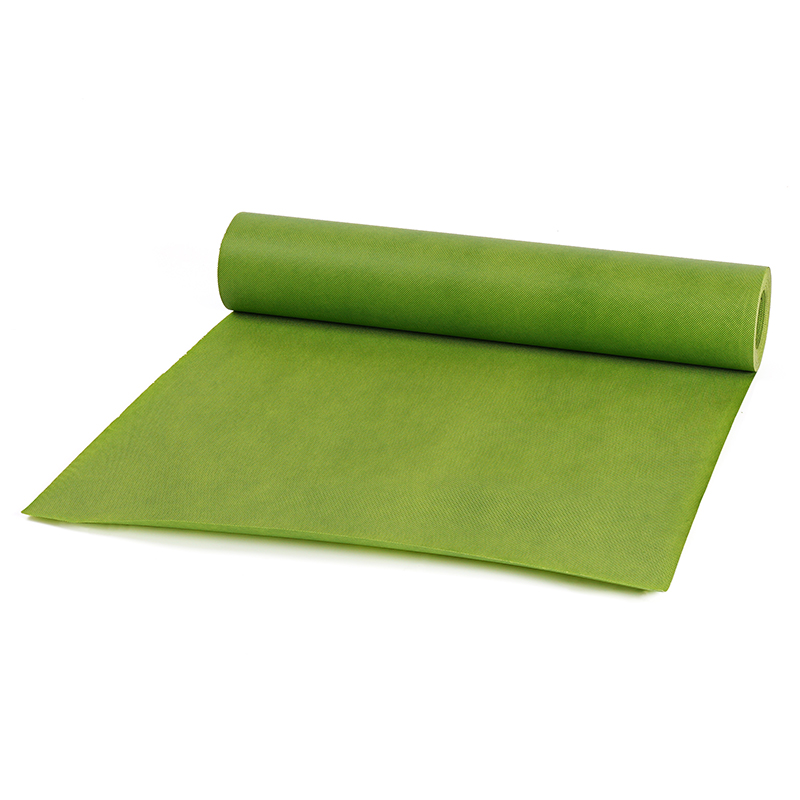
PP nonwoven fabric (polypropylene nonwoven fabric) is one of the most widely used materials in modern manufacturing. Known for its lightweight structure, durability, and cost efficiency, it is widely applied in packaging, medical products, agriculture, and industrial sectors.
For global buyers, sourcing high-quality PP nonwoven fabric from a reliable manufacturer is essential to ensure consistent performance and long-term supply.
What Is PP Nonwoven Fabric?
PP nonwoven fabric is made from polypropylene polymer through processes such as spunbond, meltblown, or needle punching. Unlike traditional woven textiles, it is produced by bonding fibers together without weaving.
This results in a fabric that is:
- Lightweight
- Breathable
- Strong and durable
- Cost-effective
Because of these properties, polypropylene nonwoven fabric is widely used in disposable and reusable applications.
Types of PP Nonwoven Fabric
1. Spunbond PP Nonwoven Fabric
- Continuous filament structure
- Strong and durable
- Most commonly used
👉 Applications: shopping bags, packaging, agriculture
2. Meltblown PP Fabric
- Ultra-fine fibers
- High filtration efficiency
👉 Applications: masks, air filters, medical products
3. Needle Punched PP Fabric
- Thick and dense
- Good insulation
👉 Applications: automotive, geotextiles, furniture
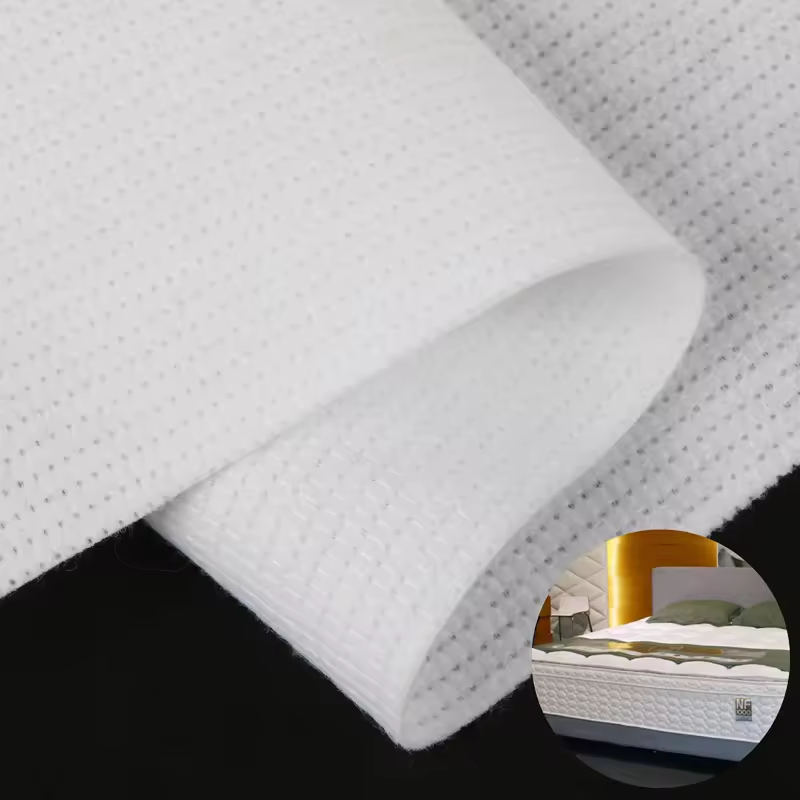
4. Stitchbond PP Fabric
- Reinforced with stitching
- High tensile strength
👉 Applications: construction, mattress backing
Key Advantages of PP Nonwoven Fabric
1. Lightweight & Cost-Effective
PP fabric is significantly lighter than traditional textiles, reducing shipping and production costs.
2. Water-Resistant & Moisture-Proof
Polypropylene does not absorb water, making it ideal for packaging and outdoor applications.
3. Chemical Resistance
Resistant to acids, alkalis, and many industrial chemicals.
4. Recyclable & Eco-Friendly
PP nonwoven fabric can be recycled and reused, helping meet sustainability goals.
5. Customizable
Manufacturers can adjust:
- GSM (10–200gsm+)
- Width (up to 320cm)
- Color
- Surface treatment
Main Applications of PP Nonwoven Fabric
🛍️ Packaging & Shopping Bags
- Nonwoven tote bags
- Promotional bags
- Retail packaging
🏥 Medical & Hygiene Products
- Disposable masks
- Surgical gowns
- Hygiene products
🌱 Agriculture
- Crop covers
- Weed control fabric
- Frost protection
🏗️ Industrial & Construction
- Insulation layers
- Geotextiles
- Protective materials
Key Specifications Buyers Should Consider
When sourcing PP nonwoven fabric, check:
- GSM (weight)
- Width & roll length
- Tensile strength
- UV resistance
- Color & printing compatibility
A professional supplier should provide full technical data sheets.
Custom PP Nonwoven Fabric Solutions
OEM services include:
- Anti-UV treatment
- Flame retardant
- Hydrophilic / hydrophobic finishes
- Printing & lamination
- Slitting and roll customization
Why Global Buyers Choose PP Nonwoven Fabric
PP nonwoven is preferred because it offers:
- Low cost for mass production
- Wide application range
- Fast manufacturing process
- Stable supply chain
It is one of the most important materials in the nonwoven industry.
Frequently Asked Questions
Is PP nonwoven fabric waterproof?
It is water-resistant but not fully waterproof unless laminated.
Is PP fabric eco-friendly?
Yes, it is recyclable and reusable.
What is the difference between spunbond and meltblown?
Spunbond provides strength, while meltblown provides filtration.
Conclusion: Source High-Quality PP Nonwoven Fabric from a Reliable Manufacturer
If you are looking for a versatile, cost-effective, and widely used material, PP nonwoven fabric is the ideal solution.
From packaging to medical applications, polypropylene nonwoven fabric plays a key role in modern industries.
👉 Contact us today for samples, technical support, and bulk pricing