The Complete Guide to PP Nonwoven Fabric: Manufacturing, Applications, and Global Supply
In today’s fast-growing industrial and packaging markets, PP nonwoven fabric has become one of the most in-demand materials worldwide. As a versatile, lightweight, and recyclable textile solution, polypropylene nonwoven fabric is widely used in shopping bags, medical products, agriculture, furniture, and industrial applications.
Whether you are looking for a reliable PP nonwoven fabric manufacturer or want to understand how spunbond nonwoven fabric is produced, this comprehensive guide will walk you through everything you need to know.
What Is PP Nonwoven Fabric?
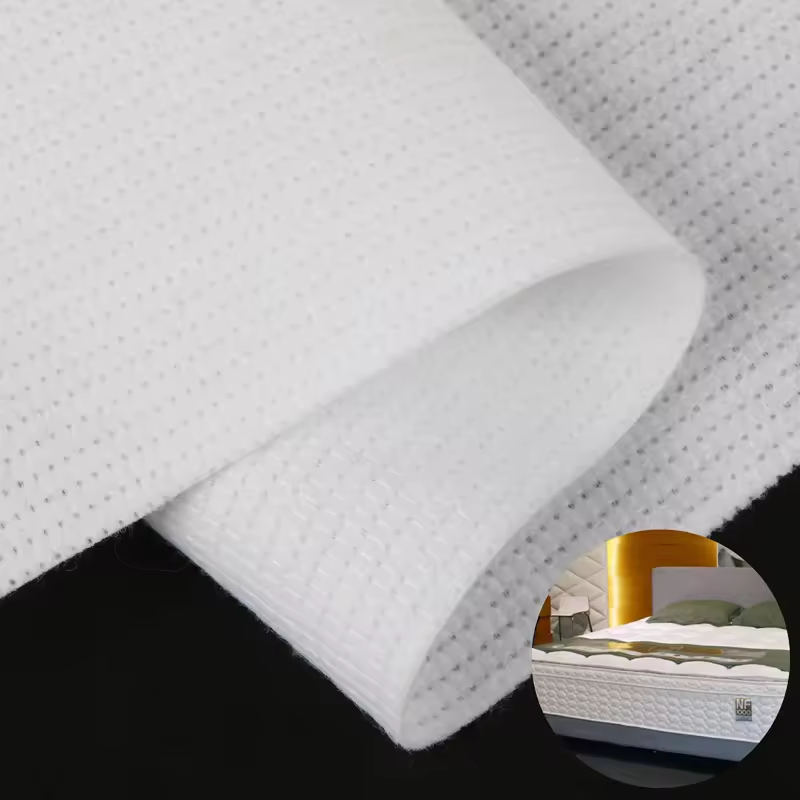
PP nonwoven fabric, also known as polypropylene nonwoven fabric, is made from polypropylene polymers that are spun into continuous filaments and bonded together without weaving or knitting.
Unlike traditional woven textiles, spunbond nonwoven fabric is produced through high-speed extrusion and thermal bonding processes. This manufacturing method results in a material that is:
-
Lightweight
-
Durable
-
Breathable
-
Moisture-resistant
-
Cost-efficient
Because of these characteristics, PP nonwoven fabric has become a preferred alternative to plastic films and traditional textiles.
How Polypropylene Spunbond Nonwoven Fabric Is Manufactured
Understanding the manufacturing process is essential when selecting a PP nonwoven fabric supplier.
1. Polymer Extrusion
Polypropylene pellets are melted and extruded into fine continuous filaments.
2. Web Formation
The filaments are laid randomly on a conveyor belt to form a fiber web.
3. Thermal Bonding
Heat and pressure are applied to bond the fibers together, forming a strong yet flexible fabric.
4. Winding & Cutting
The finished PP nonwoven fabric rolls are cut according to required widths and wound for shipment.
This high-speed production process allows polypropylene nonwoven fabric manufacturers to produce large volumes with consistent quality.
Key Advantages of PP Nonwoven Fabric
1. Lightweight but Strong
Despite its low weight, PP nonwoven fabric offers excellent tensile strength and tear resistance, making it ideal for reusable bags and packaging.
2. Cost-Effective for Bulk Production
Because spunbond nonwoven fabric is produced efficiently, it is more affordable than many woven textiles.
3. Recyclable & Environmentally Friendly
Polypropylene nonwoven fabric is 100% recyclable, helping brands comply with environmental regulations and sustainability initiatives.
4. Water & Chemical Resistance
PP fibers naturally resist moisture, acids, and alkalis, making the material suitable for medical and industrial use.
5. Customizable Specifications
A professional PP nonwoven fabric manufacturer can provide:
-
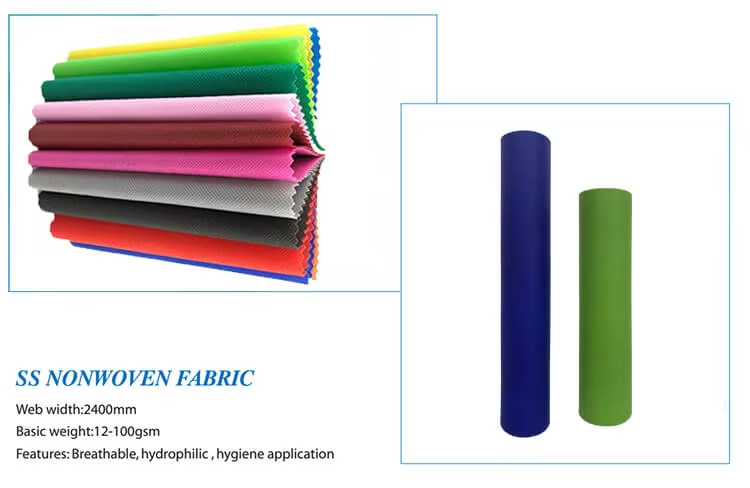
GSM range: 20–200gsm
-
Width: 160cm / 240cm / 320cm
-
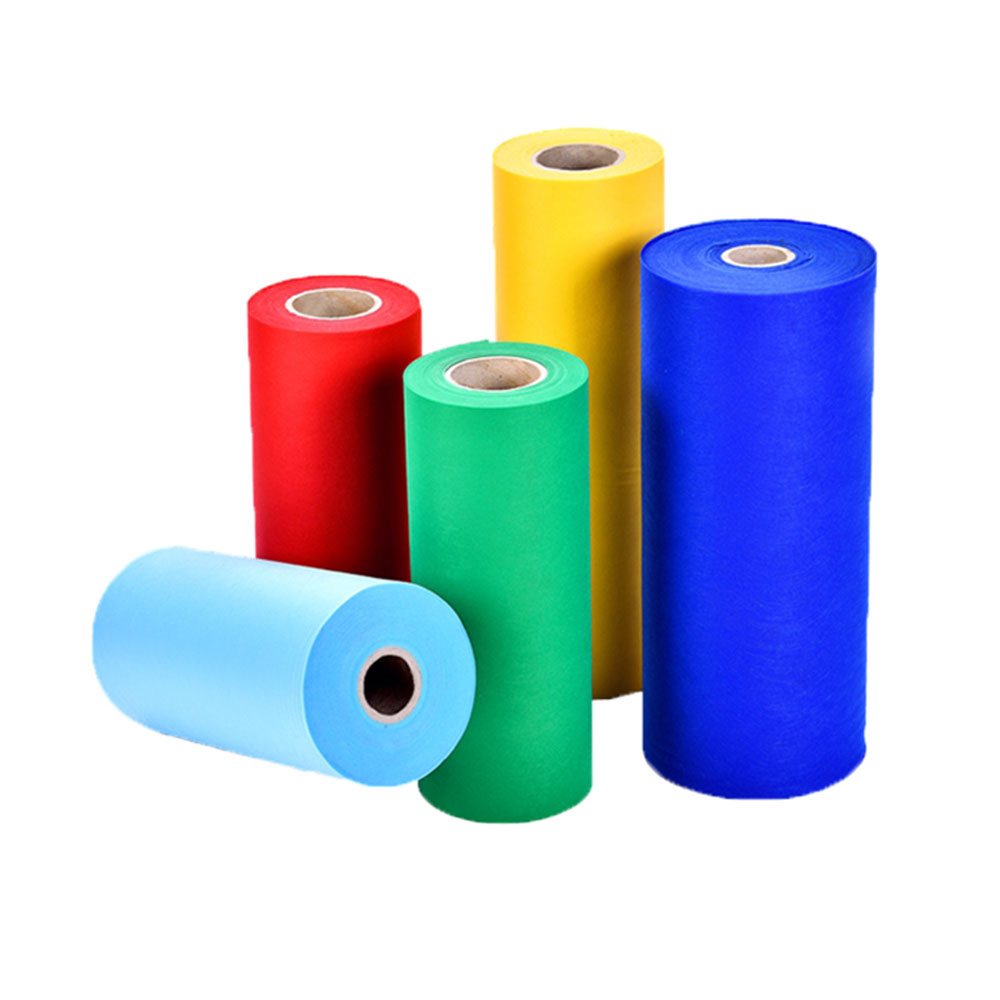
Custom colors
-
UV treatment
-
Hydrophilic or hydrophobic finishes
Main Applications of PP Nonwoven Fabric
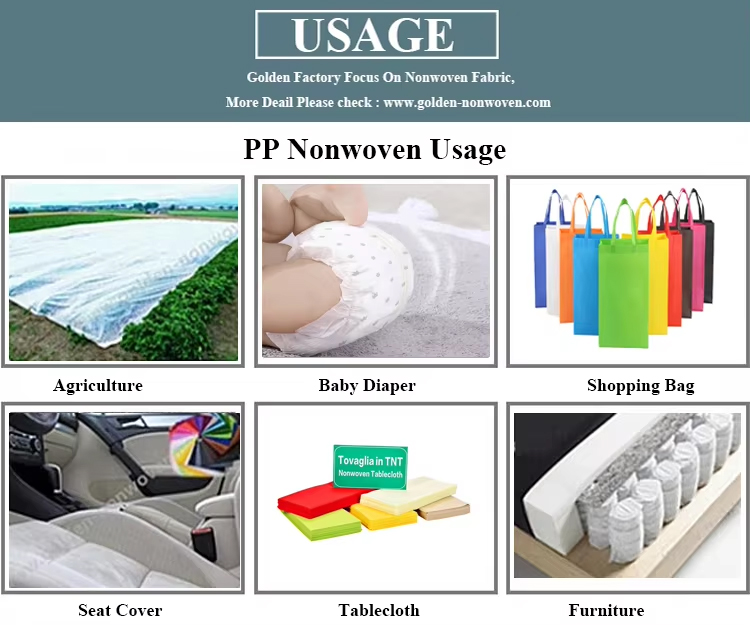
1. Reusable Shopping Bags
One of the largest applications of polypropylene spunbond nonwoven fabric is nonwoven shopping bags. The material is strong, printable, and reusable, making it ideal for retail branding.
2. Medical & Hygiene Products
Spunbond nonwoven fabric is widely used for:
-
Surgical masks
-
Medical gowns
-
Disposable caps
-
Protective covers
Its breathability and hygiene properties make it essential in healthcare.
3. Agriculture
PP nonwoven fabric is used as:
-
Crop covers
-
Frost protection fabrics
-
Weed control layers
Its permeability allows air and water flow while protecting plants.
4. Furniture & Home Textile
Polypropylene nonwoven fabric is used as:
-
Sofa backing
-
Mattress lining
-
Spring pocket covers
5. Industrial & Packaging
Many industries rely on PP nonwoven fabric for:
-
Protective packaging
-
Insulation layers
-
Filtration materials
How to Choose the Right PP Nonwoven Fabric Manufacturer
When selecting a polypropylene nonwoven fabric supplier, consider the following:
Production Capacity
Ensure the manufacturer can handle bulk and long-term supply.
Quality Control
Look for consistent GSM control, tensile strength testing, and color stability.
Customization Capability
A reliable PP nonwoven fabric manufacturer should support OEM & ODM projects.
Export Experience
For global buyers, experience in international shipping and documentation is critical.
Why Global Markets Prefer Polypropylene Nonwoven Fabric
With rising environmental awareness and stricter plastic regulations worldwide, polypropylene nonwoven fabric has gained strong market preference.
Compared to plastic bags, PP nonwoven fabric is:
-
Reusable
-
Recyclable
-
More durable
-
More brandable
Retailers, wholesalers, and industrial manufacturers increasingly shift toward spunbond nonwoven fabric for sustainable production.
PP Nonwoven Fabric Specifications Overview
| Specification | Range |
|---|---|
| Material | 100% Polypropylene |
| GSM | 20–200gsm |
| Width | Up to 320cm |
| Color | Customizable |
| Treatment | UV / Hydrophilic / Anti-Static |
| Packaging | Roll Packing |
Frequently Asked Questions
What is PP nonwoven fabric made of?
PP nonwoven fabric is made from polypropylene polymers bonded through spunbond or meltblown processes.
Is polypropylene nonwoven fabric recyclable?
Yes, polypropylene nonwoven fabric is fully recyclable and reusable.
What is the difference between woven and nonwoven fabric?
Woven fabrics are produced by interlacing yarns, while nonwoven fabrics are bonded without weaving, resulting in lower cost and higher production efficiency.
Conclusion: Partner with a Reliable PP Nonwoven Fabric Manufacturer
As global demand continues to grow, PP nonwoven fabric remains one of the most versatile and cost-effective materials in the textile and industrial sectors.
Whether you need polypropylene spunbond nonwoven fabric for shopping bags, medical applications, agriculture, or industrial use, choosing a reliable manufacturer ensures stable quality and competitive pricing.
If you are looking for a professional PP nonwoven fabric manufacturer and supplier, contact us today for customized specifications and bulk pricing solutions.
👉 Get a Quote for PP Nonwoven Fabric Now