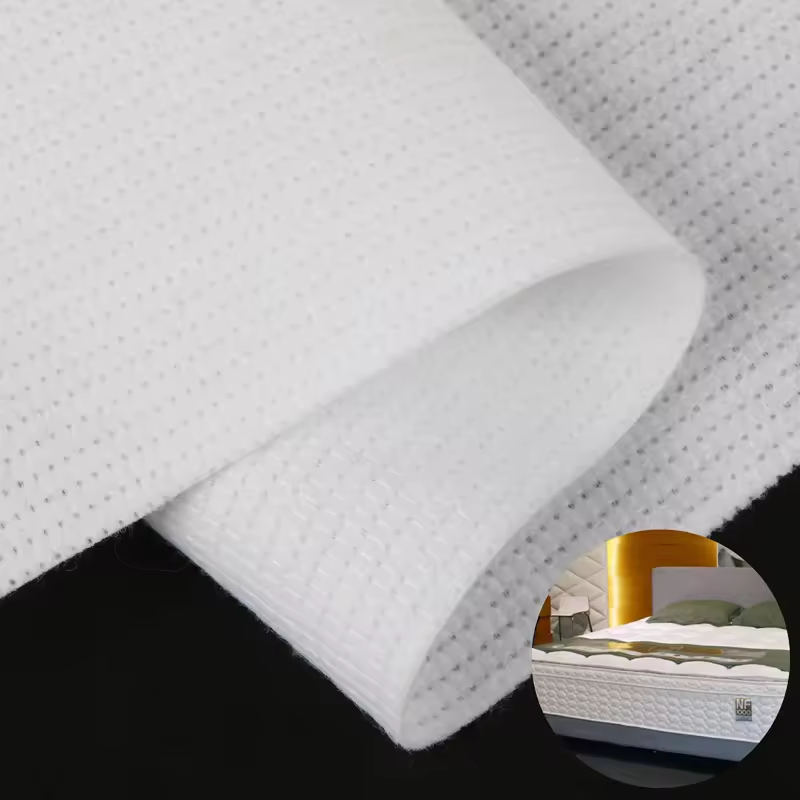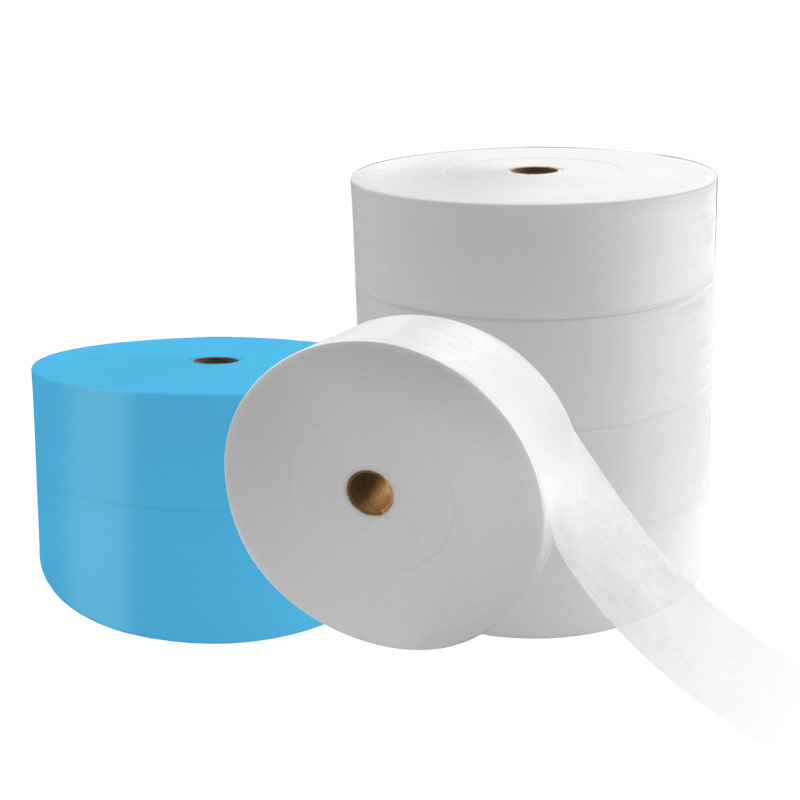
In the global filtration and medical textile industry, meltblown nonwoven fabric plays a critical role as the core filtration layer in masks, air filters, and liquid filtration systems.
Known for its ultra-fine fiber structure and superior filtration efficiency, meltblown fabric is widely used in medical, industrial, and environmental protection applications.
If you are searching for a reliable meltblown nonwoven fabric manufacturer, understanding material specifications and filtration performance is essential before bulk purchasing.
What Is Meltblown Nonwoven Fabric?
Meltblown nonwoven is produced through a meltblown extrusion process, where melted polymer (usually polypropylene) is extruded through fine nozzles and stretched by high-speed hot air into ultra-fine fibers.
These fibers form a self-bonded nonwoven web with:
-
Extremely small fiber diameter
-
High surface area
-
Fine pore structure
This unique structure makes meltblown fabric ideal for filtration applications.
Main Applications of Meltblown Nonwoven Fabric
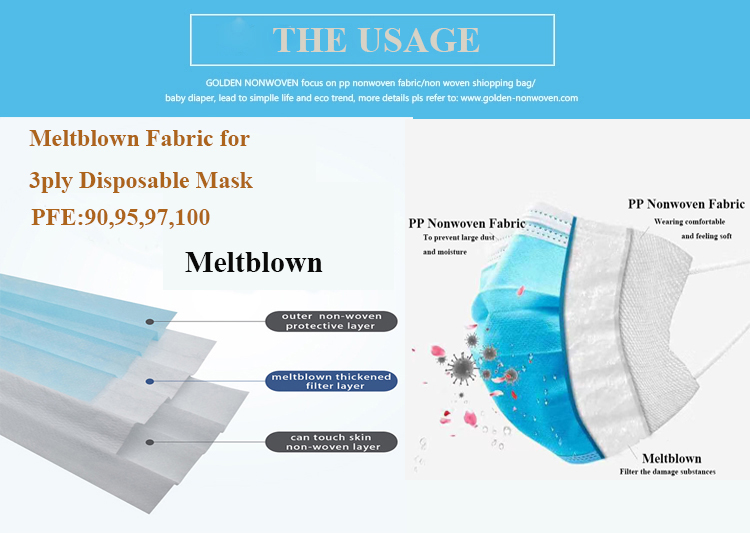
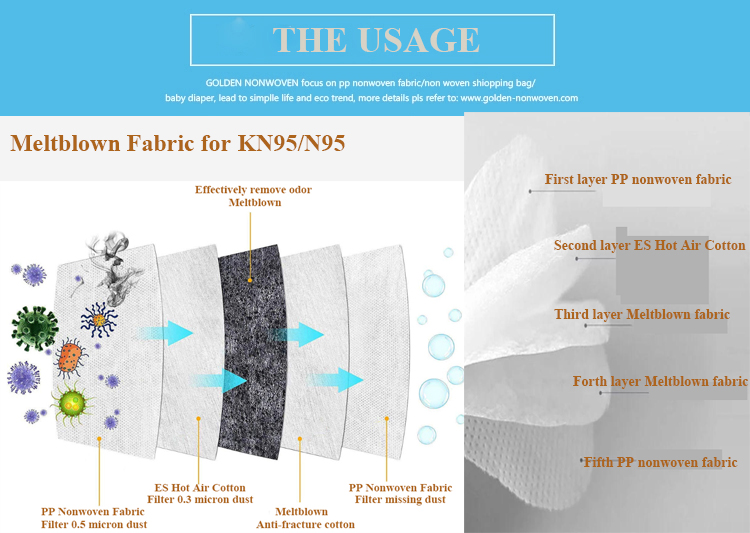
Medical & Protective Masks
Meltblown fabric is the central filtration layer in:
-
Surgical masks
-
KN95 / N95 masks
-
Disposable face masks
Air Filtration Systems
Used in:
-
HVAC filters
-
Industrial dust collectors
-
Air purifier cartridges
Liquid Filtration
Suitable for:
-
Water filtration
-
Oil absorption
-
Industrial liquid filtering systems
Oil Absorption Materials
Polypropylene meltblown fabric has excellent oil absorption capacity, widely used in:
-
Industrial spill control
-
Marine oil cleanup