Green Innovation Drives the Future of Nonwoven Fabrics
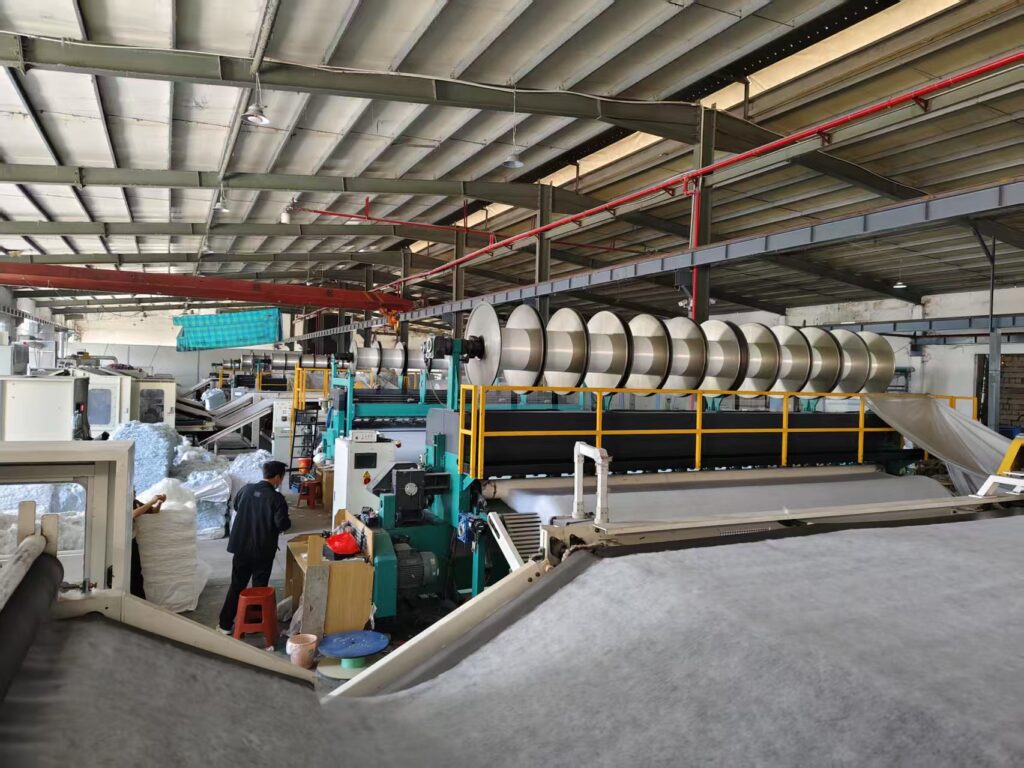
With the growing emphasis on sustainability and environmental responsibility, the nonwoven fabric industry is undergoing a transformation—from biodegradable materials to bioactive functional fabrics. Companies are leveraging technological innovation, policy support, and smart manufacturing to enhance both environmental performance and product functionality.
Biodegradable Materials: A Sustainable Direction
Bio-based biodegradable materials are emerging as a key focus. Advanced technologies such as nano/microfiber nonwoven production, biodegradable polymer spinning and web formation, and 3D shaping enable the production of environmentally friendly, functional nonwoven fabrics.
-
Increase the use of natural fibers, regenerated cellulose fibers, and polylactic acid (PLA)
-
Develop biodegradable disposable hygiene products and reusable solutions
-
Implement biodegradable certifications to strengthen international competitiveness
Bioactive Nonwovens: Medical Applications
Next-generation bioabsorbable nonwovens are already used in surgical hemostasis and have potential applications in drug delivery, wound healing, and regenerative medicine, offering high-value solutions for the healthcare sector.
Eco-Friendly Processes: Low Carbon Meets High Performance
-
Ultrasonic Bonding: High-frequency vibration fuses fibers without chemical adhesives, reducing environmental impact
-
Recycled Fiber Low-Carbon Production: Energy consumption is only 10%-20% of traditional chemical recycling, suitable for high-strength applications such as prepreg materials
Policy & Smart Manufacturing Driving Innovation
Under dual-carbon targets and green manufacturing policies:
-
Companies must establish clean production evaluation systems and digitalized, smart factories
-
Promote AI water treatment, intelligent storage, and digital twin platforms for energy efficiency and waste reduction
-
Exporters benefit from GRS/EcoVadis certifications, gaining up to 12% price premiums in EU markets
Technology Trends: Expanding Product Applications
-
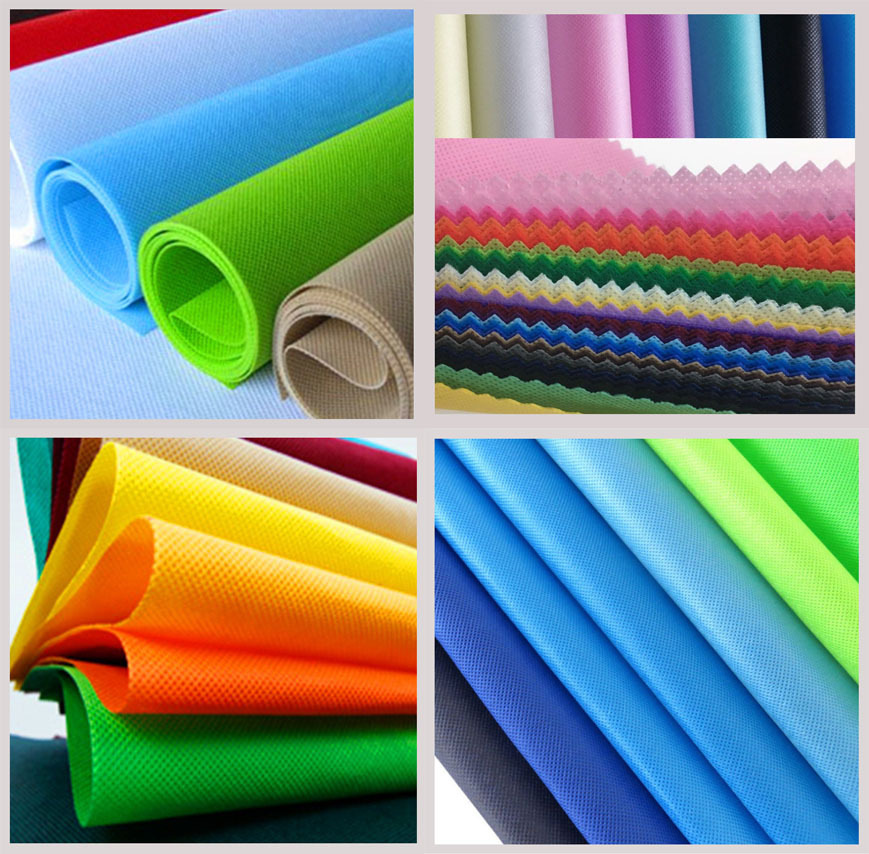
Spunbond & Meltblown Nonwovens: Ultra-lightweight, uniform fibers for masks, protective apparel, and thermal materials
-
Flash Spun Nonwovens: Applications in medical packaging, protective products, and printed materials
-
Electrospun Nonwovens: Used in personal protective equipment, insulation, waterproof-breathable fabrics, and battery separators
-
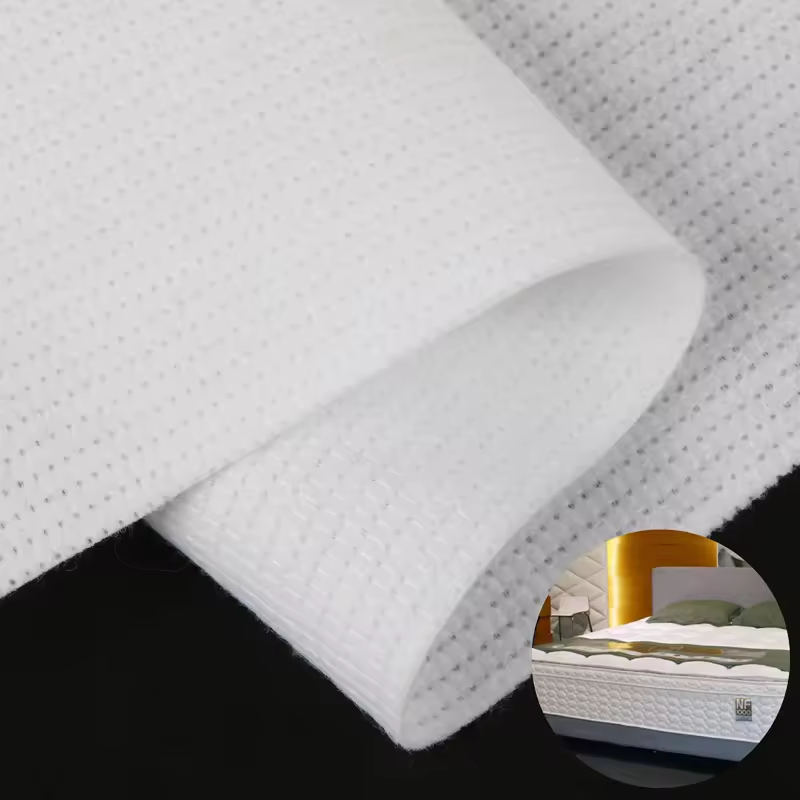
Eco-Friendly Nonwovens: Full-cotton hydroentangled, dispersible fabrics, PLA and bio-polyester spunmelt, promoting sustainable product industrialization
Industry Challenges & Opportunities
-
High cost of bio-based raw materials requires scale production to reduce costs
-
Certification and standards for biodegradable and recycled fibers are still developing
-
Low textile recycling rates (below 20%) highlight the need for dedicated collection networks
Conclusion: Green High-End Products Driving Growth
By 2025, high-end, eco-friendly nonwoven products are expected to account for over 30% of the industry, becoming a core growth engine for the new materials sector. Companies investing in innovation, sustainable materials, and smart manufacturing will gain a competitive advantage globally.
📩 Interested in biodegradable or bioactive nonwovens? Contact us for samples, technical details, and bulk customization solutions.
This version is:
-
SEO-friendly: Keywords like biodegradable nonwovens, bioactive nonwovens, eco-friendly processes, smart manufacturing
-
B2B-oriented: Emphasizes applications, benefits, and policy advantages
- CTA-driven: Clear invitation to contact for business inquiries