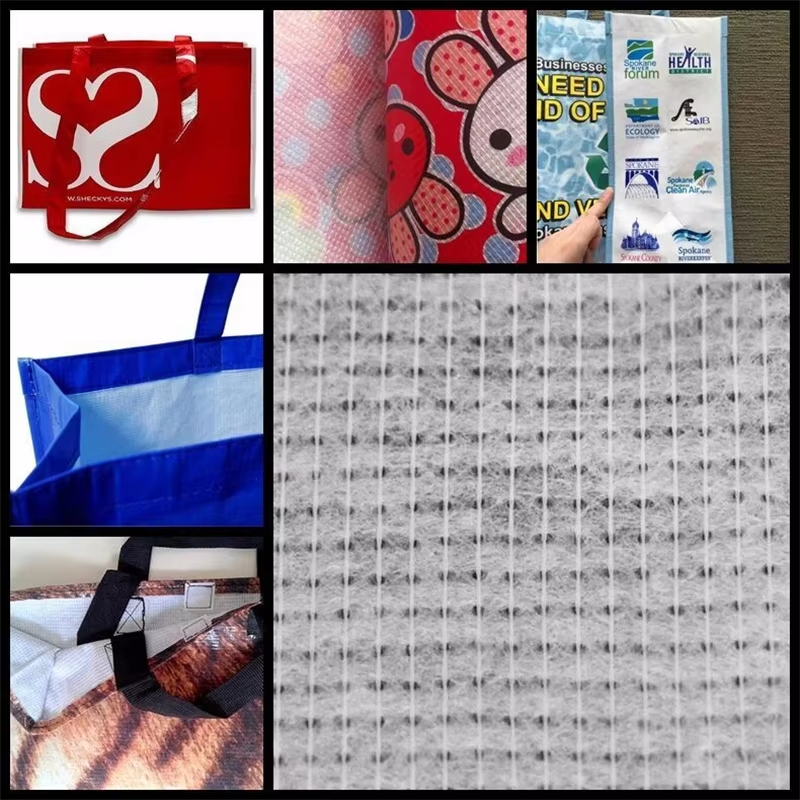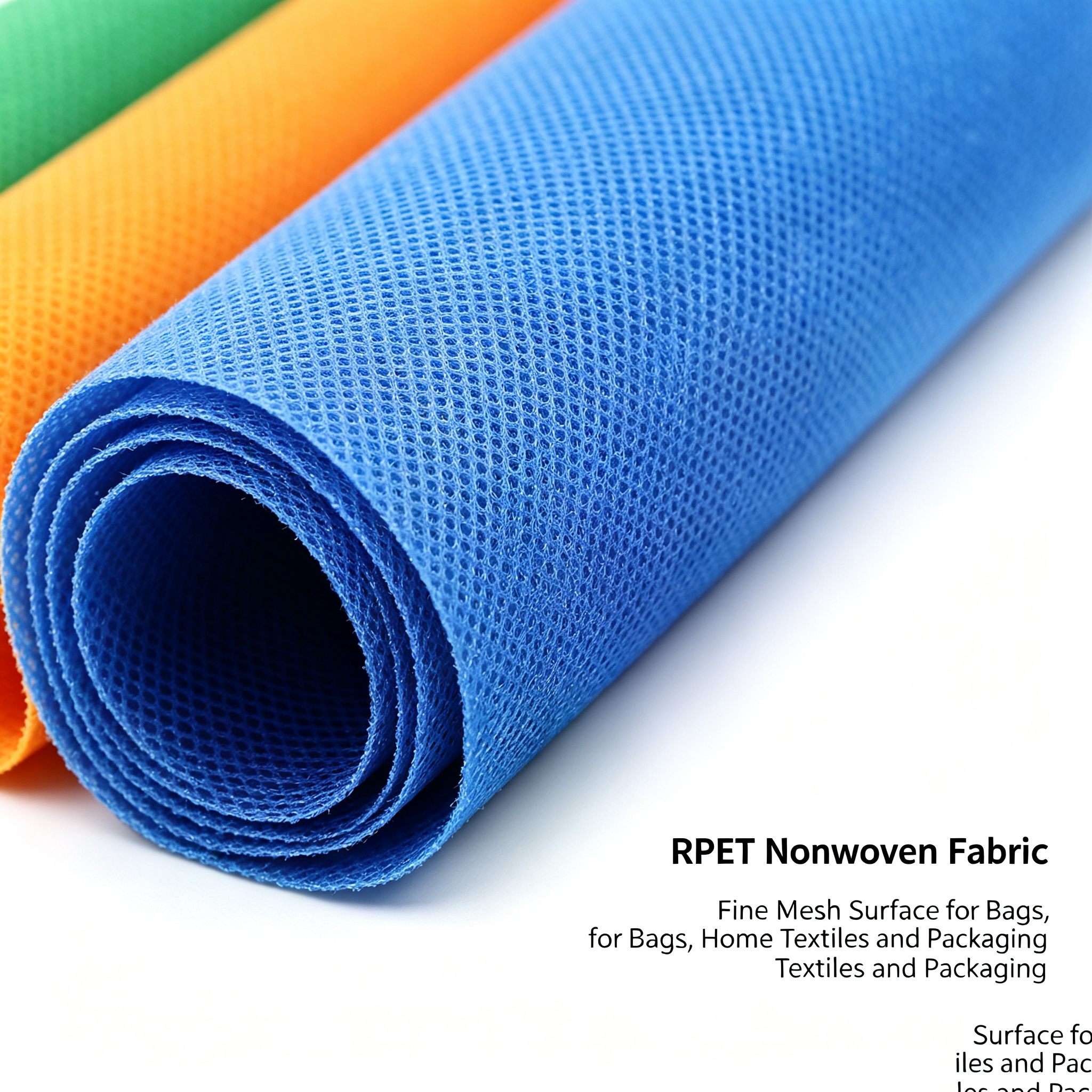
In modern textile and industrial manufacturing,PP (Polypropylene) nonwoven fabric has become one of the most versatile, cost-effective, and eco-friendly materials. Unlike traditional woven or knitted textiles, PP nonwoven fabric bonds polypropylene fibers together through thermal, mechanical, or chemical processes instead of weaving and knitting. With unique physical and chemical properties, it is widely used in medical hygiene, industrial filtration, packaging, agriculture, and daily consumer goods industries. This blog will comprehensively introduce the core features, mainstream applications, production types and unique advantages of PP nonwoven fabric.
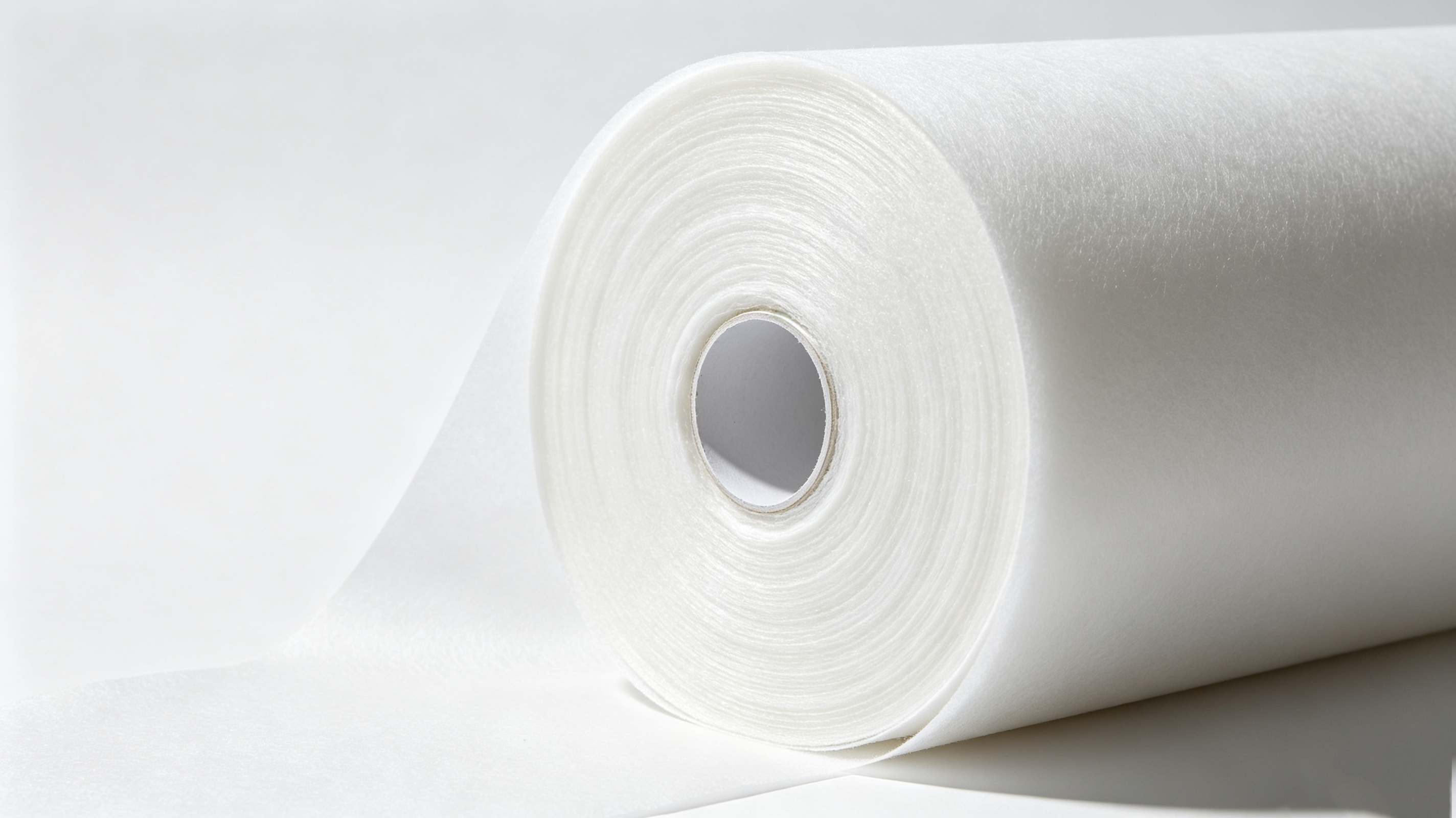
1. What Is PP Nonwoven Fabric?
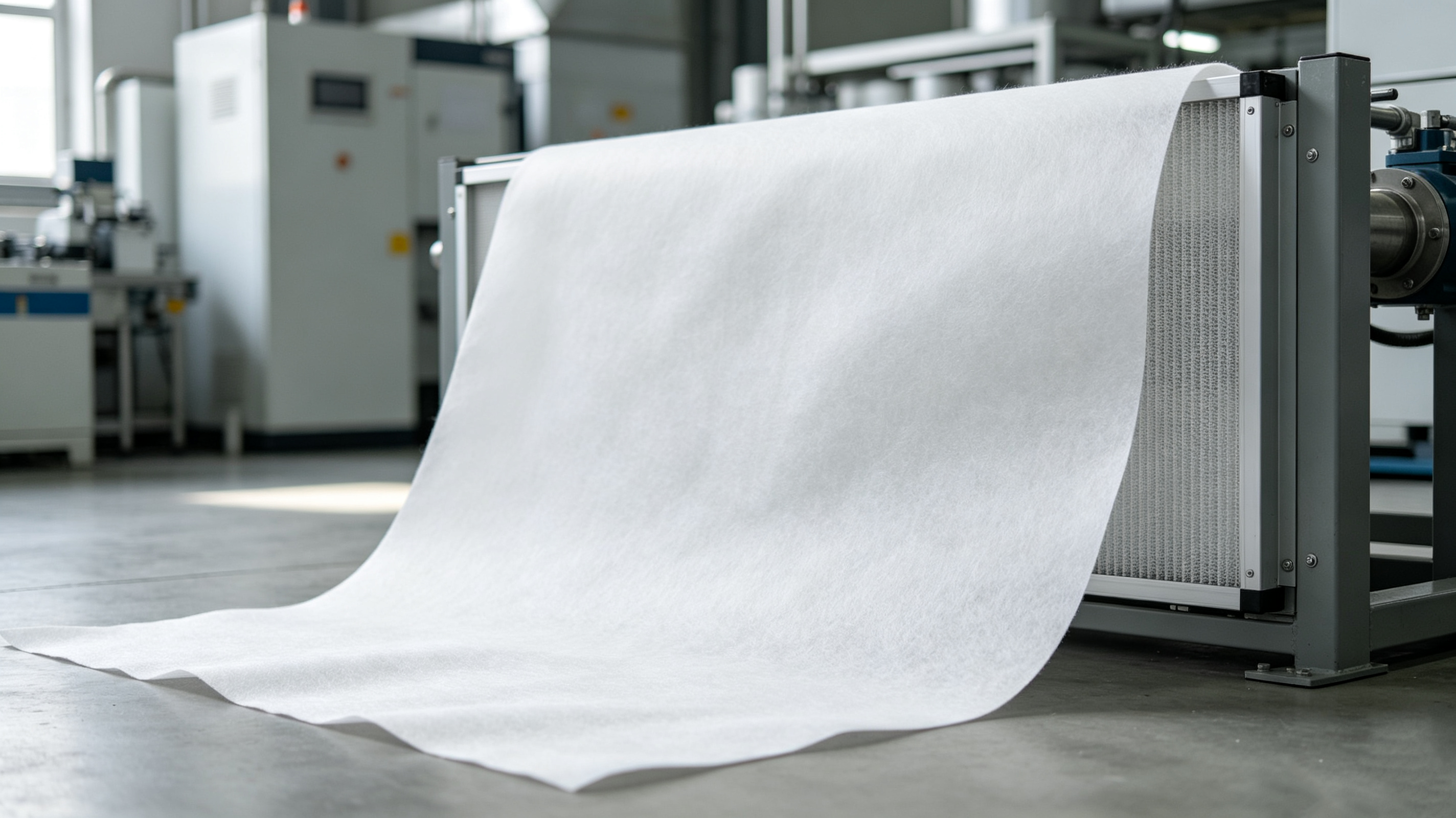
PP nonwoven fabric is a fiber-structured material made from 100% polypropylene resin. Its fiber network is formed by spinning, web-forming and thermal bonding, featuring a porous, lightweight and high-toughness structure. The material density is only 0.91 g/cm³, much lighter than cotton and other traditional fabrics, which greatly reduces transportation and application costs while maintaining excellent structural stability . It is not only non-toxic and odor-free but also compliant with international safety standards, suitable for direct human skin contact and food-grade auxiliary scenarios .
2. Core Properties of PP Nonwoven Fabric
The widespread popularity of PP nonwoven fabric stems from its superior comprehensive performance, covering durability, safety, environmental protection and practicability:
-
Lightweight & High Strength: Low density brings ultra-light weight, while the thermally bonded fiber structure ensures stable tensile and tear strength. Its specification ranges from 10GSM to 200GSM, which can be customized for lightweight disposable products and heavy-duty industrial materials .
-
Excellent Breathability & Barrier Performance: The unique microporous structure allows air and water vapor to circulate freely, ensuring good air permeability. Meanwhile, it can block liquid splashing, achieving a perfect balance of “breathable and waterproof” — a core advantage for medical and hygiene products .
-
Hydrophobic & Moisture-Proof: PP fiber has almost zero water absorption with a moisture regain rate of only 0.03%. It is not easy to mildew or deform in humid environments and dries quickly, suitable for long-term storage and outdoor use .
-
Chemical & Corrosion Resistance: It has stable tolerance to most acids, alkalis and organic solvents, will not be corroded or degraded easily, and maintains stable performance in harsh industrial environments .
-
Wide Temperature Adaptability: It can work stably in the temperature range of -40°C to 100°C without embrittlement or softening failure, adapting to various extreme application scenarios .
-
Eco-Friendly & Recyclable: 100% pure polypropylene material is recyclable, with low production waste and no harmful substances released during use, meeting global sustainable manufacturing and green environmental protection standards .
-
Customizable & Cost-Effective: It supports customized width, thickness, color and gram weight. The efficient production process greatly reduces unit cost, making it ideal for large-batch industrial applications .
3. Mainstream Applications of PP Nonwoven Fabric
Relying on diversified performance advantages, PP nonwoven fabric has penetrated multiple core industries, becoming an indispensable basic material:
3.1 Medical & Hygiene Industry
This is the largest application field of PP nonwoven fabric. Food-grade and medical-grade PP nonwoven fabric is non-irritating to the skin, with good barrier and breathable properties. It is widely used in disposable face masks, surgical gowns, medical drapes, sterile bed sheets, baby diapers, sanitary napkins and adult incontinence products. It effectively isolates bacteria and liquids while ensuring wearing comfort .
3.2 Industrial Filtration & Protection
With uniform pore size and stable filtration performance, PP nonwoven fabric is used for air filtration, liquid filtration, dust removal cloth bags and industrial filter materials. Its chemical resistance makes it suitable for filtering corrosive liquids in chemical plants, effectively intercepting impurities and improving industrial filtration efficiency .