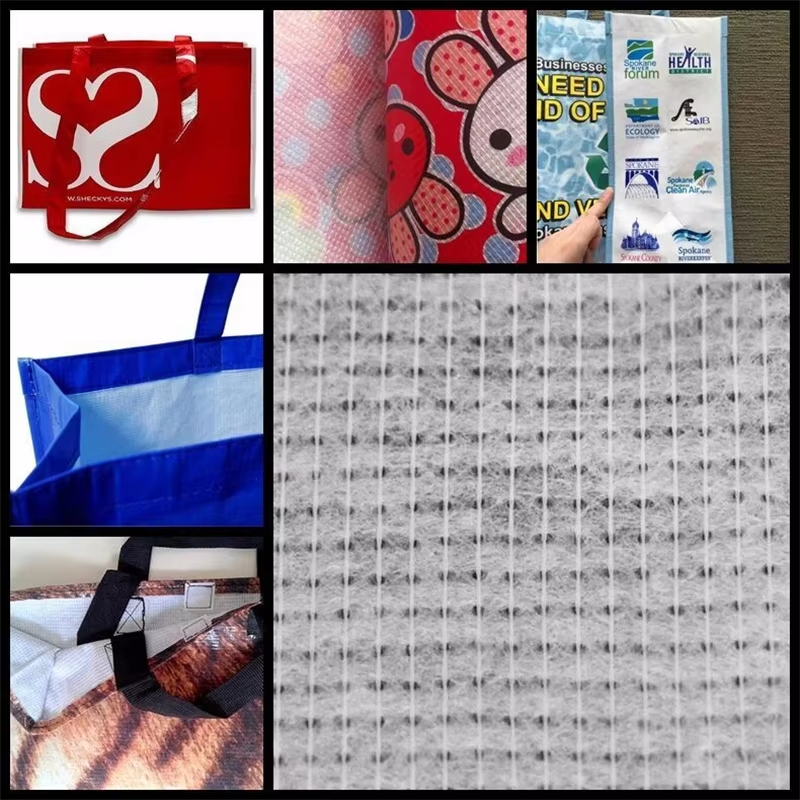
In the evolving world of technical textiles, Stitchbond nonwoven fabric has emerged as a high-performance hybrid material that bridges the gap between traditional nonwovens and woven textiles. Combining mechanical stitching technology with nonwoven web formation, Stitchbond fabrics deliver exceptional strength, durability, and cost-efficiency for industrial, commercial, and residential applications.
What Is Stitchbond Nonwoven Fabric?
Stitchbond (also known as stitch-bonded nonwoven) is a specialized nonwoven material produced by mechanically stitching fiber webs together with continuous yarns—rather than relying on chemical adhesives, thermal bonding, or needle punching alone.
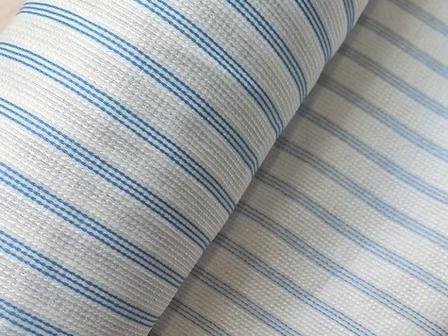
This innovative process creates a reinforced fabric structure where warp knitting needles interlock yarns through a loose fiber web (typically polyester, polypropylene, or blended fibers), forming a stable, grid-like internal framework. The result is a unique material that exhibits the lightweight versatility of nonwovens with the tensile strength and dimensional stability of woven textiles.
How Stitchbond Fabric Is Made
The production process integrates nonwoven web formation with warp knitting technology:
- Fiber Web Creation: Short or long fibers (polyester, polypropylene, viscose, etc.) are formed into a uniform, loose web via carding or air-laying.
- Stitch Bonding: Specialized Maliwatt machines insert stitching yarns through the fiber web, creating interlocked loops that mechanically bind the fibers together.
- Finishing (Optional): Fabrics may undergo coating, lamination, dyeing, printing, or water-repellent treatment to enhance specific properties.
Key Advantages of Stitchbond Nonwoven Fabric
1. Superior Mechanical Strength
The stitched yarn network distributes stress evenly across the material, delivering exceptional tear resistance, tensile strength, and load-bearing capacity—far exceeding standard spunbond or needle-punched nonwovens. This dimensional stability prevents stretching or deformation under heavy use.
2. Eco-Friendly & Binder-Free
Unlike chemically bonded nonwovens, Stitchbond uses no chemical adhesives, making it low-emission, non-toxic, and environmentally safe. Many variants use recycled polyester (rPET), supporting sustainable manufacturing goals.
3. Breathable & Flexible
Despite its strength, the porous stitch structure maintains excellent air permeability and moisture transfer. The fabric remains flexible and drapeable, ideal for applications requiring both durability and comfort.
4. Cost-Effective Performance
Stitchbond offers lower production costs than woven fabrics while matching or exceeding their performance in many use cases. High-speed manufacturing and material efficiency make it economical for large-scale orders.
5. Highly Customizable
Properties can be tailored by adjusting:
- Fiber types (polyester, polypropylene, fiberglass)
- Stitch density & pattern
- Weight (GSM: 80–300g)
- Width, color, and functional finishes (waterproof, flame-retardant, UV-stabilized)
Primary Applications Across Industries
🏗️ Construction & Building
- Roofing underlayment & house wrap
- Insulation reinforcement layers
- Geotextiles for soil stabilization
- Wall coverings & acoustic insulation
🚗 Automotive
- Headliners & door panel inserts
- Seat backings & insulation layers
- Trunk liners & sound-dampening materials
🛋️ Home Textiles
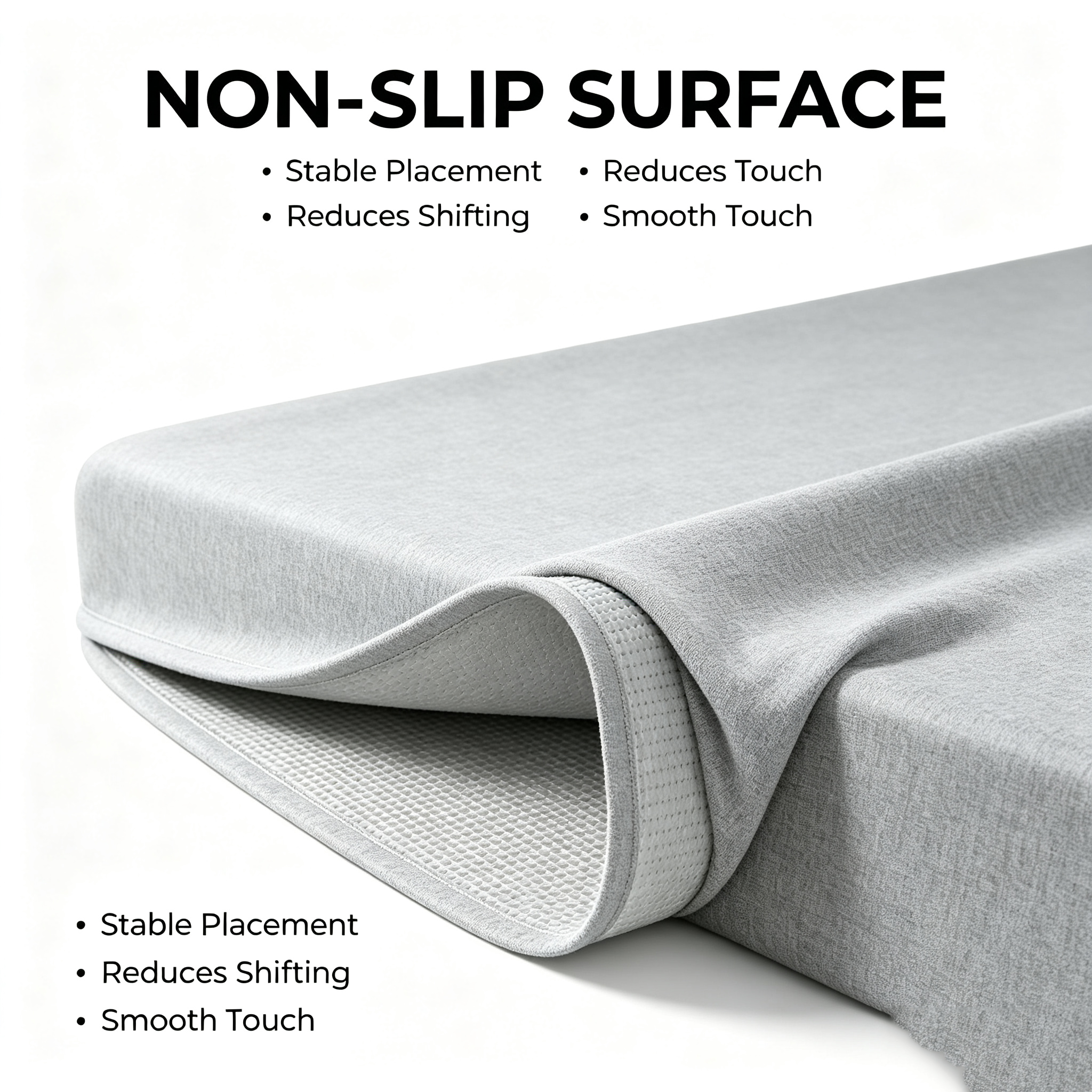
- Mattress covers & furniture upholstery backings
- Sofa linings & cushion fillers
- Carpet underlays & wall fabric substrates
🛍️ Packaging & Bags
- Reusable shopping bags & promotional totes
- Industrial packaging liners
- Durable gift bags & protective wraps
🏭 Industrial & Technical
- Filtration media
- Composite reinforcement fabrics
- Protective apparel & workwear
- Conveyor belts & agricultural ground covers