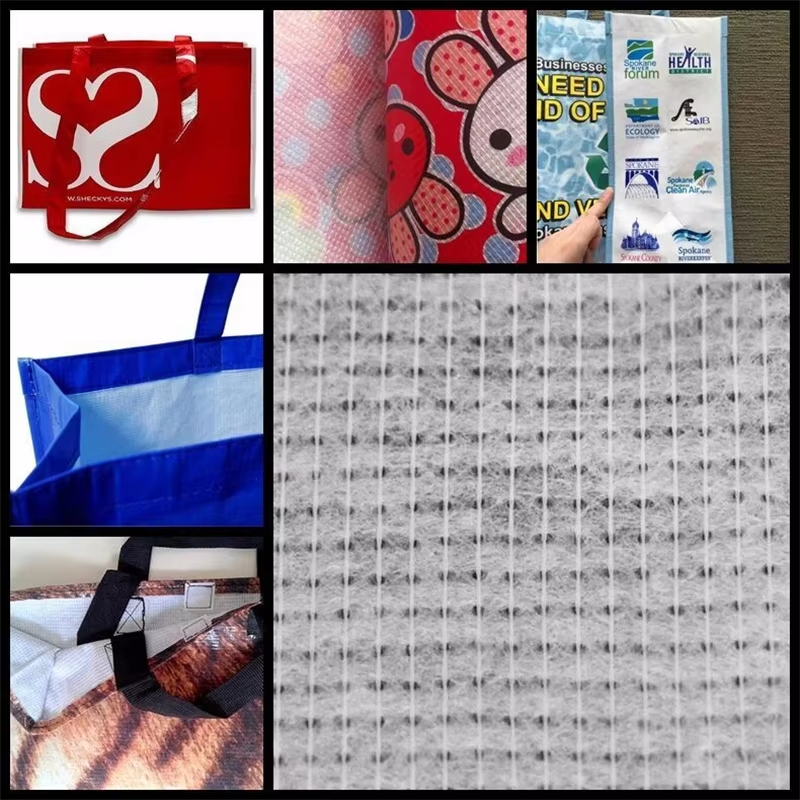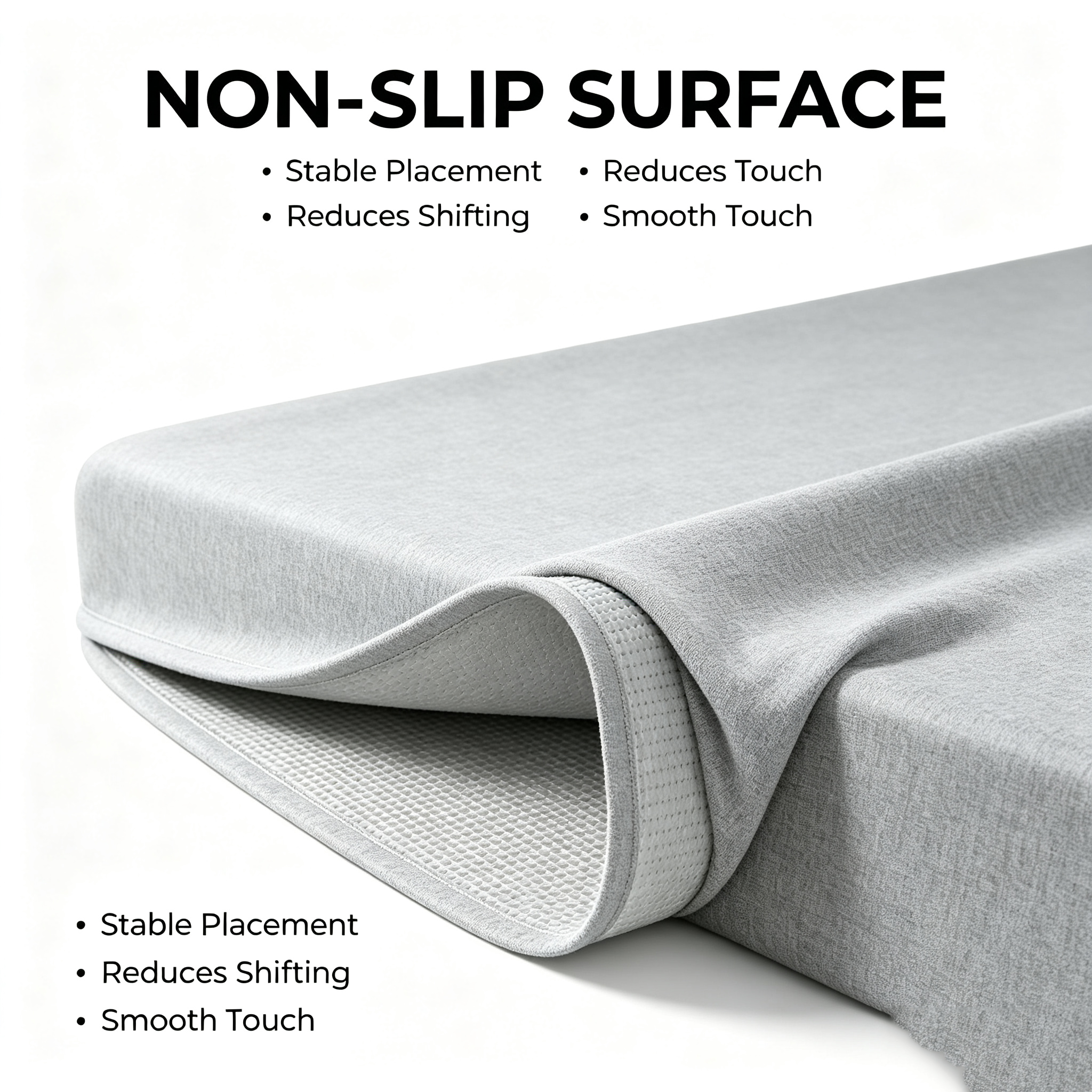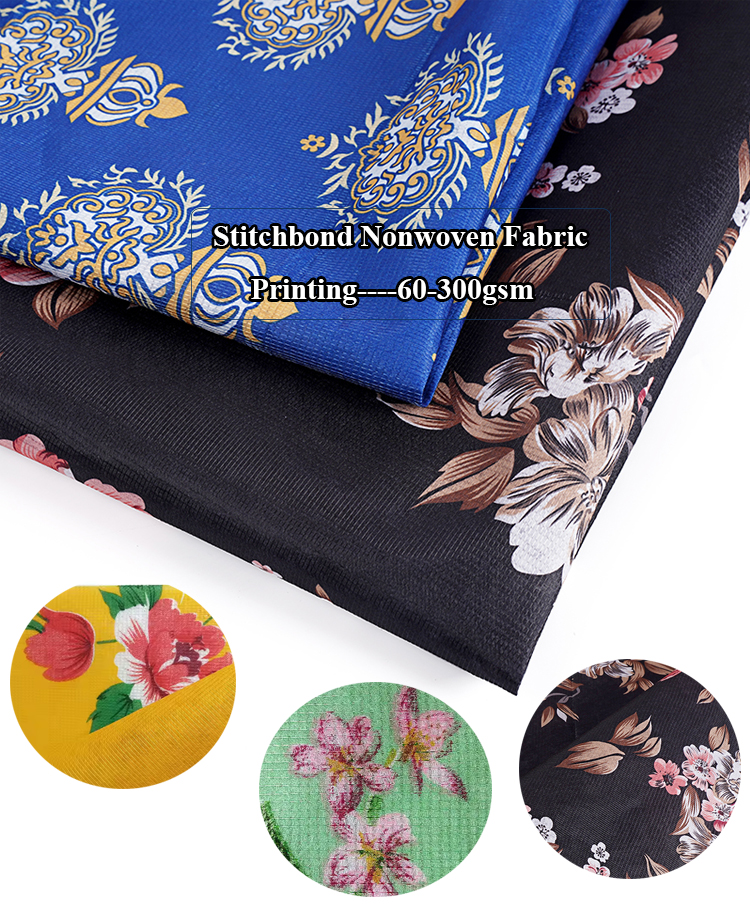
The automotive industry is continuously seeking materials that are lightweight, durable, cost-effective, and environmentally friendly. Among various automotive textile solutions, Stitchbond fabric has become a preferred material for automotive interior applications due to its excellent strength, dimensional stability, and versatile performance.
From trunk linings and door panels to headliners and seat backing materials, Stitchbond nonwoven fabric provides reliable support for modern vehicle interior systems.
For automotive OEMs, Tier 1 suppliers, and interior component manufacturers, sourcing high-quality Stitchbond fabric for automotive interiors is essential for improving product quality and manufacturing efficiency.
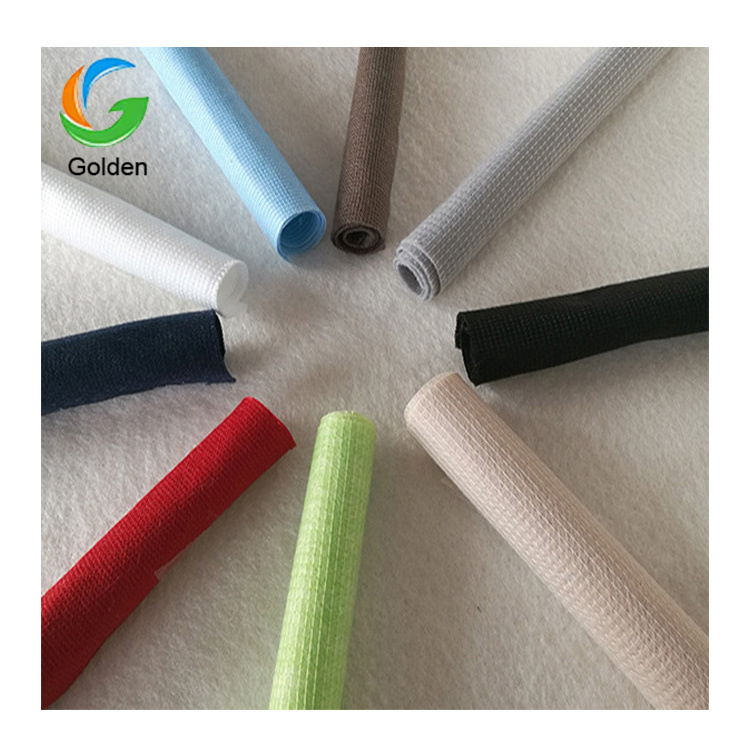
What Is Stitchbond Fabric?
Stitchbond fabric is a reinforced nonwoven material produced by mechanically stitching fiber webs together using polyester yarns.
Compared with traditional nonwoven fabrics, Stitchbond offers:
- High tensile strength
- Excellent tear resistance
- Lightweight construction
- Good dimensional stability
- Cost-effective production
These properties make it an ideal material for automotive interior components.
Why Stitchbond Is Used in Automotive Interiors
1. Lightweight Vehicle Design
Automotive manufacturers are constantly reducing vehicle weight to improve:
- Fuel efficiency
- EV driving range
- Overall vehicle performance
Stitchbond fabric provides strong support while maintaining a lightweight structure.
2. Excellent Durability
Vehicle interiors experience daily wear and stress.
Stitchbond fabric offers:
- Long-term structural stability
- Resistance to tearing
- Improved durability under continuous use
This helps extend the lifespan of interior components.
3. Cost-Effective Manufacturing
Compared with woven textiles and other reinforcement materials, Stitchbond delivers excellent performance at a competitive cost.
Benefits include:
- Reduced production costs
- High-volume manufacturing efficiency
- Stable product quality
4. Easy Processing
Stitchbond fabric can be easily:
- Cut
- Laminated
- Molded
- Bonded
Making it suitable for automated automotive production lines.
5. Eco-Friendly Material Options
Manufacturers increasingly choose RPET Stitchbond fabric, made from recycled PET bottles, to support sustainable automotive production.
This helps brands achieve:
- Environmental targets
- Sustainable sourcing requirements
- Green manufacturing initiatives
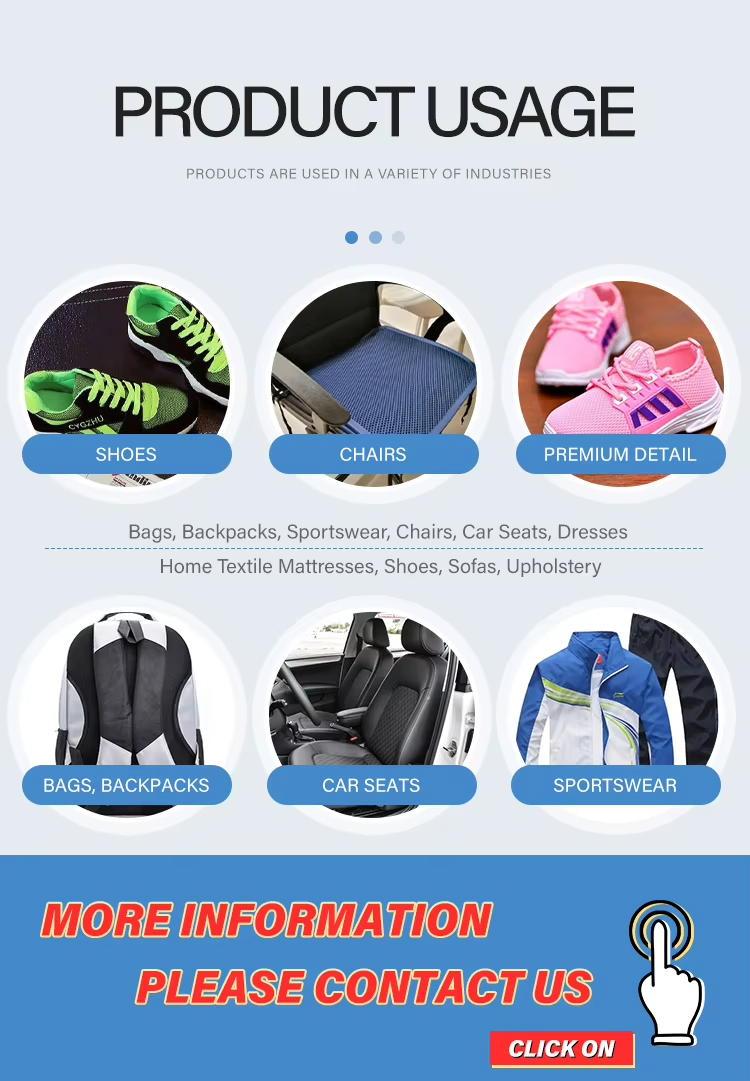
Main Applications of Stitchbond in Automotive Interiors
🚗 Trunk Lining
One of the most common applications.
Used for:
- Cargo compartment lining
- Trunk floor coverings
- Storage area protection
🚗 Door Panel Reinforcement
Provides structural support for automotive door panels while maintaining lightweight performance.
🚗 Seat Backing Material
Used behind vehicle seats to improve durability and shape stability.
🚗 Headliner Support
Stitchbond can serve as a reinforcement layer in automotive roof lining systems.
🚗 Acoustic & Insulation Components
Suitable for:
- Noise reduction systems
- Interior insulation layers
- Vibration control components