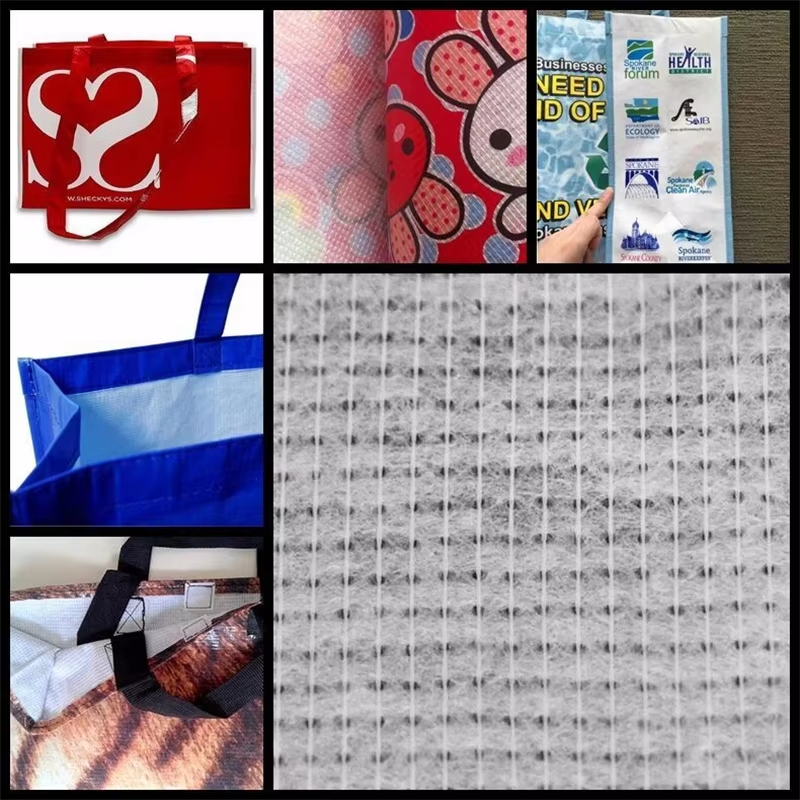
In the dynamic world of footwear manufacturing, the pursuit of materials that balance durability, comfort, flexibility, and sustainability never stops. Among the innovative solutions transforming the industry, stitchbond fabric has emerged as a standout choice for shoe brands and manufacturers worldwide. More than just a fabric, stitchbond for shoes is a versatile, high-performance material that redefines the standards of quality, functionality, and eco-friendliness in modern footwear production. Whether you’re crafting athletic sneakers, casual loafers, or durable work shoes, stitchbond fabric delivers unmatched benefits that elevate both the production process and the end-user experience.
What Is Stitchbond Fabric for Shoes?
Stitchbond (also known as stitch-bonded nonwoven fabric) is a specialized nonwoven material crafted by stitching layers of fibers together—eliminating the need for traditional weaving or knitting processes. This unique manufacturing method creates a fabric that combines the strength of woven materials with the flexibility and lightweight properties of nonwovens, making it perfectly suited for the diverse demands of footwear design. Unlike conventional fabrics, stitchbond for shoes is engineered to be resilient yet adaptable, able to withstand the rigors of daily wear while maintaining a comfortable, breathable feel.
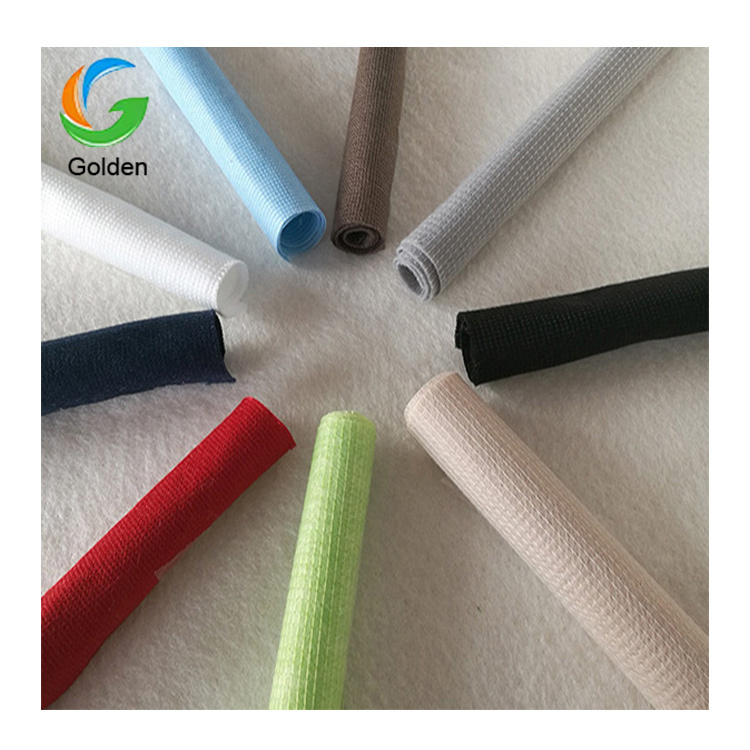
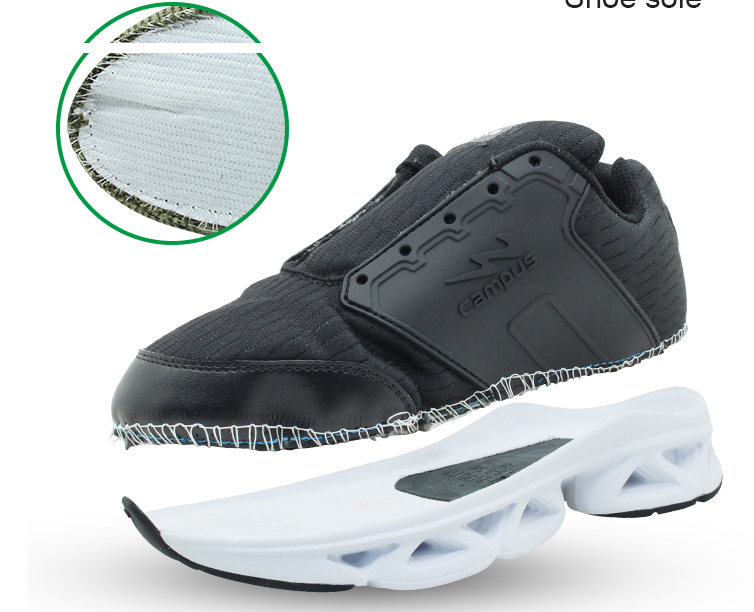
Commonly referred to as strobel fabric in the footwear industry (named after the strobel sewing machine used to attach shoe uppers to soles), stitchbond fabric is available in a range of compositions—most commonly 100% polyester or recycled polyester (RPET)—and can be customized to meet specific design and performance requirements. Its structure is defined by precise stitching patterns that reinforce the fabric, ensuring it retains its shape and integrity even with prolonged use.
How Is Stitchbond Fabric Made for Footwear?
The production of stitchbond for shoes is a streamlined, efficient process that sets it apart from traditional fabric manufacturing. It begins with layers of fibers (often polyester, RPET, or blended materials) that are laid out to form a fibrous batt. A specialized stitching machine then penetrates these layers with needles, creating interlocking stitches that bind the fibers together into a cohesive fabric. This stitching process eliminates the need for adhesives or additional bonding agents, resulting in a material that is both strong and lightweight.
Key aspects of the manufacturing process include customizable thickness (ranging from 0.8mm to 2.5mm), weight (65-300 gsm), and stitching patterns—all of which can be tailored to suit the specific needs of different shoe components. The process is also highly efficient, with high productivity and lower costs compared to weaving or knitting, as it avoids the spinning costs associated with traditional yarn-based fabrics.
Why Choose Stitchbond for Your Footwear Line?
Stitchbond fabric offers a unique blend of benefits that address the most critical needs of footwear manufacturers and consumers alike. Here’s why it’s becoming the material of choice for forward-thinking brands:
1. Unmatched Durability & Wear Resistance
One of the primary advantages of stitchbond for shoes is its exceptional durability. The interlocked stitching reinforces the fabric, making it highly resistant to abrasion, tearing, and punctures—ideal for high-traffic shoe components like uppers, linings, and insoles. Unlike weaker nonwovens, stitchbond fabric maintains its structure even with repeated bending, stretching, and daily wear, reducing the need for frequent replacements and enhancing the lifespan of the shoe. This durability also translates to cost savings for manufacturers, as it minimizes material waste and improves production efficiency.
2. Lightweight & Flexible Comfort
Comfort is non-negotiable in footwear, and stitchbond fabric delivers in spades. Its nonwoven structure is inherently lightweight, reducing the overall weight of the shoe and minimizing fatigue for the wearer during prolonged use. Additionally, the fabric’s flexibility allows it to mold to the shape of the foot, providing a snug, comfortable fit without restricting movement—making it perfect for athletic shoes, casual footwear, and work shoes where mobility is key. The stitchbond design also ensures the fabric remains soft to the touch, enhancing the wearer’s comfort all day long.