In the competitive footwear industry, choosing the right material is the key to creating products that stand out in terms of durability, comfort, and sustainability. Stitchbond fabric has emerged as a game-changer for shoe manufacturers, offering a unique combination of strength, flexibility, and eco-friendliness that aligns with modern consumer demands and production efficiency. Whether you’re crafting athletic sneakers, casual loafers, or work boots, stitchbond for shoes delivers consistent performance that elevates both the quality of your footwear and your brand’s reputation.
What Is Stitchbond Fabric for Shoes?
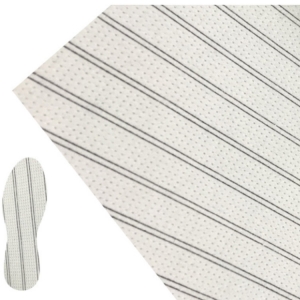
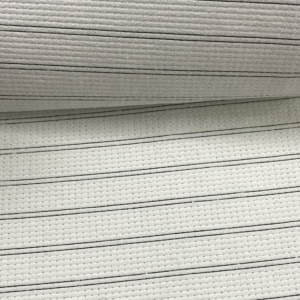
Stitchbond is a specialized nonwoven fabric crafted by mechanically stitching layers of fibers together, eliminating the need for traditional weaving or knitting processes. Unlike chemically bonded nonwovens that rely on adhesives, stitchbond achieves its structural integrity through high-speed stitching, resulting in a material that is both lightweight and remarkably durable. For footwear applications, this fabric is typically made from high-quality polyester—often recycled PET from plastic bottles—making it an eco-conscious choice for brands prioritizing sustainability.
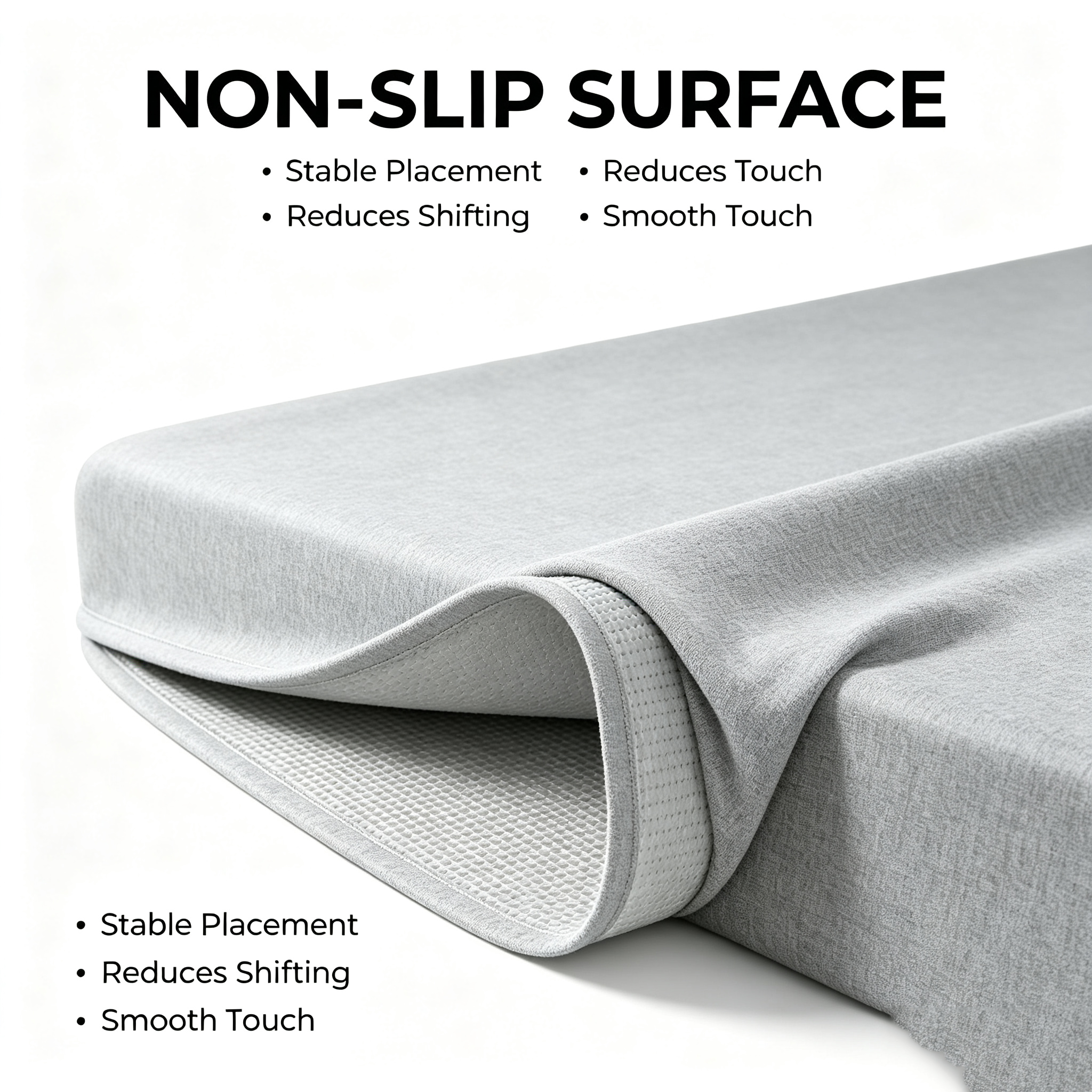
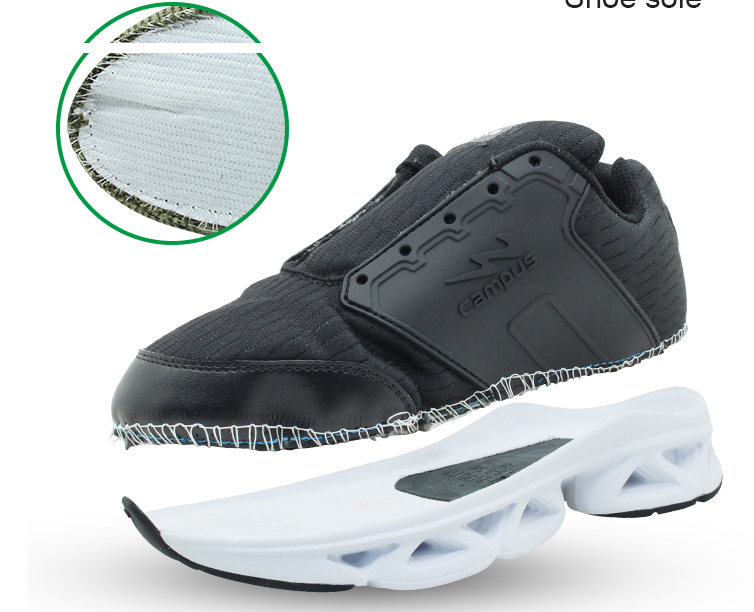
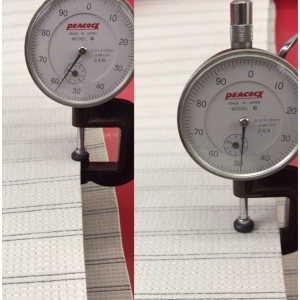
Designed specifically to meet the rigorous demands of shoe manufacturing, stitchbond for shoes balances rigidity and flexibility, adapting to the contours of the foot while maintaining its shape even with frequent use. Its versatility allows it to be customized in terms of thickness (ranging from 0.8mm to 1.2mm), color, and texture—from soft and pliable to stiff and supportive—making it suitable for nearly every shoe component.
How Is Stitchbond Fabric Made for Footwear?
The production process of stitchbond for shoes is efficient, sustainable, and focused on delivering consistent quality. Here’s a simplified breakdown of how it’s made:
-
Fiber Preparation: High-quality fibers—most commonly recycled polyester (rPET)—are sorted, cleaned, and processed into loose fiber webs. This step prioritizes sustainability, as recycled fibers reduce waste and energy consumption compared to virgin materials.
-
Stitching & Bonding: The fiber webs are fed into high-speed stitching machines, which use fine needles to interlock the fibers. This mechanical stitching creates a strong, cohesive fabric without the need for harmful adhesives or heat bonding, preserving the material’s breathability and flexibility.
-
Finishing: The stitched fabric undergoes additional treatments to enhance its performance for footwear use, such as water-resistant coatings, anti-microbial finishes, or color dyeing (with colorfast pigments that resist fading even with frequent washing).
-
Customization: The finished fabric is cut to size and adjusted to meet specific shoe design requirements—whether it’s a thin, flexible layer for linings or a thicker, stiffer sheet for insoles and midsoles.
This streamlined process not only reduces production costs but also minimizes environmental impact, making stitchbond a sustainable alternative to traditional shoe materials like leather or woven fabrics.
Key Benefits of Stitchbond for Shoes
Stitchbond fabric offers a range of advantages that make it ideal for footwear manufacturing, addressing the needs of both manufacturers and consumers. Here are the most notable benefits:
1. Exceptional Durability & Wear Resistance
The mechanical stitching of stitchbond fabric creates a strong, tear-resistant structure that can withstand the daily wear and tear of footwear. It resists abrasion, punctures, and stretching, ensuring that shoes maintain their shape and integrity even after months of use. This durability reduces the need for frequent replacements, making it a cost-effective choice for manufacturers and a long-lasting option for consumers.
2. Lightweight & Comfortable
Unlike heavy materials like leather or thick woven fabrics, stitchbond is lightweight, reducing the overall weight of the shoe and enhancing wearer comfort during prolonged use. Its flexible structure conforms to the foot’s natural movement, reducing pressure points and providing all-day comfort—making it perfect for athletic shoes, casual footwear, and work boots alike.
3. Superior Breathability & Moisture Management
Stitchbond’s porous structure allows for excellent air circulation, promoting breathability that keeps feet dry and fresh. This is especially important for athletic shoes and daily wear footwear, as it prevents moisture buildup, reduces odors, and minimizes the risk of bacterial growth.