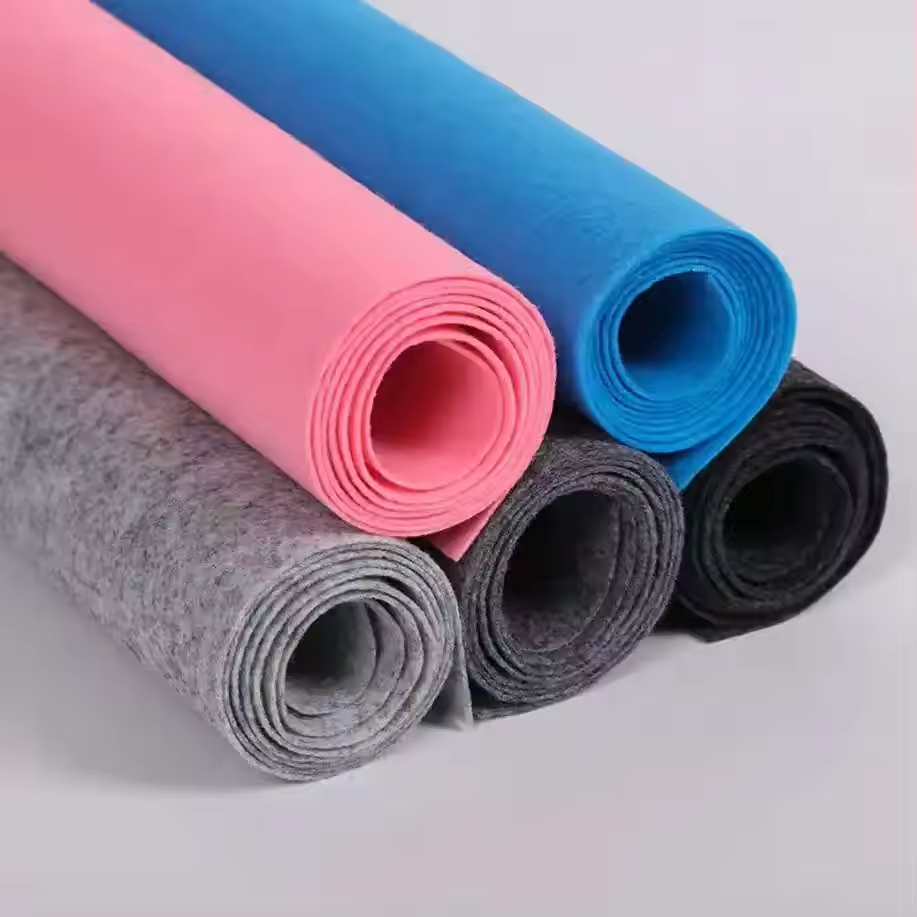
With the rapid development of industrial filtration, automotive manufacturing, and construction materials, needle punched felt has become one of the most important nonwoven materials worldwide.
Thanks to its strong mechanical structure, excellent filtration performance, and flexible customization, needle punch nonwoven fabric is widely used across multiple industries. For global buyers, choosing a reliable needle punched felt manufacturer is critical to ensuring stable quality and long-term supply.
This guide provides a complete overview of needle punched felt, including its manufacturing process, material types, technical specifications, and industrial applications.
What Is Needle Punched Felt?
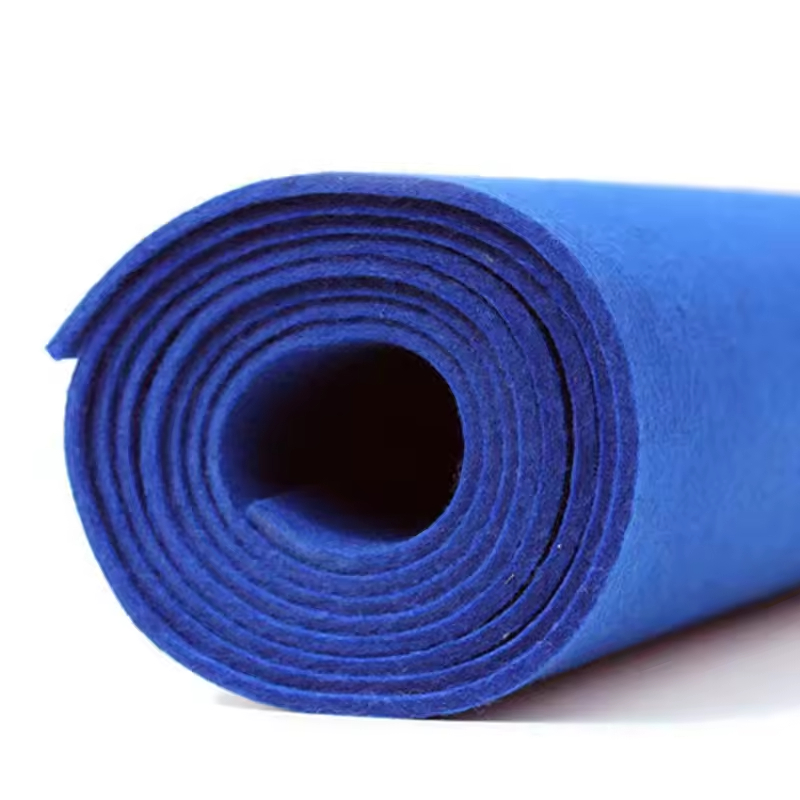
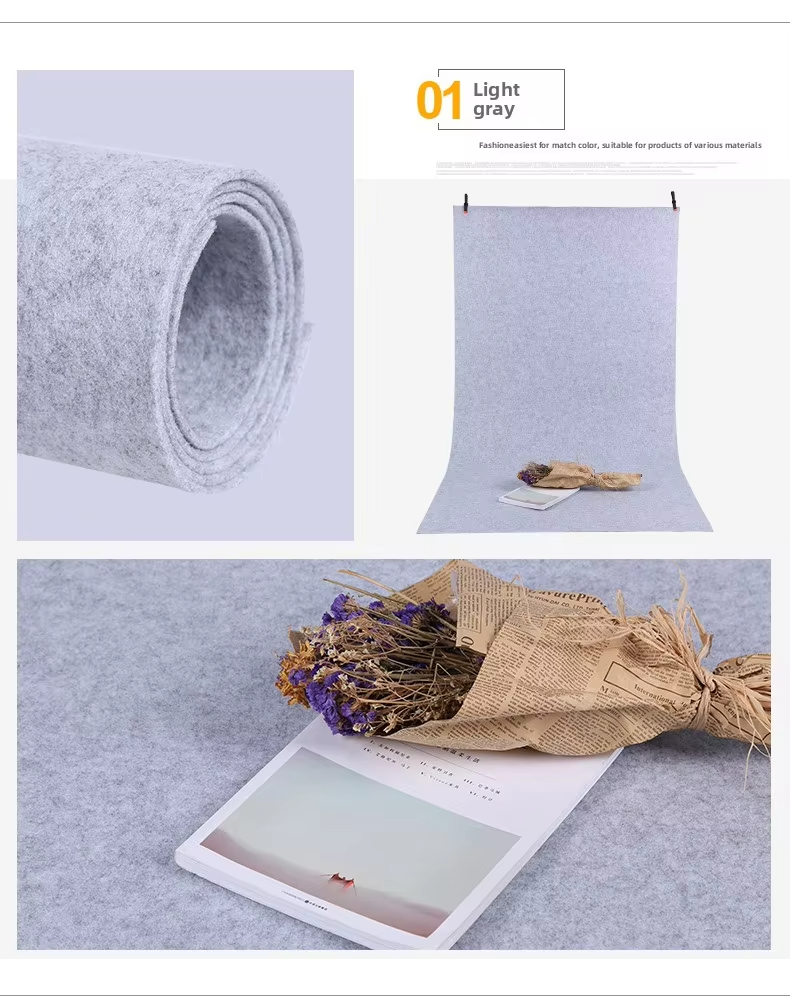
Needle punched felt is a type of nonwoven fabric produced by mechanically entangling fibers using thousands of barbed needles. During the production process, fibers are repeatedly punched and interlocked, forming a dense and durable structure.
Unlike woven textiles, needle punch felt does not rely on yarn weaving. Instead, it creates a three-dimensional fiber network that provides:
-
High tensile strength
-
Good flexibility
-
Excellent dimensional stability
Common raw materials include:
-
Polyester (PET)
-
Polypropylene (PP)
-
Viscose
-
Blended fibers
Among these, polyester needle punched felt is the most widely used due to its superior performance in industrial environments.
Manufacturing Process of Needle Punch Nonwoven
Understanding the production process helps buyers evaluate quality when sourcing from a needle punched felt manufacturer.
1. Fiber Opening & Blending
Raw fibers are opened and blended to achieve consistent composition.
2. Web Formation
Fibers are laid into a uniform web using carding or air-laying technology.
3. Needle Punching
Barbed needles repeatedly penetrate the fiber web, interlocking fibers and increasing density.
4. Heat Setting & Finishing
Optional treatments improve dimensional stability and performance.
5. Slitting & Roll Packaging
The final product is cut into rolls based on customer requirements.
Key Advantages of Needle Punched Felt
1. High Mechanical Strength
The entangled fiber structure gives needle punched felt excellent:
-
Tear resistance
-
Tensile strength
-
Load-bearing capacity
This makes it suitable for heavy-duty industrial applications.
2. Superior Filtration Performance
One of the biggest advantages of needle punch nonwoven fabric is its ability to capture fine particles.
It is widely used in:
-
Dust collector filter bags
-
Air filtration systems
-
Industrial liquid filtration
Different fiber densities allow customized filtration efficiency.
3. Thermal and Acoustic Insulation
The porous structure traps air, providing:
-
Heat insulation
-
Sound absorption
This makes needle punched felt ideal for automotive and construction industries.
4. Flexible Customization
A professional manufacturer can produce:
-
100–2000gsm weight range
-
Different thickness levels
-
Various densities and hardness
-
Surface-treated fabrics
This flexibility allows adaptation to different industrial needs.
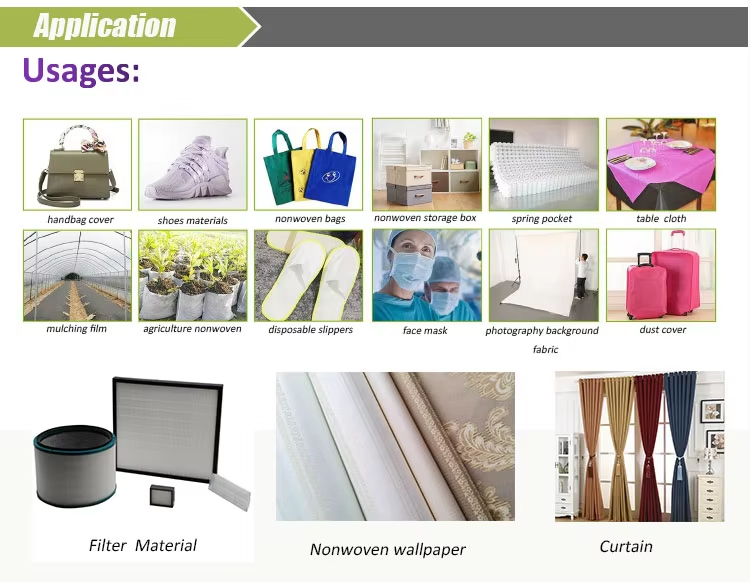
Main Applications of Needle Punched Felt
Industrial Filtration
Polyester needle punched felt is widely used in:
-
Baghouse filter systems
-
Dust collection units
-
High-temperature filtration
Automotive Industry
Used for:
-
Car interior insulation
-
Trunk lining
-
Soundproof materials
Construction & Geotextile
Needle punch felt is applied in:
-
Drainage layers
-
Soil stabilization
-
Road construction reinforcement
Furniture and Bedding
Common uses include:
-
Mattress padding
-
Sofa cushioning
-
Protective lining materials
Polyester vs Polypropylene Needle Punched Felt
Polyester Needle Punched Felt
-
Higher temperature resistance
-
Better mechanical strength
-
Suitable for filtration and industrial use
Polypropylene Needle Punched Felt
-
Lightweight
-
More economical
-
Suitable for general-purpose applications
Selecting the right material depends on performance requirements and budget.
Technical Specifications Buyers Should Evaluate
When sourcing needle punched felt, check:
-
GSM range (100–2000gsm)
-
Thickness (1mm–20mm+)
-
Fiber composition
-
Tensile strength
-
Air permeability
-
Roll width and length
A reliable needle punched felt manufacturer should provide technical data sheets and testing reports.
Custom Needle Punched Felt Solutions
OEM capabilities may include:
-
Flame-retardant treatment
-
Water-repellent finishing
-
Anti-static properties
-
UV resistance
-
Laminated or coated surfaces
-
Die-cut or custom shapes
These options ensure the product meets specific industrial requirements.
Why Global Buyers Choose Needle Punched Felt
As industries demand more durable and multifunctional materials, needle punch nonwoven offers:
-
Strong structural performance
-
Cost-efficient production
-
Wide application range
-
High customization flexibility
For filtration, automotive, and construction sectors, needle punched felt remains a key material solution.
Frequently Asked Questions
What thickness can needle punched felt reach?
It can range from thin sheets to over 20mm depending on application.
Is needle punched felt suitable for high-temperature filtration?
Yes, especially polyester needle punched felt, which offers good heat resistance.
Can needle punched felt be customized?
Yes, manufacturers can adjust weight, thickness, and surface treatments based on requirements.
Conclusion: Source High-Quality Needle Punched Felt from a Trusted Manufacturer
If your business requires high-performance nonwoven materials, needle punched felt provides an ideal balance of strength, filtration efficiency, and cost-effectiveness.
From industrial filtration to automotive insulation, needle punch felt delivers reliable performance across multiple industries.
Contact us today for bulk pricing, technical support, and customized solutions.
👉 Request a Quote for Needle Punched Felt Now