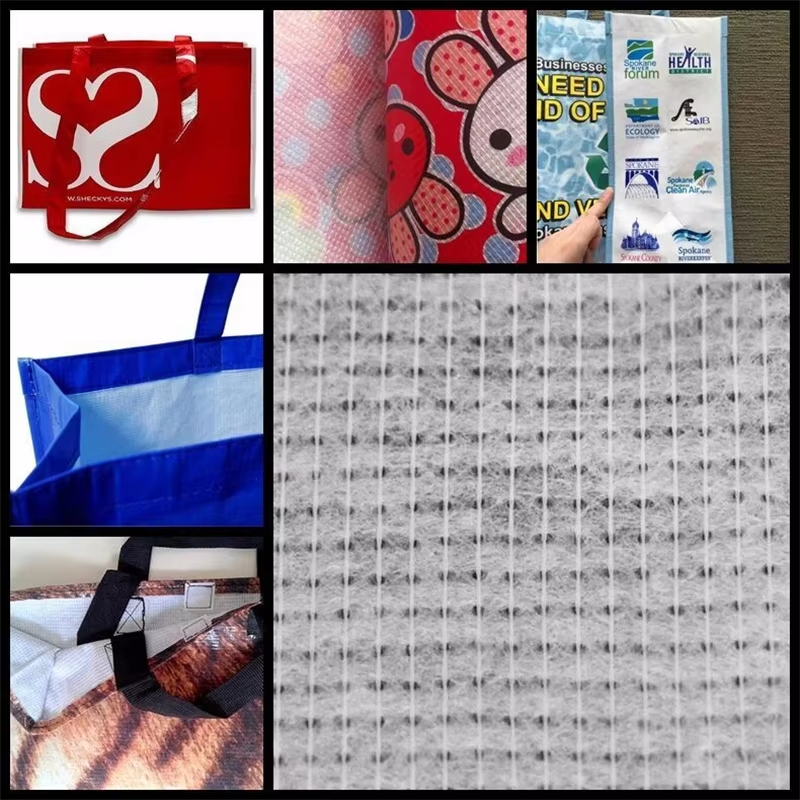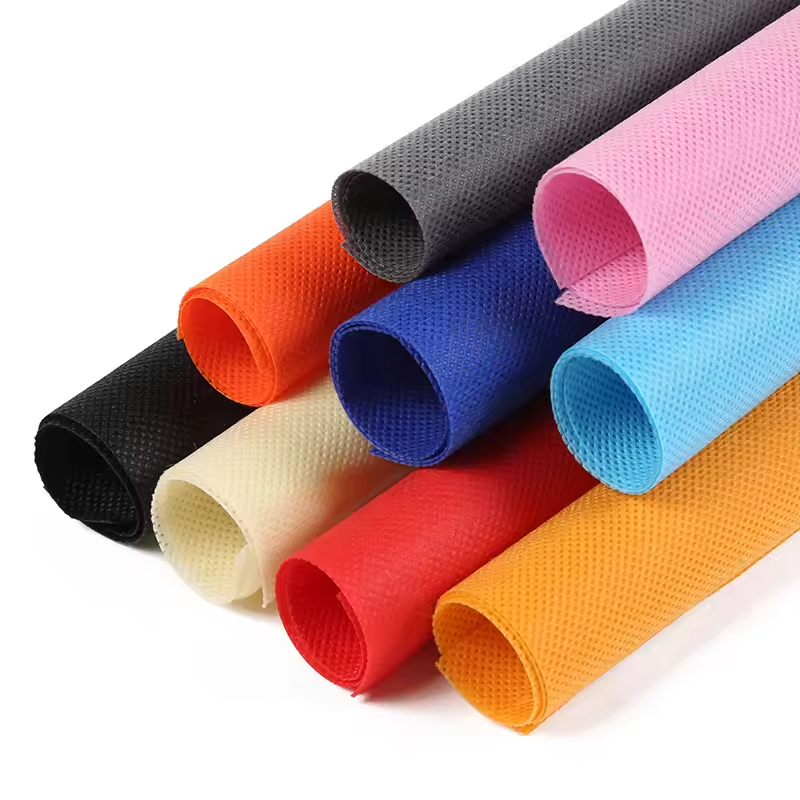
Polypropylene, commonly known as PP material, is one of the most widely used polymers in the world. Thanks to its lightweight structure, chemical resistance, and cost efficiency, polypropylene fabric plays a crucial role in industries such as packaging, medical products, agriculture, and construction.
Among all its forms, PP nonwoven fabric has become especially popular due to its versatility and scalable production.
In this guide, we will explore the properties, types, and applications of polypropylene fabric, helping you choose the right material for your business.
What Is Polypropylene (PP)?
Polypropylene (PP) is a thermoplastic polymer made from propylene monomers. It is widely used in textiles and industrial materials due to its excellent balance of performance and cost.
Key characteristics of PP material include:
-
Lightweight
-
High chemical resistance
-
Moisture resistance
-
Recyclability
-
Good mechanical strength
These properties make polypropylene one of the most important raw materials for nonwoven fabric production.
Types of Polypropylene Fabric
Polypropylene fabric can be produced using different manufacturing processes, each offering unique properties.
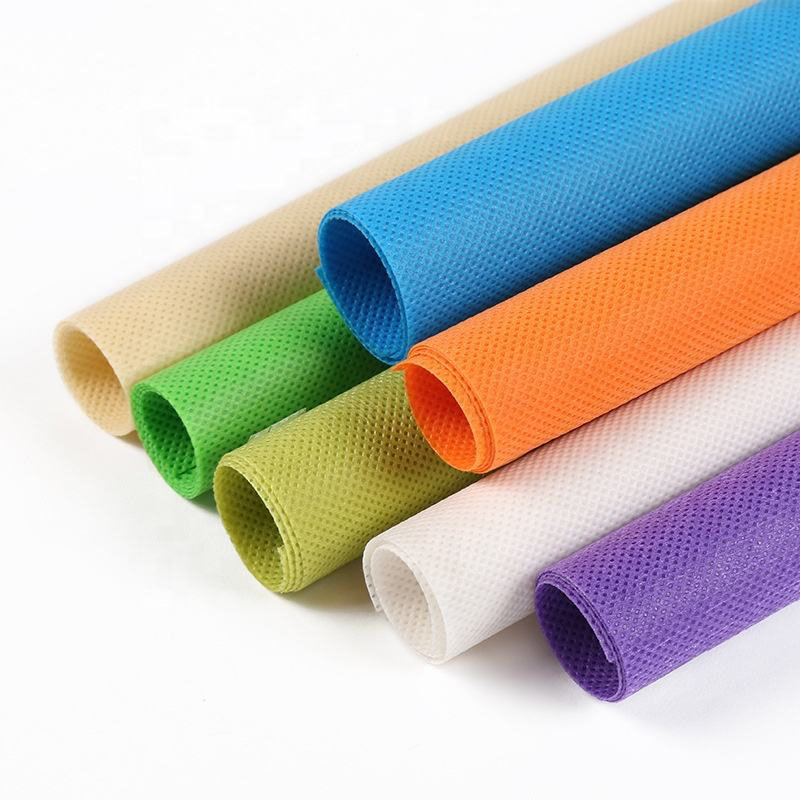
1. PP Nonwoven Fabric (Spunbond)
Spunbond polypropylene fabric is the most common type of PP nonwoven material. It is produced by extruding continuous filaments and bonding them thermally.
Features:
-
Strong and durable
-
Breathable
-
Cost-effective
-
Suitable for mass production
Applications:
-
Shopping bags
-
Medical products
-
Agriculture covers
-
Packaging materials
2. Meltblown Polypropylene Fabric
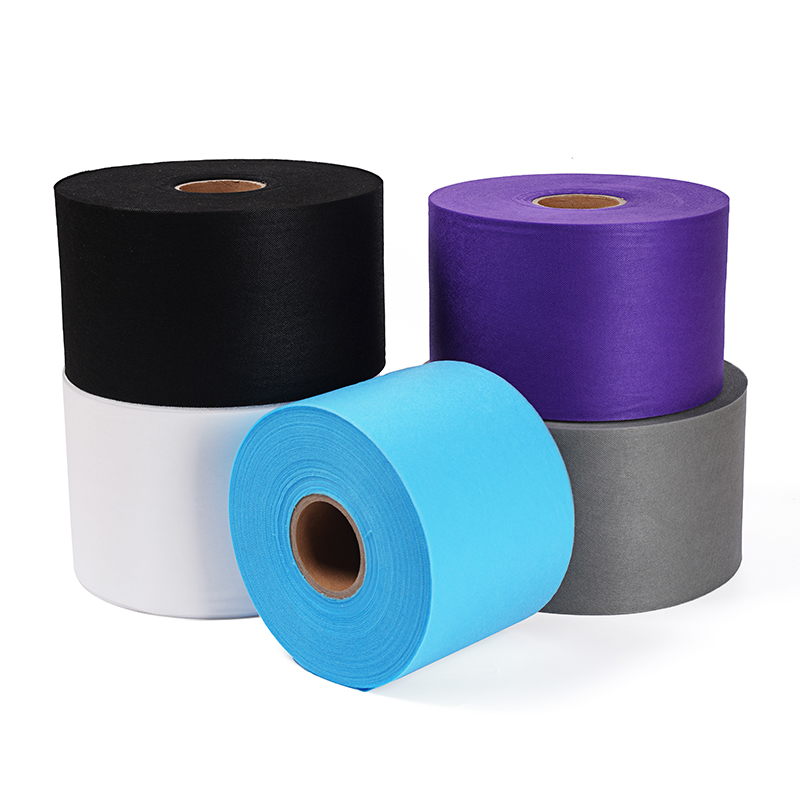
Meltblown fabric is known for its ultra-fine fiber structure and high filtration efficiency.
Features:
-
High particle filtration
-
Fine fiber diameter
-
Lightweight
Applications:
-
Face masks
-
Air filters
-
Oil absorption materials
3. Needle Punched Polypropylene Felt
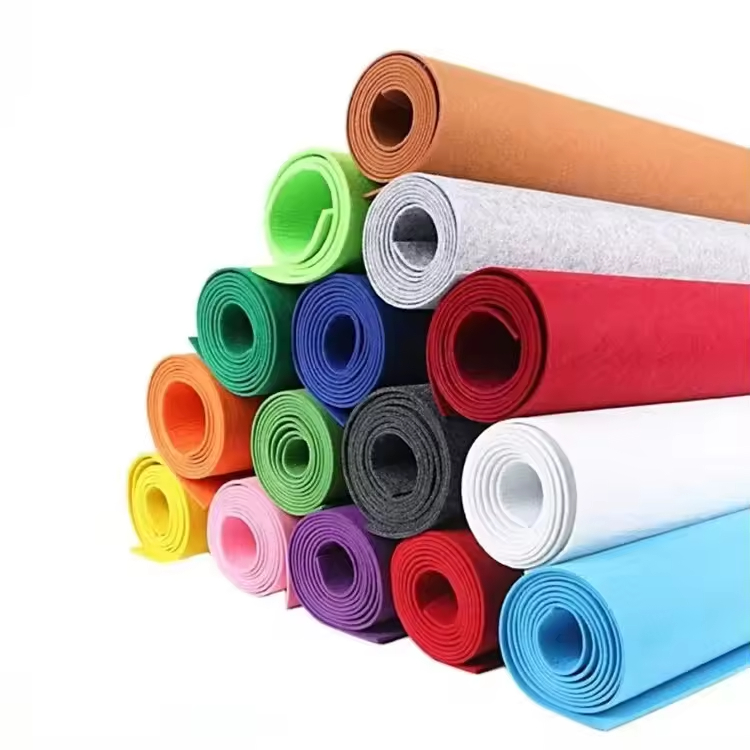
This type of PP fabric is produced by mechanical entanglement of fibers.
Features:
-
Thick and dense structure
-
Good insulation
-
Strong durability
Applications:
-
Automotive insulation
-
Geotextiles
-
Furniture padding
4. Stitchbond Polypropylene Fabric
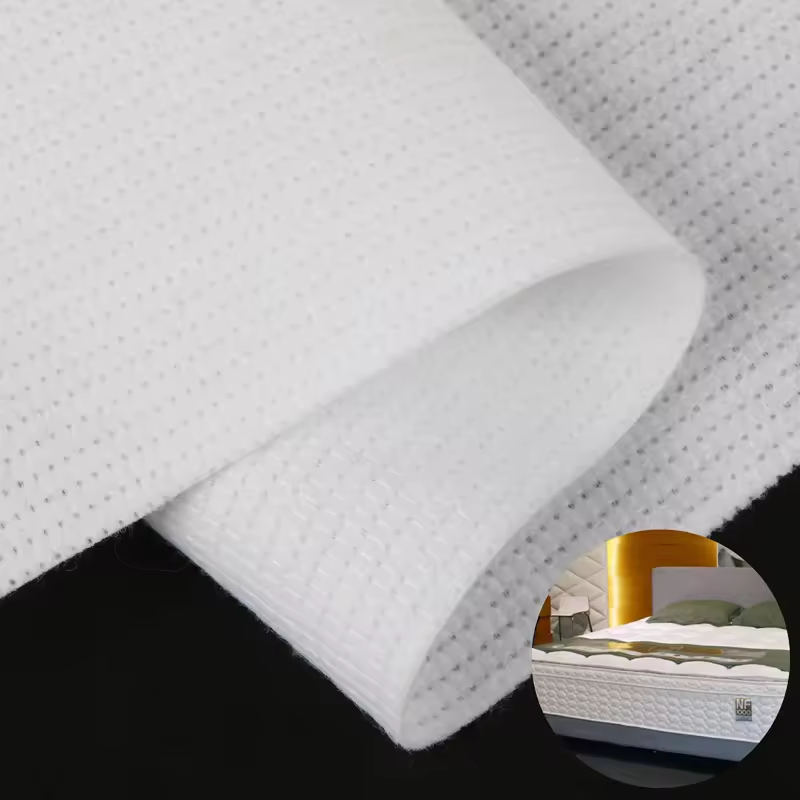
Stitchbond fabric is reinforced with stitching threads to improve strength.
Features:
-
High tensile strength
-
Reinforced structure
-
Good dimensional stability
Applications:
-
Construction materials
-
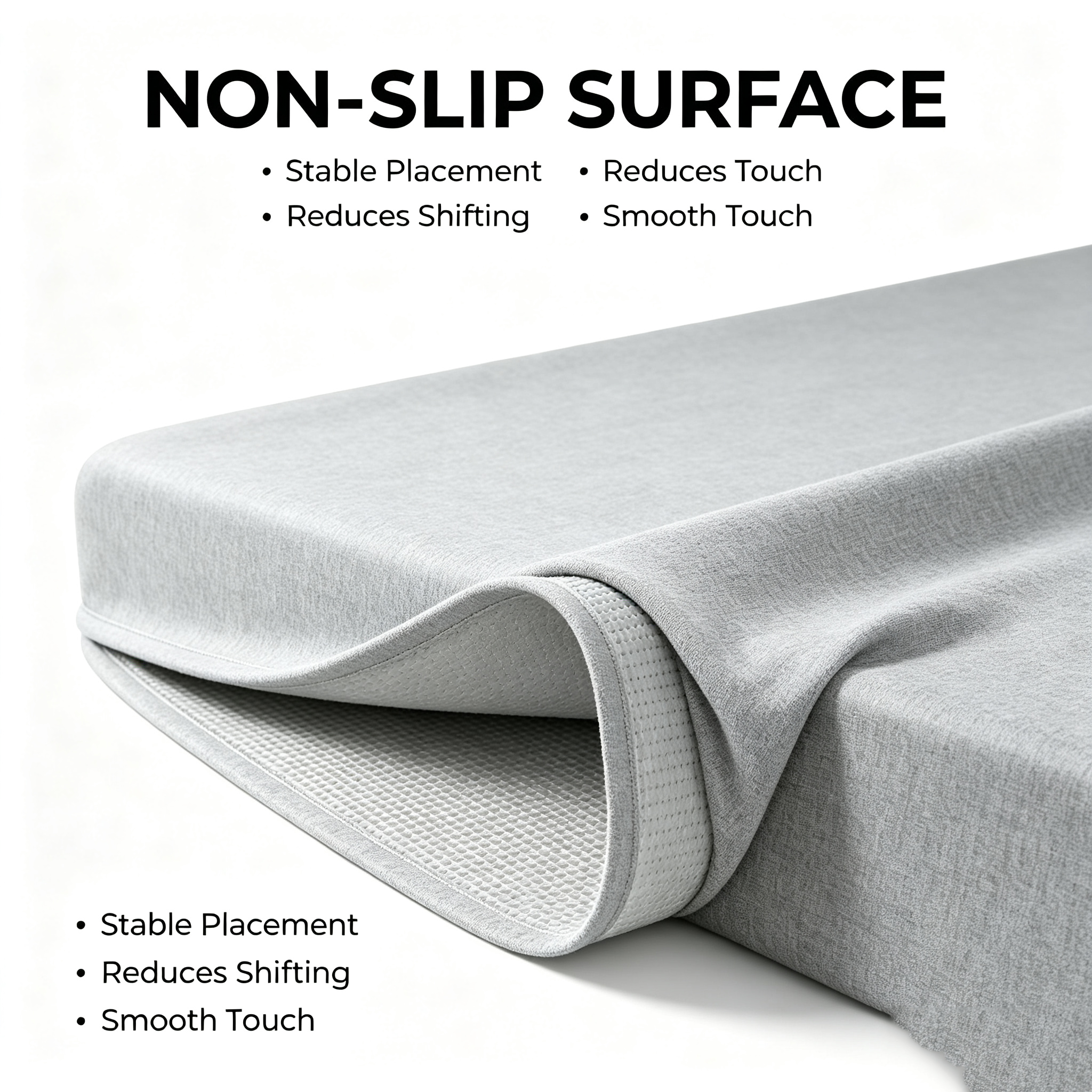
Mattress backing
-
Industrial covers
Key Advantages of Polypropylene Fabric
1. Lightweight and Cost-Effective
PP fabric is lighter than many traditional materials, reducing transportation costs and making it ideal for bulk production.
2. Excellent Chemical Resistance
Polypropylene resists acids, alkalis, and many chemicals, making it suitable for industrial environments.
3. Moisture Resistance
PP fibers do not absorb water, which makes polypropylene fabric ideal for outdoor and packaging applications.
4. Recyclable and Sustainable
PP material is recyclable, helping businesses reduce environmental impact and comply with global sustainability regulations.
Main Applications of PP Fabric
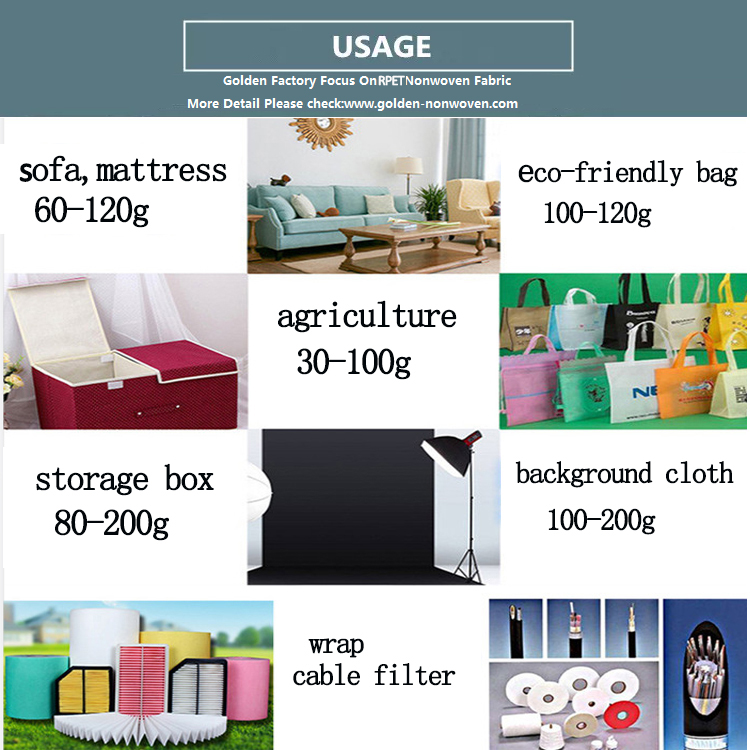
Packaging Industry
Polypropylene fabric is widely used in:
-
Nonwoven shopping bags
-
Industrial packaging
-
Protective wrapping
Medical & Hygiene Products
PP nonwoven materials are essential in:
-
Disposable masks
-
Medical gowns
-
Hygiene products
Agriculture
Used as:
-
Crop protection fabric
-
Weed control material
-
Frost covers
Construction & Industrial Use
PP fabric is applied in:
-
Insulation materials
-
Reinforcement layers
-
Geotextiles
How to Choose the Right PP Fabric
When selecting polypropylene fabric, consider:
-
Application requirements
-
Strength and durability
-
Filtration performance (if needed)
-
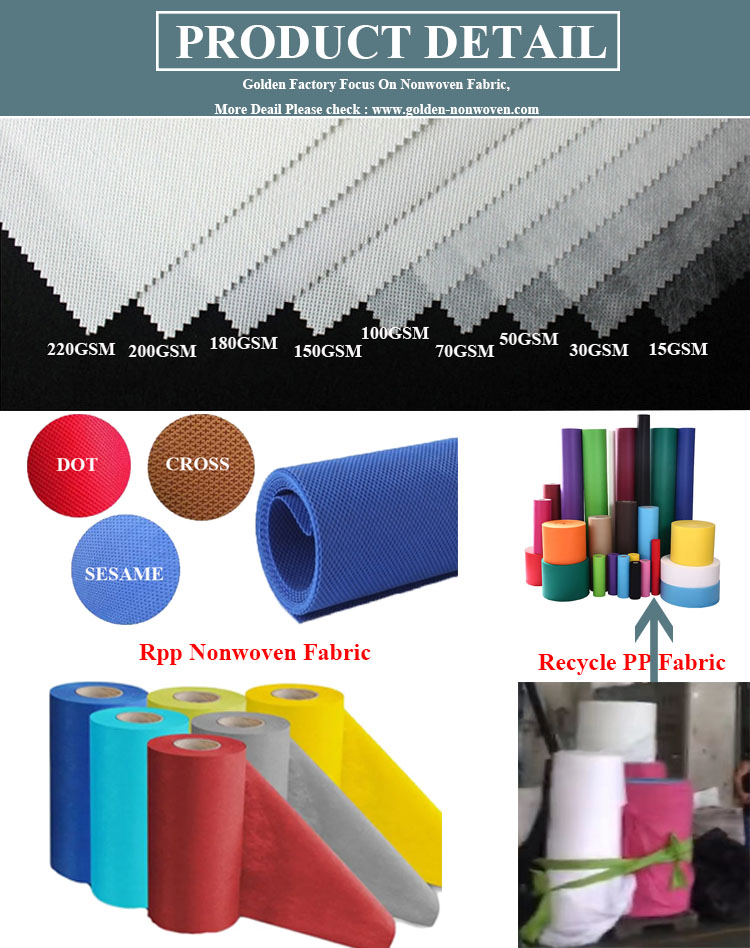
Weight (GSM)
-
Production method (spunbond, meltblown, needle punched, stitchbond)
Working with a professional supplier ensures you get the right material for your specific use.
Why Global Buyers Prefer PP Nonwoven Fabric
Among all polypropylene materials, PP nonwoven fabric stands out due to:
-
High production efficiency
-
Wide application range
-
Competitive pricing
-
Easy customization
This makes it the most commonly used polypropylene textile worldwide.
Frequently Asked Questions
Is polypropylene fabric waterproof?
Polypropylene is naturally water-resistant but not fully waterproof unless treated or laminated.
Is PP fabric eco-friendly?
PP fabric is recyclable and reusable, making it a more sustainable option compared to single-use plastics.
What is the difference between woven and nonwoven PP fabric?
Woven fabric is made by interlacing yarns, while nonwoven fabric is bonded without weaving, resulting in faster production and lower cost.
Conclusion: Polypropylene Fabric as a Versatile Industrial Material
As one of the most widely used polymers, polypropylene (PP) fabric offers unmatched versatility across multiple industries.
From PP nonwoven fabric to meltblown and needle punched materials, polypropylene continues to be a key solution for modern manufacturing and packaging needs.
If you are looking for a reliable supplier of polypropylene fabric products, contact us today for customized solutions and competitive bulk pricing.
👉 Request a Quote for Polypropylene Fabric Now