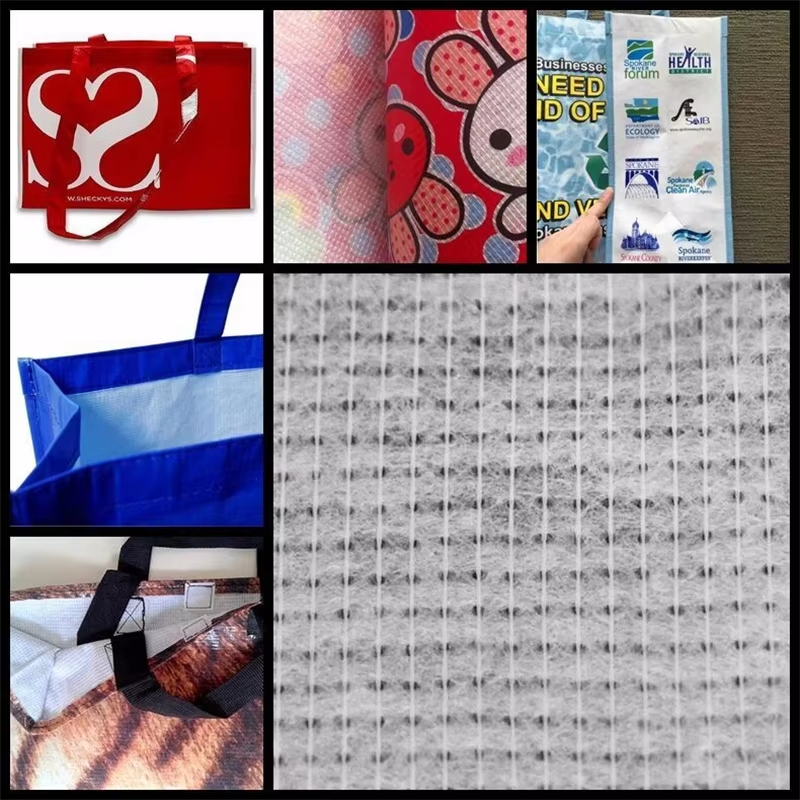
As industries demand stronger, more durable nonwoven materials, stitchbond nonwoven fabric has become a preferred solution for applications requiring reinforcement, stability, and cost efficiency.
Compared with traditional nonwoven fabrics, stitchbond fabric combines fiber web formation with stitching reinforcement technology, resulting in exceptional tensile strength and dimensional stability.
If you are sourcing from a reliable stitchbond nonwoven manufacturer, this guide will help you understand materials, advantages, and key applications.
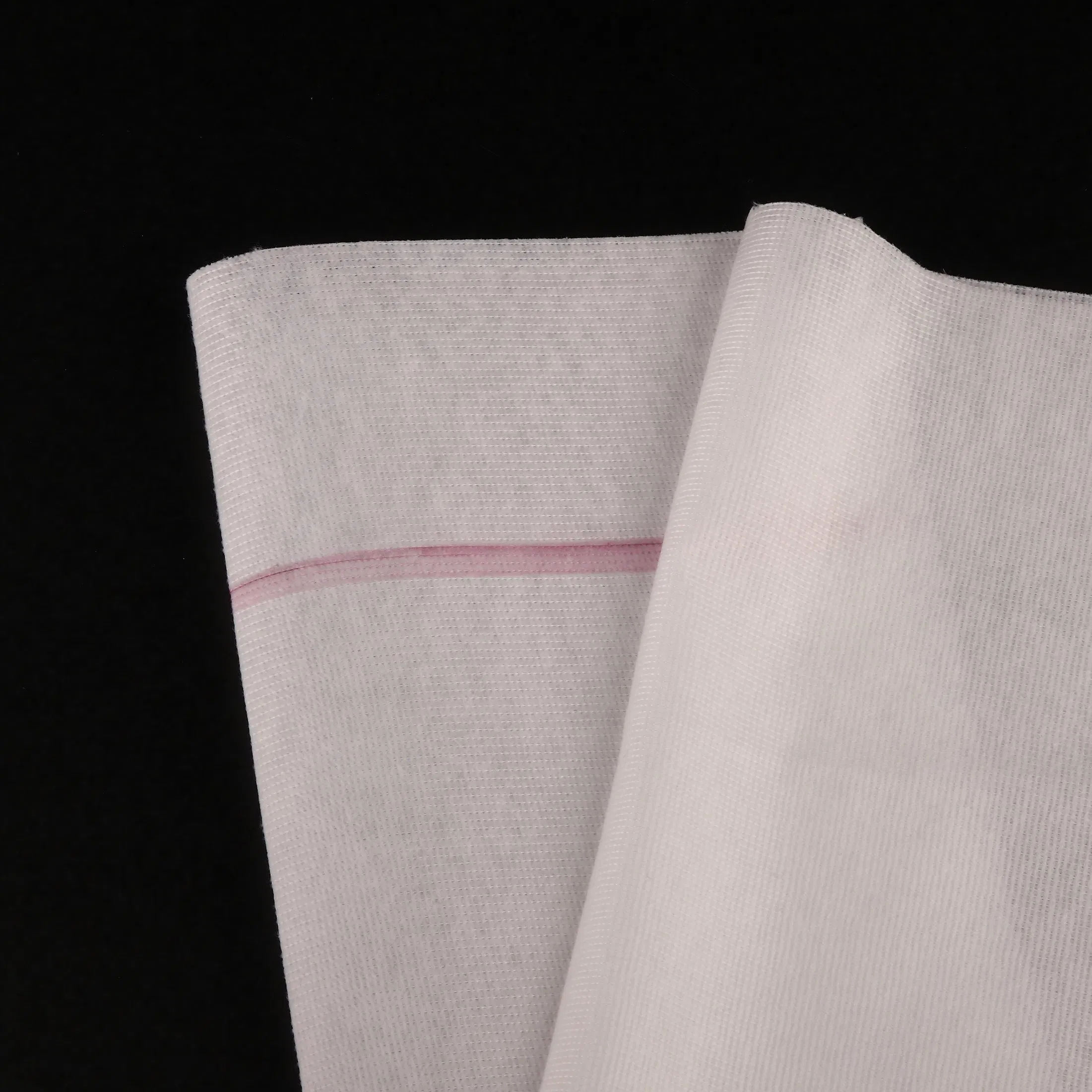
What Is Stitchbond Nonwoven Fabric?
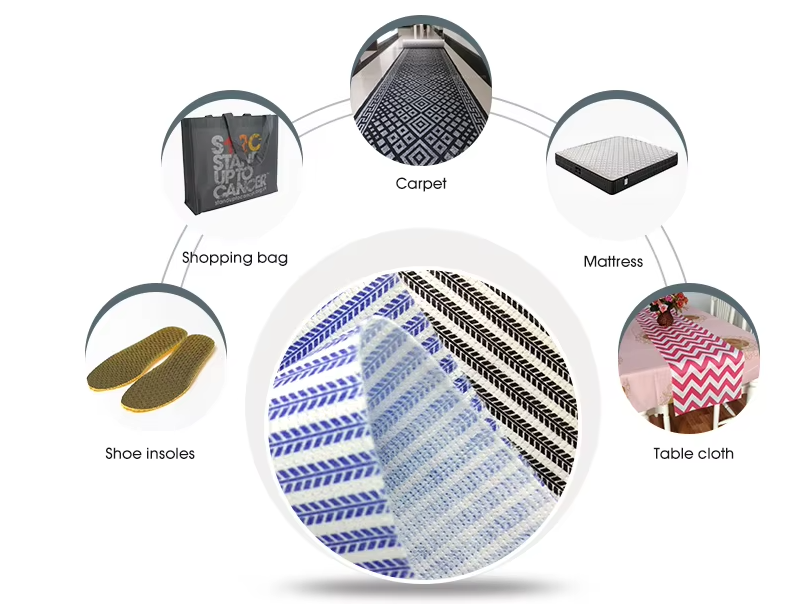
Stitchbond nonwoven is a fabric produced by bonding fiber webs using stitching yarns rather than thermal bonding or chemical bonding.
The production process includes:
-
Fiber web formation
-
Mechanical stitching reinforcement
-
Optional coating or finishing treatment
This stitching structure provides higher mechanical strength compared to standard spunbond or needle punch fabrics.
Key Advantages of Stitchbond Fabric
1. High Tensile Strength
The stitched reinforcement significantly improves:
-
Tear resistance
-
Load-bearing capacity
-
Dimensional stability
This makes stitchbond nonwoven ideal for industrial and construction use.
2. Excellent Durability
Unlike lightweight nonwovens, polyester stitchbond fabric offers:
-
Long service life
-
Resistance to stretching
-
Structural integrity under stress
3. Breathability & Flexibility
Despite its strength, stitchbond fabric maintains good air permeability, making it suitable for:
-
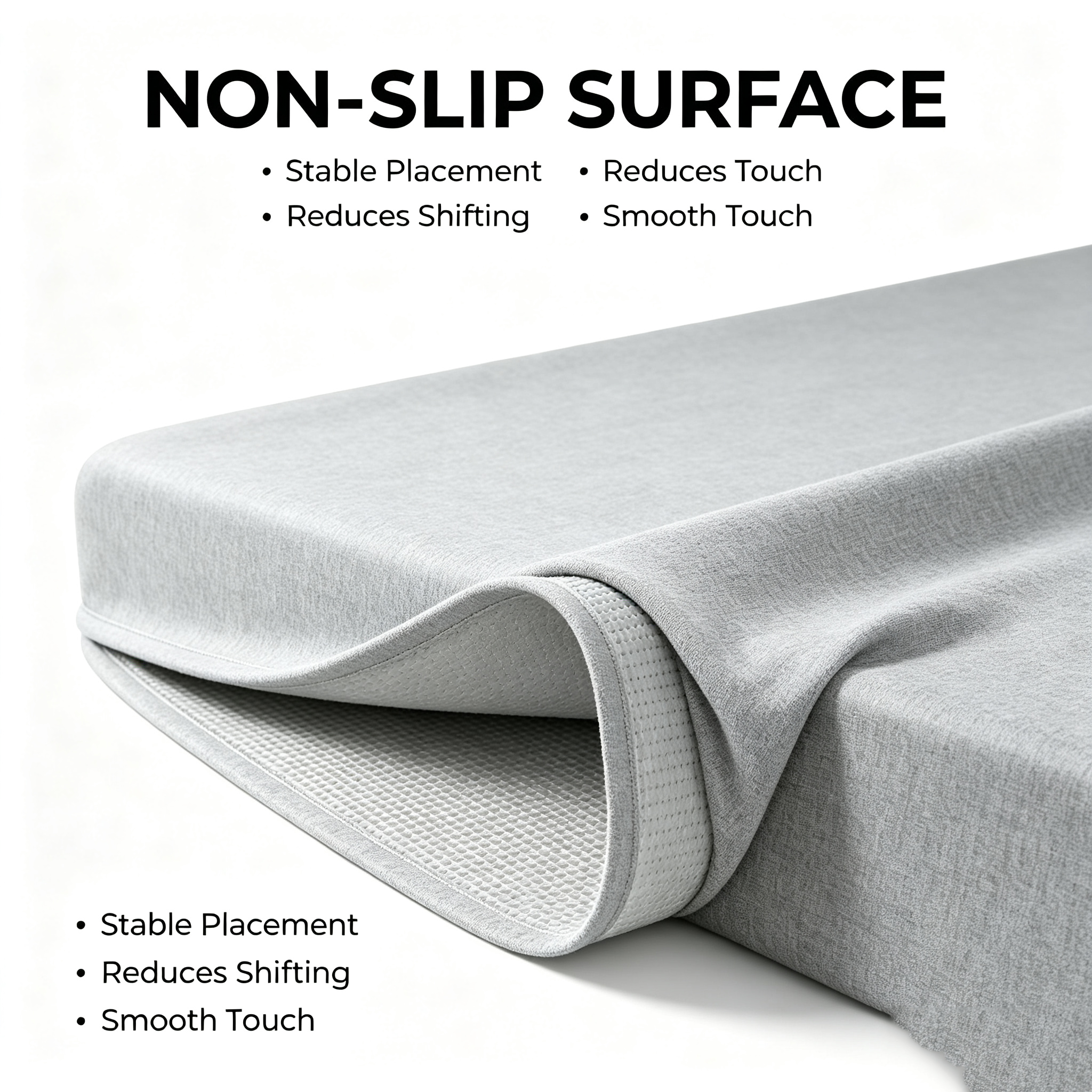
Mattress covers
-
Furniture backing
-
Roofing underlayment
4. Cost-Effective Reinforced Material
Compared to woven textiles, stitchbond nonwoven provides:
-
Lower production cost
-
Faster manufacturing
-
Flexible GSM options
This balance of strength and price makes it attractive for bulk buyers.
Main Applications of Stitchbond Nonwoven Fabric
Construction Industry
Stitchbond fabric is widely used in:
-
Roofing membranes
-
House wrap
-
Insulation reinforcement layers
-
Wall lining materials
Its strength and dimensional stability ensure long-term structural performance.

Mattress & Furniture Industry
Polyester stitchbond fabric is commonly used for:
-
Mattress bottom cloth
-
Sofa lining
-
Upholstery backing
It provides reinforcement while maintaining flexibility.
Automotive Industry
Used in:
-
Interior lining
-
Reinforcement materials
-
Trunk lining fabric
The durable structure withstands mechanical stress.
Geotextile & Industrial Packaging
Stitchbond nonwoven fabric performs well in:
-
Protective wrapping
-
Industrial covers
-
Agricultural ground cover
Polyester vs Polypropylene Stitchbond Fabric
Polyester Stitchbond Fabric
-
Higher tensile strength
-
Better heat resistance
-
More suitable for heavy-duty applications
Polypropylene Stitchbond Fabric
-
Lightweight
-
Cost-effective
-
Ideal for light industrial use
Material selection depends on load requirements and environmental exposure.
Technical Specifications Buyers Should Consider
When sourcing stitchbond nonwoven, check:
-
GSM range (typically 60–300gsm or higher)
-
Width options
-
Tensile strength data
-
Stitch density
-
Surface treatment (laminated, coated, UV resistant)
A professional stitchbond nonwoven manufacturer should provide technical data sheets and testing reports.
Custom Stitchbond Fabric Solutions
OEM customization may include:
-
Custom width & roll length
-
Flame-retardant treatment
-
Water-resistant coating
-
UV stabilization
-
Color customization
-
Slitting & cutting services
Custom engineering ensures your stitchbond fabric meets industry standards.
Why Global Buyers Choose Stitchbond Nonwoven
With increasing demand for reinforced nonwoven materials, stitchbond fabric provides:
-
High mechanical strength
-
Stable structure
-
Versatile applications
-
Competitive manufacturing cost
Its adaptability makes it a preferred solution for construction, bedding, and industrial markets worldwide.
Frequently Asked Questions
Is stitchbond fabric stronger than spunbond?
Yes, due to stitched reinforcement, stitchbond nonwoven typically offers higher tensile strength.
Can stitchbond fabric be waterproof?
It can be laminated or coated to achieve water resistance.
Is stitchbond nonwoven suitable for roofing?
Yes, polyester stitchbond fabric is widely used in roofing underlayment systems.
Conclusion: Source High-Strength Stitchbond Nonwoven from a Reliable Manufacturer
If your business requires durable and reinforced nonwoven materials, stitchbond nonwoven fabric is a cost-effective and reliable solution.
From construction to furniture manufacturing, stitchbond fabric delivers performance, strength, and customization flexibility.
Contact us today for bulk pricing, samples, and technical specifications.
👉 Request a Quote for Stitchbond Nonwoven Fabric